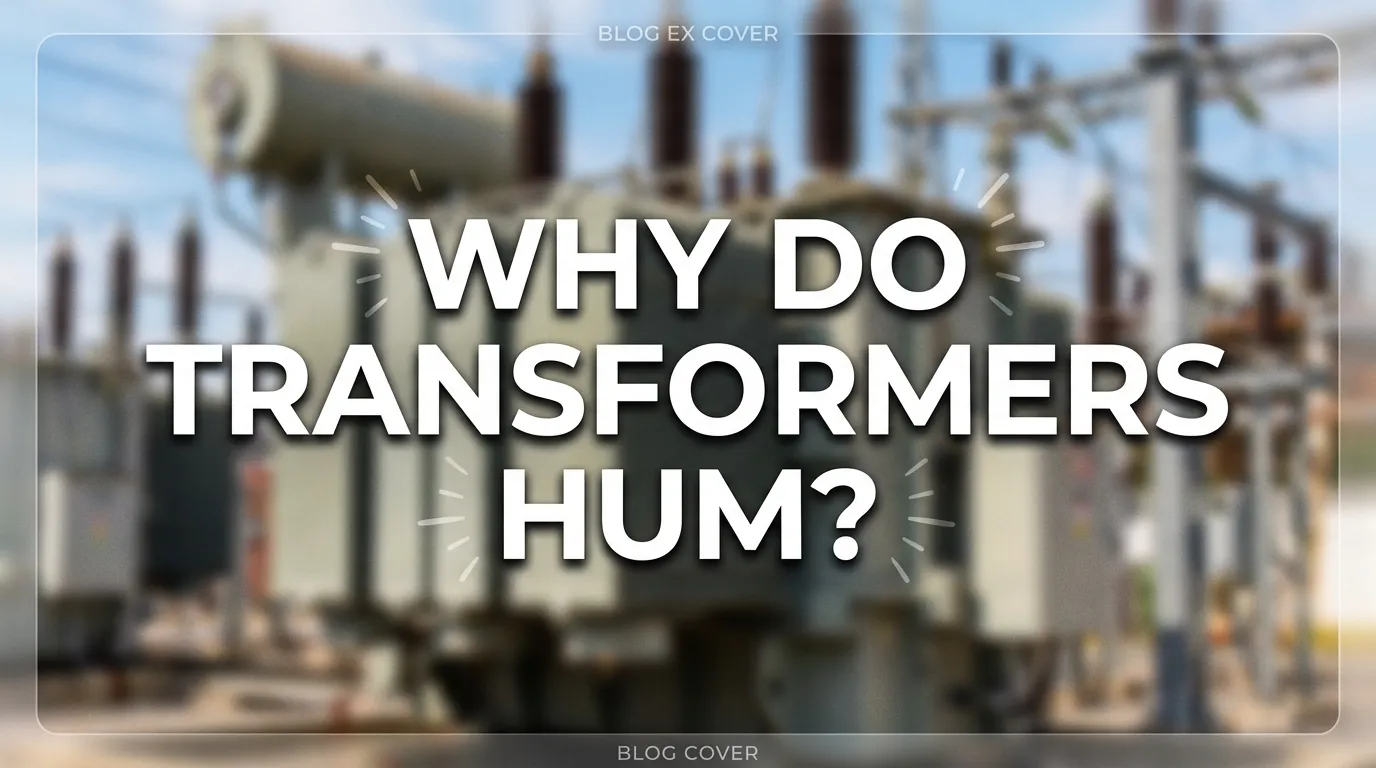
When you walk by a neighborhood power transformer or use a step-down transformer for your imported appliance, you may hear that low steady hum that comes from the transformer. This is normal and is a result of how transformers operate, but many wonder—is it normal? Is it safe? And why does it seem to be louder at night? In this guide, we will explore what causes the transformer hum, some common causes for the hum, when to expect it to be an issue and how to reduce the noise generated from transformers as well as answer some common questions regarding this widely spread phenomenon associated with electricity.
What is Transformer Hum? How Does the Buzz Come From?
Every transformer contains a metal core typically of iron that is surrounded by windings made of copper. The flow of alternating current (AC) through these windings produces an alternating magnetic field in the metal core. The magnetic field, due to its changing characteristics, causes the individual atoms of iron in the metal core to vibrate (this process is referred to as magnetostriction). Consequently, as each atom of the core vibrates, the movement causes a vibration of the core and all other adjacent hardware, which generates the low-frequency hum that we can hear.
While magnetostriction is responsible for transformer hum, there are several additional factors that can enhance or change the sound of the transformer:
- Loose Hardware: Any loose screws, bolts, or core laminations on the transformer can also vibrate from the magnetostriction and create an additional level of noise and/or rattle from their independent vibrations.
- High Loads or Voltage Surges: If a transformer is overloaded by having more load than the nameplate rating, or there are spikes of voltage, the magnetic field will produce a much larger magnetic field than normal causing both higher vibrations of the core and the resulting increased noise levels.
- Cooling System Problems: Many larger transformers have fans or oil pumps that are also a part of cooling systems. Such fans can be a source of additional noise due to unbalanced fan blades, failing motor bearings, and fan blade assemblies that can unbalance. Mechanical noise from worn bearings or dirty fans can contribute to magnetic humming.
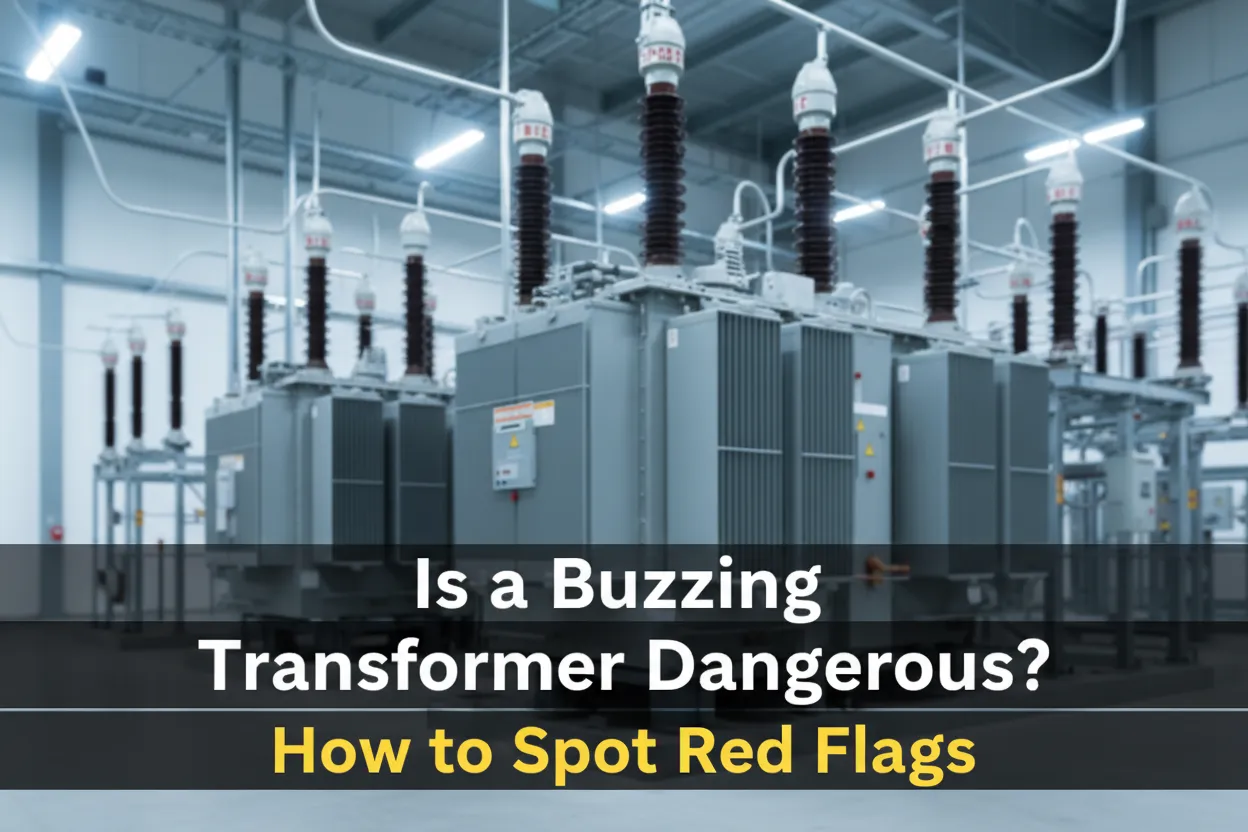
Is a Buzzing Transformer Dangerous? How to Spot Red Flags
Most hum in transformers is innocuous and indicates normal operation. If you experience a sudden change in sound, it may be an indication of an issue that needs attention immediately. The following table will help you distinguish between normal and abnormal noises:
| Noise Type | Description | Safety Risk | Recommended Action |
|---|---|---|---|
| Normal Hum | Low, steady, consistent buzz | None | No action needed |
| Louder than normal Buzz | Sudden increase in volume with no apparent cause | Low to Medium | Check for devices nearby that may be pulling too much current from the circuit; contact your electrician if the noise continues |
| Sharp Rattle or Crackle | Metallic, irregular noise or popping sounds | Medium to High | Turn off the transformer and seek professional assistance if it is safe to do so—possible indication of loose or burnt-out parts or insulation failure |
| Hum Accompanied by Smoke & Burning Odor | Buzzing sound, smoking, and a burnt odor | High | Leave the premises and call the fire department for assistance—significant risk of fire |
Why Do Transformers Hum More at Night?
Increased noise from power transformers at night is common; you are not imagining it. There are two primary causes for a transformer to hum at night:
- Less Background Noise: There are usually fewer people on the streets or appliances operating during the night than during the day, making it easier to hear the humming sound produced by the transformer, as it is the only sound you can hear.
- Changes in Grid Load: Generally, less power is used at night than during the day, so there will usually be lower voltage supplied to the grid at night. The higher voltage provided at night causes the transformer’s magnetic field to be stronger and will result in greater core vibration and noise from the transformer.
How to Reduce Transformer Humming
If the transformer noise is annoying, or if the transformer does not cause a lot of noise from the outside, below are ways to minimize the noise associated with the transformer:
Use a Vibration Dampener: Use rubber or foam pads as a vibration dampener. Place them directly under the transformer to prevent any vibrations from transmitting to the floor or wall. RS Components has designed many products available to use as a vibration dampener. They have developed transformer isolation pads specifically designed for this purpose.
Utilize a Sound-Proof Box: A sound-proof box is a custom-built soundproof enclosure or can be manufactured pre-fabricated. Soundproof boxes can reduce the amount of noise generated by the transformer by up to 50%. When designing a soundproof box for a transformer, proper ventilation is required to prevent overheating.
Tighten Loose Hardware: If the transformer is a small transformer, turn off power and carefully tighten any easily accessible screws or bolts causing the transformer to rattle. Refer to the manufacturer’s manual for information regarding disassembly and repair of the unit.
Minimize Load: If the transformer is running at full capacity, turn off all non-essential devices to reduce the electrical load and lower noise levels.
FAQ: Frequently Asked Questions About Transformer Humming
Is A Humming Sound From A Transformer Normal?
Yes! Transformers will generally produce a low, steady humming sound, so it is normal to be expected from transformers. A humming sound is expected when transformers are working properly; the transformers are performing their function and generating a voltage differential by utilizing a magnetic field.
Is there a way to stop the humming from a transformer?
It isn’t possible to completely eliminate transformers hums, but you can take measures (such as soundproof enclosures) to reduce the amount of noise produced. Another method is to install vibration dampening devices and to tighten any loose hardware. If you are using a large transformer, you can contact your power provider, who will be able to provide or install modifications to minimize noise issues.
What’s the reason for some transformers being noisy?
Every transformer generates some noise as a result of a phenomenon called magnetostrictive noise. Other reasons for increased noise are mechanical failures caused by loose parts, overload situations, and/or cooling problems. In addition, cheap transformers may create a high level of noise due to a lack of quality control during manufacturing.
What does a transformer hum sound like?
The technical name for a transformer hum is magnetostrictive noise, but you may hear people refer to it as either transformer hum or electrical buzzing.
When does a transformer hum affect health?
For the majority of people, the normal frequency and volume of transformer hum do not present a health risk. However, if an individual experiences a constant loud abnormal humming sound from a transformer, they may experience negative health effects, such as increased stress and sleep disturbance.
What is the lifespan of a transformer?
With proper maintenance, a good-quality transformer can last anywhere from 20 to 40 years. Periodic inspections are essential for making the necessary repairs, cleaning or repairing the cooling system, and checking for overloaded conditions which will, in turn, prolong the transformer life, reduce any noise created by the unit and allow the transformer to operate as intended.
Transformer hum is a natural by-product of the magnetic process that is used to safely and efficiently transfer electricity. If you hear a steady rhythm of buzzing from your transformer, it indicates that your transformer is on the job. However, if there are any fluctuations in the sound or irregular/rattling/crackling sounds being produced, you should call a licensed electrical contractor or your electrical provider to ensure that your transformer is running safely and efficiently. If you are experiencing any abnormal humming, you should consult a licensed electrical contractor or your local electrical provider to make sure your transformer is operating in a safe, reliable manner and to take action to reduce noise levels.