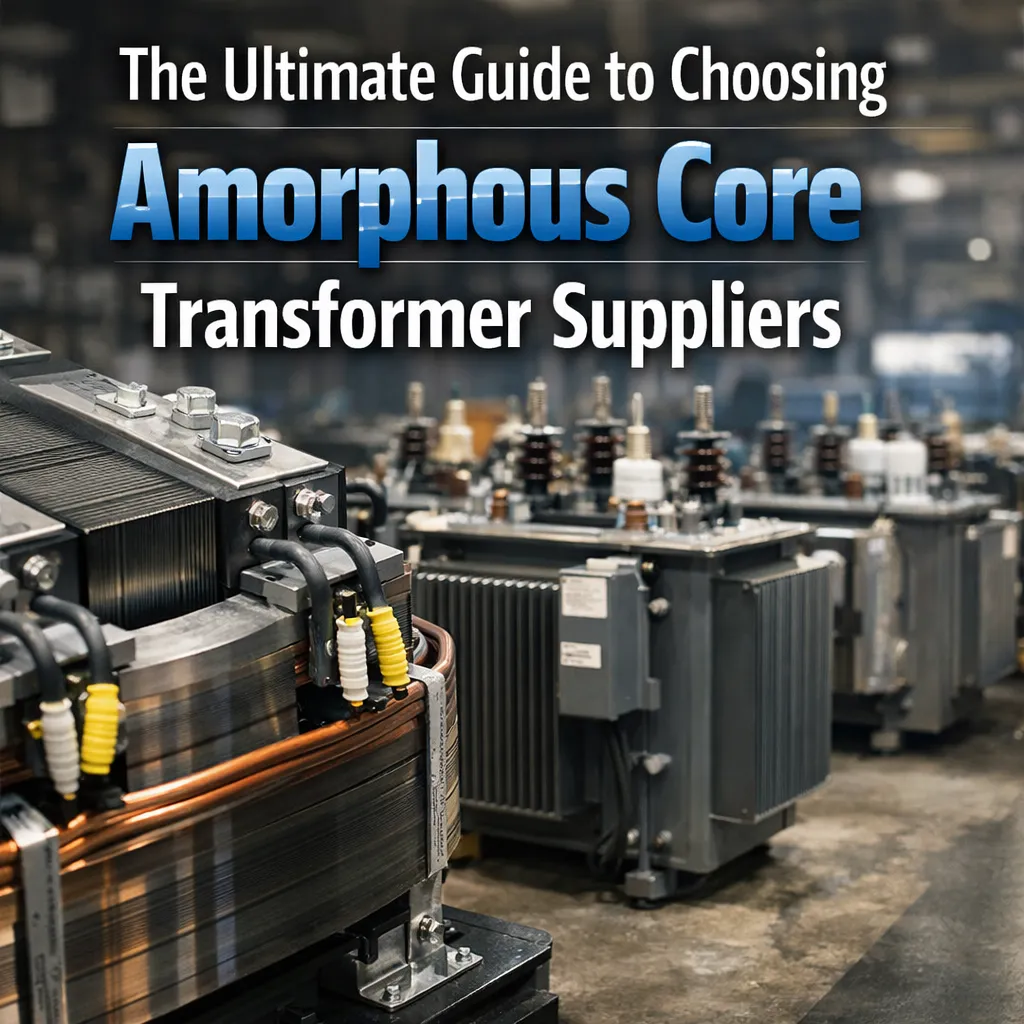
Utility companies and industrial facilities have to cut down on losses (losses of power through the electrical grid) as the demand for energy increases worldwide and as regulations for the environment become stricter. One of the most successful ways to cut those losses is to replace existing transformers with amorphous core transformers (most efficient, and less wasted energy). These new units, which use a non-crystalline form of silicon (amorphous silicon), can reduce the no-load loss from a traditional transformer between 30 and 70 percent, which means they will revolutionize how power is distributed by utility companies and industrial facilities.
However, when purchasing an advanced electrical component like an amorphous core transformer, there are various factors to consider before making a decision. There are numerous amorphous core transformer suppliers in the market; some are large multinational corporations and others are more efficient manufacturers who sell directly from their factory. This guide outlines the top first-class transformer manufacturers and covers pricing and uses as well as answers the most typical questions buyers have before they invest.
Top Manufacturers and Suppliers of Amorphous Core Transformers – Overview of the Market
The appropriate manufacturing partner should be based on your project’s size, budget, and the specific requirements for technology. Here is a list of leading players in the market today:
1. Hitachi Energy
Application: Major utility grids and renewable integration.
Company Highlights: Hitachi Energy was one of the original pioneers in producing amorphous metal technology. Their distribution transformers have outstanding reliability and state-of-the-art integration into today’s advanced smart grids.
Applications: National Power Grids and large-scale wind and solar farms, as well as very heavy industrial applications.
Cost: $$$$ (High-cost reflects the company’s considerable research and development efforts and its worldwide reputation).
2. Siemens Energy
Application: High-efficiency industrial power and smart infrastructure.
Company Highlights: Siemens offers the most ruggedly constructed transformers in the industry that can withstand the most severe environments and do so with less impact on the planet. They are commonly used as a partner for complex engineering projects.
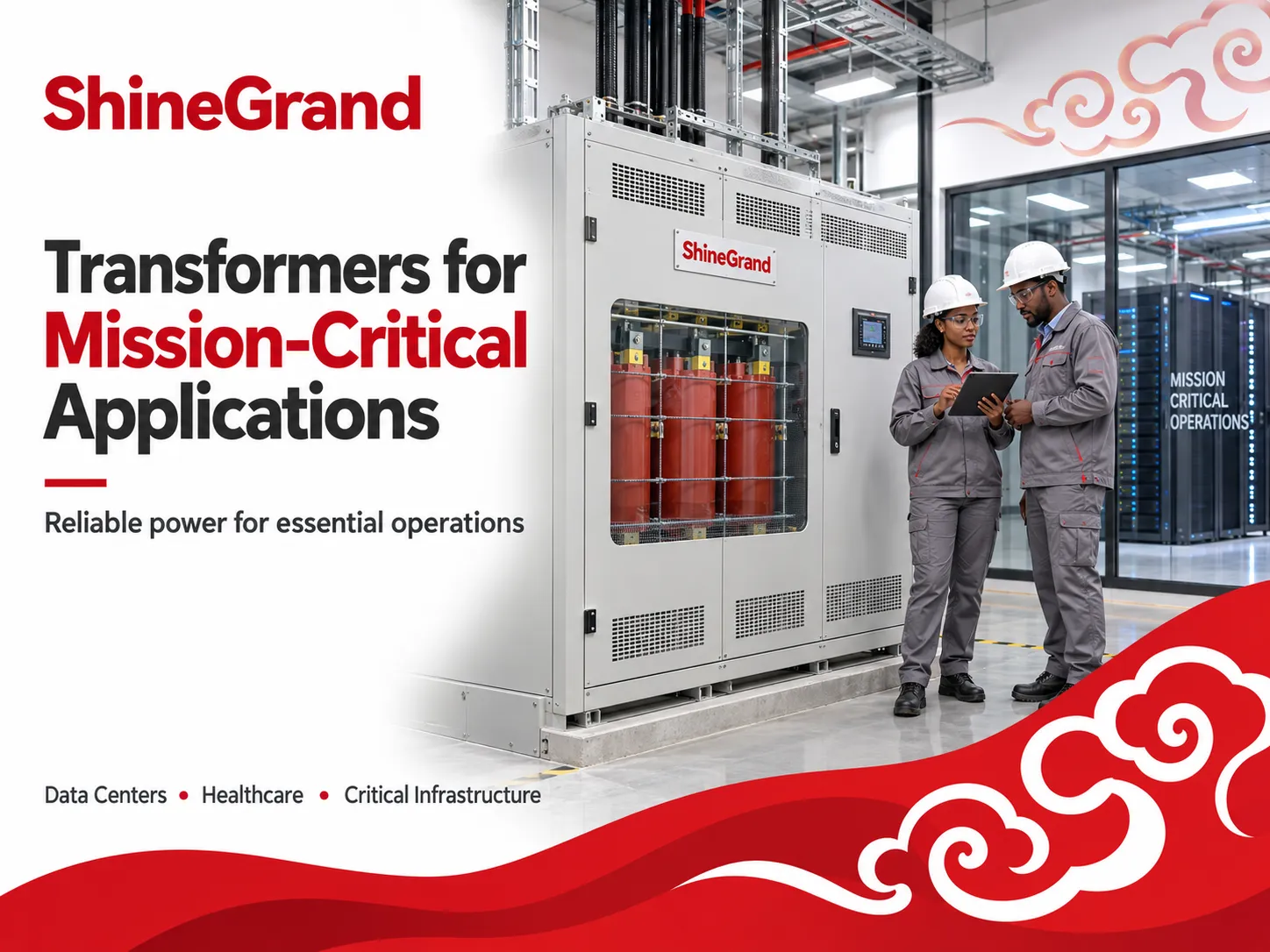
Applications: Data centers, petrochemical plants, and urban infrastructure.
Cost: $$$$ (High-end tier with excellent global support networks).
3. CG Power and Industrial Solutions
Application: Emerging markets and many commercial applications.
Company Highlights: CG Power offers a solid balance between performance and price. With strong presence in Asia and Europe, CG Power provides reliable, eco-friendly distribution transformers for standard utility applications.
Applications: Rural electrification, commercial properties, and light manufacturing.
Cost: $$$ (Mid-tier pricing that ensures value).
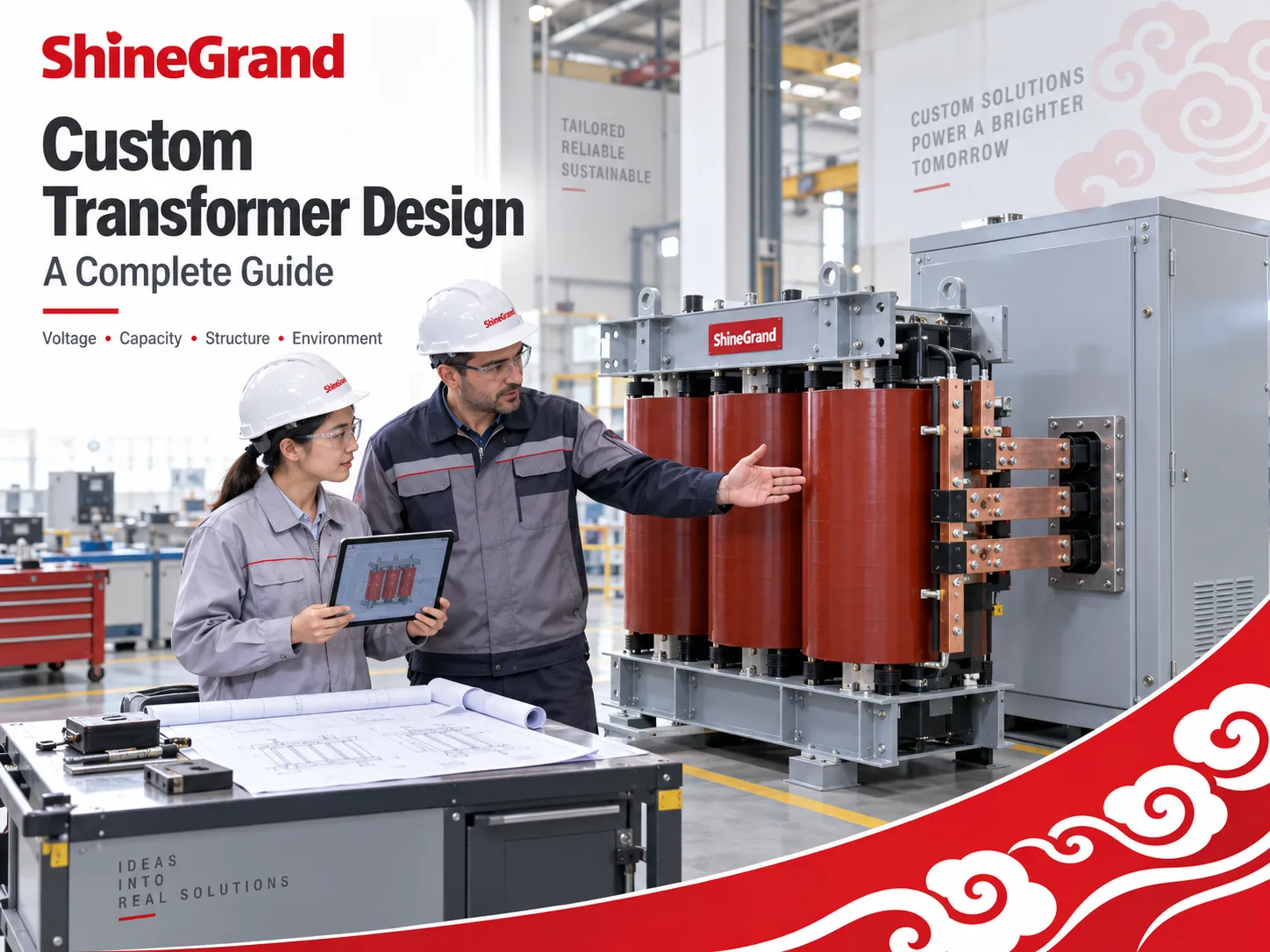
4. Shinegrand Electric Co., Ltd. (Factory Direct)
Application: Cost-effective, customer-customized power transmission and distribution equipment.
Company Highlights: Shinegrand offers a competitive alternative to legacy brands by providing certified quality at a reduced price. As a direct factory supplier, they ensure stable supply chains, consistent quality, and on-time delivery for products that meet international standards. Their product line includes transformers, high and low voltage switchgears, box-type substations, circuit breakers, disconnectors, fuses, and lightning arresters.
Applications: Utility upgrades, commercial facilities, and localized power distribution networks requiring OEM & ODM services.
Cost: $$ (Cost-effective pricing with certified, high-quality products).
How to Choose the Right Supplier for Your Project
In selecting a supplier, procurement managers should consider many factors in addition to brand names:
- Lead Times: Amorphous metal has a much different working process compared to standard steel. Ensure your supplier has a stable supply chain for raw materials to help avoid delays in your projects.
- Customizations: Can the manufacturer modify KVA ratings, enclosure types, and voltage specs to meet your specific grid requirements?
- Certifications: Verify that the supplier has the appropriate international quality/safety certifications (ISO, CE, UL) to ensure safety/performance of the product long term.
Common Questions (FAQ)
What is an amorphous transformer core?
Amorphous transformer cores are made from unique alloys cooled so rapidly during manufacture that the alloy is unable to form crystalline structures. The resulting atomic structure is random/non-crystalline (amorphous). The structure of an amorphous transformer allows for magnetization and demagnetization of the core with minimal friction, resulting in efficient magnetic properties.
What is the difference between amorphous and CRGO transformers?
CRGO is the conventional material used for transformer cores and has a crystalline structure. The major distinction between the two transformers is energy efficiency: Amorphous transformers can reduce “no-load losses” (energy lost as heat when power is applied to the transformer but it is not supplying power) by as much as 70% when compared to standard CRGO transformers. Additionally, CRGO transformers are typically easier to manufacture and handle than amorphous transformers.
What are the three types of transformer cores?
There are many sub-variations of transformer cores, but there are three main materials used in manufacturing transformer cores:
- Solid Iron/Silicon Steel (CRGO): Most commonly used for standard power and distribution transformers.
- Amorphous Metal: Used in high-efficiency eco-friendly power distribution to reduce standby losses.
- Ferrite Cores: Primarily made from ceramic compounds and typically used in higher-frequency applications like switch-mode power supply or electronic circuits, rather than heavy-duty utility power.
What are the disadvantages of amorphous cores?
While they offer high efficiency, amorphous cores are not perfect. The amorphous metal ribbon is very thin, brittle, and hard to cut/assemble, making them challenging to manufacture and therefore more expensive initially. Furthermore, the amorphous materials have lower saturation flux density than standard CRGO steel; therefore, larger and heavier cores have to be designed to handle similar amounts of power, which results in a slightly larger overall footprint for the transformer.
Investing in energy-efficient electrical infrastructure is no longer just a market opportunity; it’s now a financial mandate. Understanding the principal distinctions between traditional CRGO and advanced amorphous transformer technologies can lead buyers to make choices that will significantly reduce long-term operating expenses. By utilizing either the vast global supply chains of legacy brands or the cost-effective and certified, factory-direct benefits of a qualified Amorphous Core Transformer Supplier such as Shinegrand Electric, prioritizing quality, material traceability, and the ability to manufacture will guarantee the reliability and efficiency of your future power distribution systems.