Whether you are an electrician addressing power grid issues or a homeowner attempting to run a 220V appliance from a 110V outlet, understanding the fundamentals of voltage transformers is essential. A voltage transformer (VT) is a specific type of electrical device designed to modify alternating current (AC) voltage levels, either increasing or reducing them, while ensuring safe power flow. VTs are commonly utilized in power distribution, manufacturing processes, and residential setups to deliver the exact voltage required for devices to function properly and avoid potential damage. This guide delves into voltage transformer operation principles, types, maintenance tips, leading manufacturers, pricing, and frequently asked questions surrounding VTs.
What Is a Voltage Transformer? Core Definition & Primary Applications
A voltage transformer is an electromagnetic device engineered to either reduce high-voltage AC to low-voltage AC or amplify it in the reverse direction, ensuring device protection and compatibility. Key applications include:
Power Distribution: Stepping up voltage for long-distance electricity transmission to minimize energy loss, or stepping down voltage for use in residential and commercial settings.
Electrical Safety: Electrically isolating high-voltage circuits from low-voltage control systems, thereby safeguarding personnel and equipment.
Device Compatibility: Converting voltage levels (e.g., 110V to 220V or vice versa) for international travel or to operate imported appliances safely.
Measurement & Monitoring: Providing accurate low-voltage signals for voltmeters, energy meters, and protective relay systems in power grids.
Voltage Transformer Operating Principle: How It Works
The operation of a voltage transformer is grounded in electromagnetic induction. It involves transferring voltage between two coils through the following process:
- Primary Coil: Connected to the input voltage source, generating a magnetic field when AC flows through it.
- Iron Core: Directs and intensifies the magnetic field, transmitting energy to the secondary coil.
- Secondary Coil: Produces a voltage proportional to its number of wire turns compared to the primary coil. For instance, a 110V to 220V transformer has twice as many turns in its secondary coil, doubling the voltage output.
Unlike typical power transformers, voltage transformers are designed for minimal load operation, thus ensuring precise voltage readings for monitoring applications.
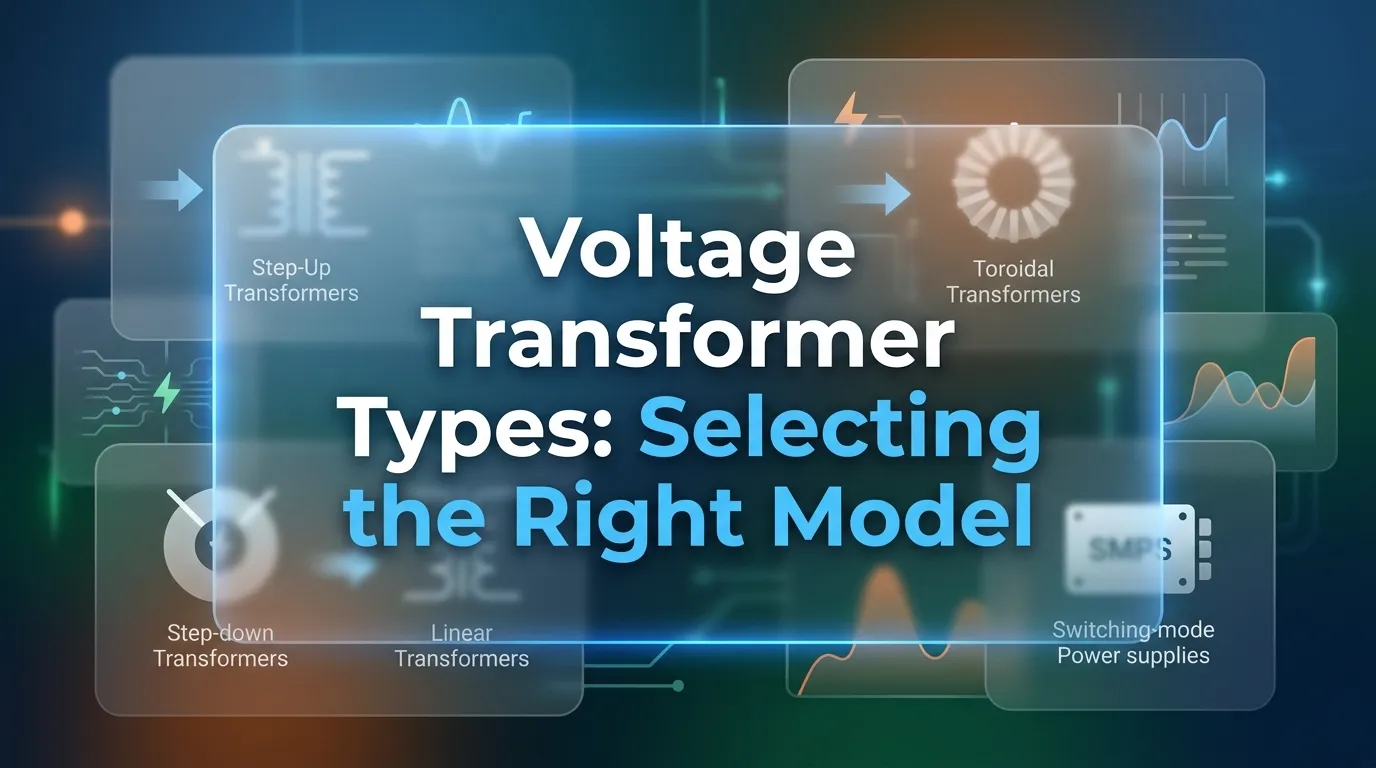
Voltage Transformer Types: Selecting the Right Model
Voltage transformers are primarily categorized based on their design and usage:
Step-Up vs. Step-Down Voltage Transformers
- Step-Up Transformers: Increase voltage (e.g., from 110V to 220V) to power high-voltage equipment or facilitate long-distance energy transmission.
- Step-Down Transformers: Decrease voltage (e.g., from 220V to 110V) for safe operation of residential or low-voltage devices.
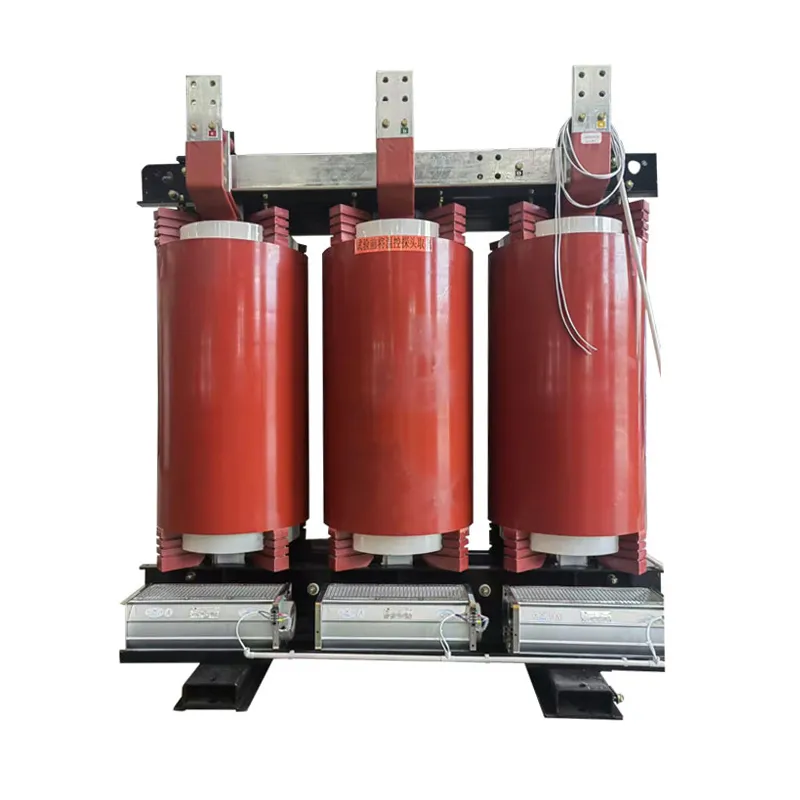
Instrument vs. Power Transformers
- Instrument Voltage Transformers (VT): Ensure precision for voltage measurement and protection by providing accurate low-voltage signals to meters and relays. These models are engineered for high accuracy and low power capacity.
- Power Transformers: Geared for high-power distribution, stepping up voltage at power plants for transmission and stepping it down for end users.
Key Model Comparison: Voltage Transformer (VT) vs. Current Transformer (CT)
| Feature | Voltage Transformer (VT) | Current Transformer (CT) |
|---|---|---|
| Primary Connection | Parallel to the power line | Series with the power line |
| Core Function | Step down voltage for measurement/protection | Step down current for measurement/protection |
| Load Capacity | Low (designed for negligible loads) | Low (secondary coil is short-circuited) |
| Common Use | Voltmeters, energy meters, grid monitoring | Ammeters, protective relays, motor controls |
Maintenance Tips for Voltage Transformers
Consistent maintenance can extend the lifespan and ensure the safety of voltage transformers:
- Regular Inspections: Look for loose or corroded connections, signs of oil leakage (for oil-immersed models), and structural integrity every 6 to 12 months.
- Insulation Testing: Test with a megohmmeter annually, especially if the transformer operates in humid conditions.
- Temperature Checks: Verify that the transformer operates within its designated temperature range (typically 50–100°C) to avoid overheating.
- Load Management: Ensure the transformer’s load does not exceed its rated kVA capacity to prevent damage.

Top Voltage Transformer Manufacturers & Pricing
Opting for a reputable manufacturer ensures reliability and adherence to safety standards:
Industrial & Grid-Level Voltage Transformers
- ABB: Renowned globally for its high-precision voltage transformers—accurate to ±0.1%. Prices start at $5,000 for instrument VTs and range from $50,000 to $200,000 for high-capacity power transformers.
- Siemens: Focuses on compact, energy-efficient voltage transformers suitable for industrial setups. Their dry-type designs are available at $3,000 to $150,000.
Residential & Small-Scale Voltage Transformers
- Step Down Transformers: Offers cost-effective step-up/step-down units for home applications. Prices start at $20 for compact travel models and reach $200–$500 for industrial-grade transformers.
- Fellowes: Manufactures safe, compact transformers with surge protection. Their 1,000W step-up/step-down models are priced between $50 and $80.
How to Choose the Right Voltage Transformer
When selecting a voltage transformer, consider the following factors:
- Voltage Requirements: Identify the input (source) voltage and the required output (device) voltage (e.g., 110V to 220V).
- Power Capacity: Calculate total device wattage. Choose a transformer rated at least 20% higher than the total wattage to prevent overloading.
- Application Type: Opt for instrument VTs for measurement, power transformers for grid-level distribution, and step-up/step-down models for residential use.
Frequently Asked Questions About Voltage Transformers
What is a voltage transformer used for?
Voltage transformers are utilized to modify AC voltage for power distribution, device compatibility, safety, and accurate voltage measurement in industrial or grid systems.
What is the difference between VT and CT?
A voltage transformer (VT) steps down voltage while connected in parallel, whereas a current transformer (CT) steps down current while connected in series. VTs are paired with voltmeters, while CTs are used with ammeters.
How does a voltage transformer assist in power distribution?
It facilitates stepping up voltage for transmission and stepping it down for end usage, ensuring energy efficiency and device compatibility.
How do I test a voltage transformer?
Use a multimeter to check input/output voltage. For insulation testing, employ a megohmmeter to identify any potential leaks.
What are common faults in voltage transformers?
Issues include overheating, insulation breakdown, and loose connections, which can be mitigated through routine inspections and adherence to load limits.
In summary, voltage transformers are indispensable for safe, efficient power distribution and device operation across residential, industrial, and commercial settings. From stepping up voltage for long-distance transmission to stepping it down for everyday use, these devices ensure reliable energy flow. By understanding the operational principles, types, maintenance needs, and leading manufacturers of voltage transformers, you can make informed decisions that align with your specific requirements. Prominent manufacturers like ABB and Siemens cater to industrial demands, while accessible options from brands like Fellowes meet household needs, making voltage transformers an essential investment for a wide array of applications.