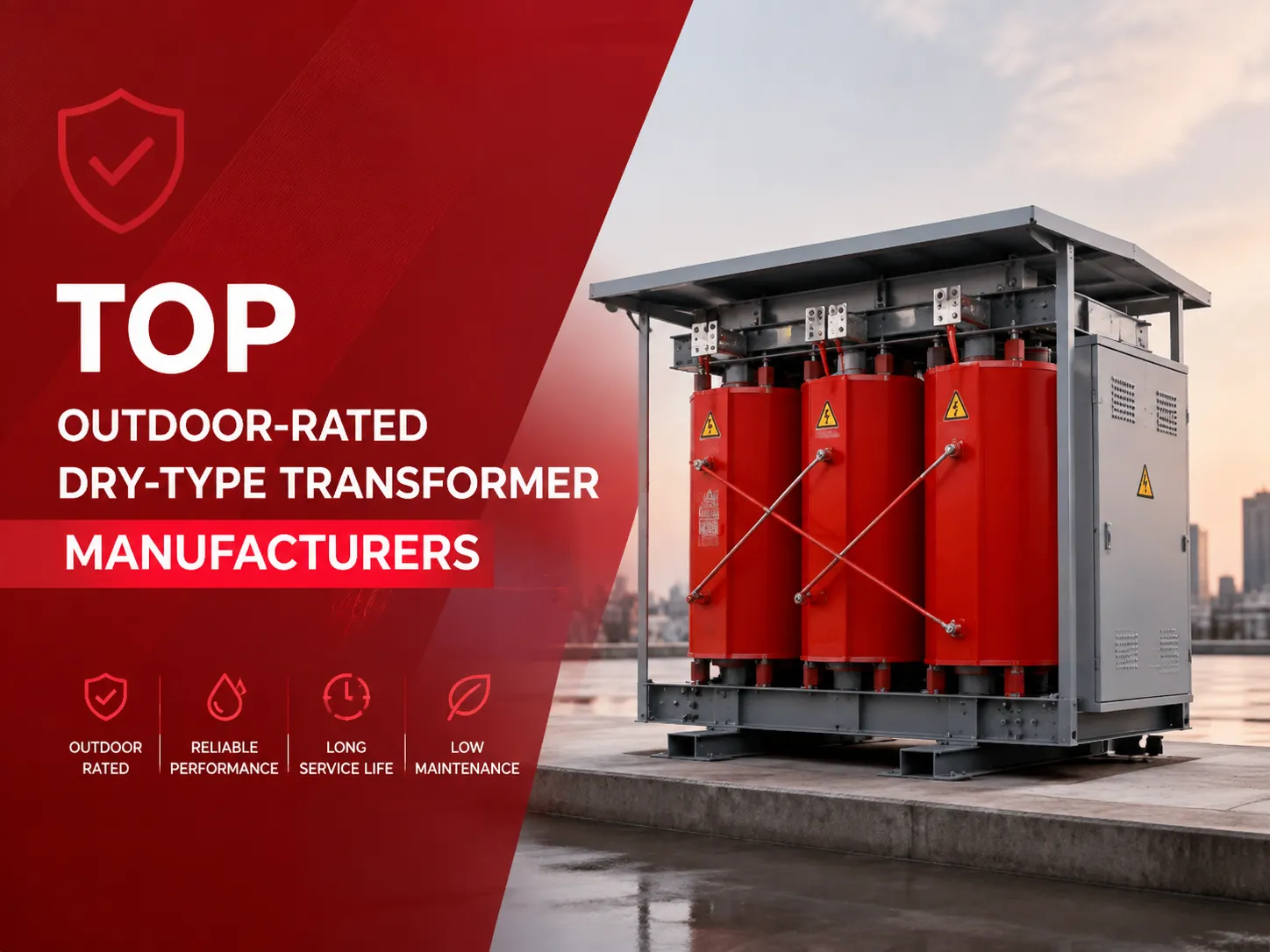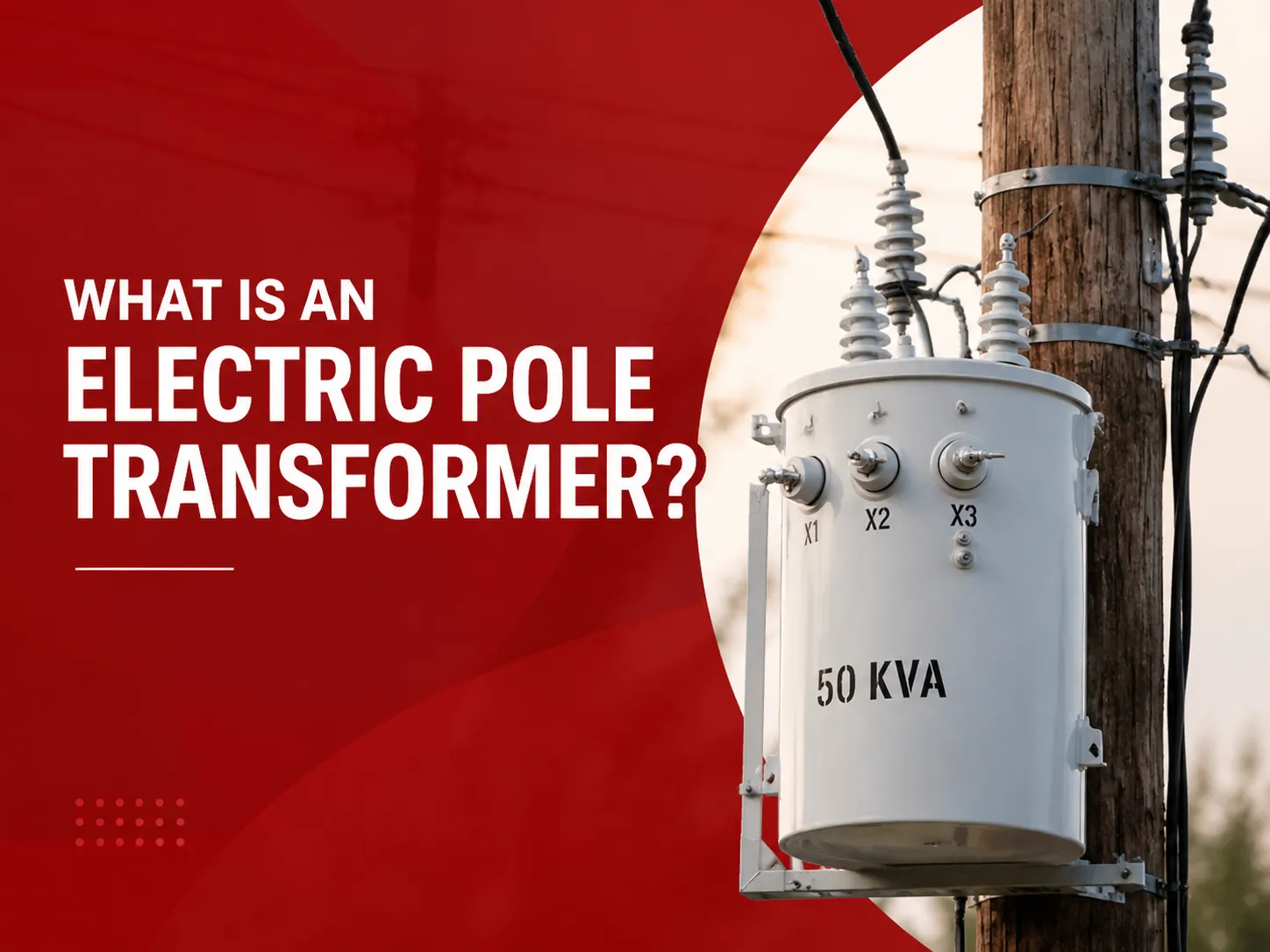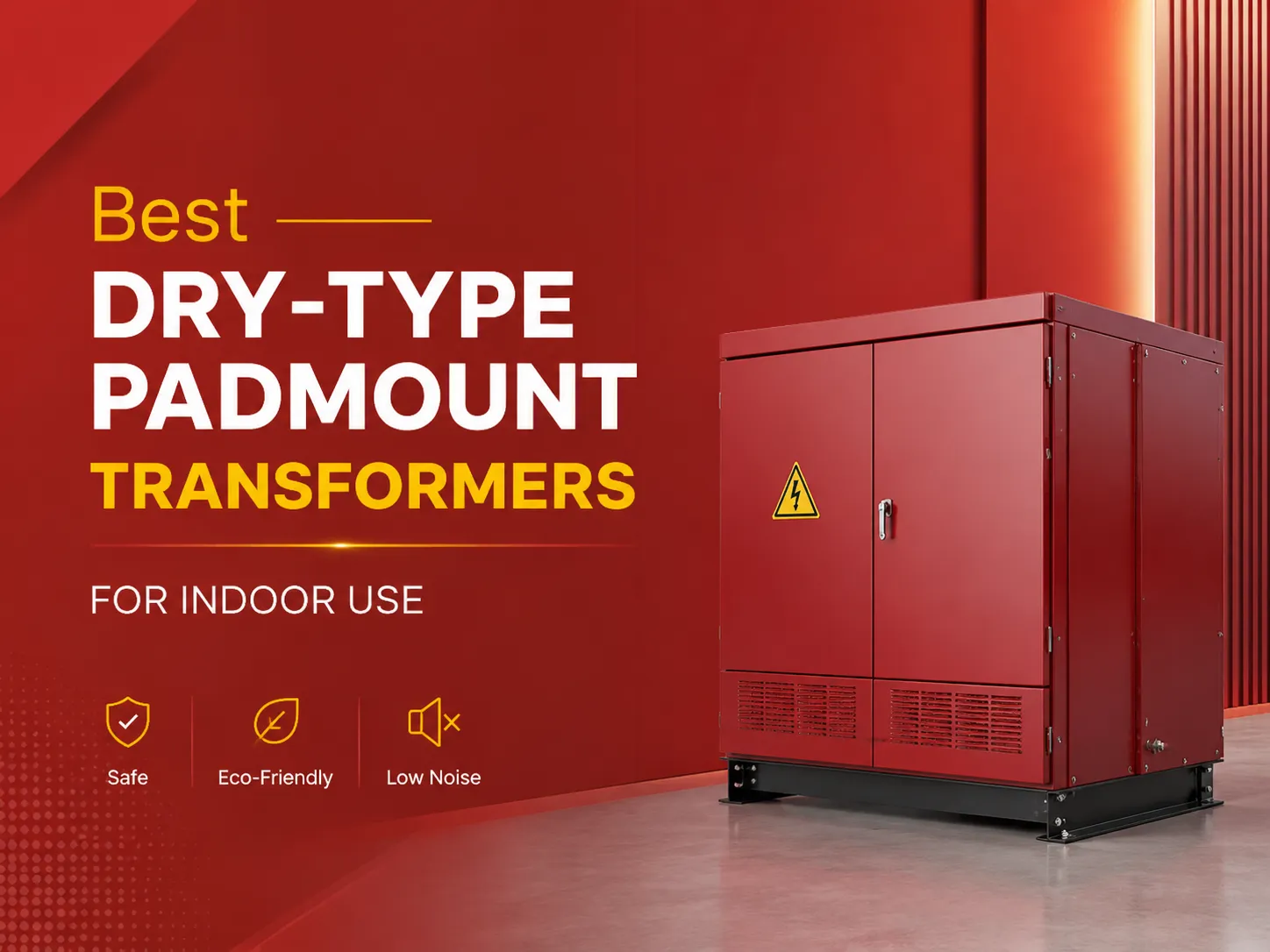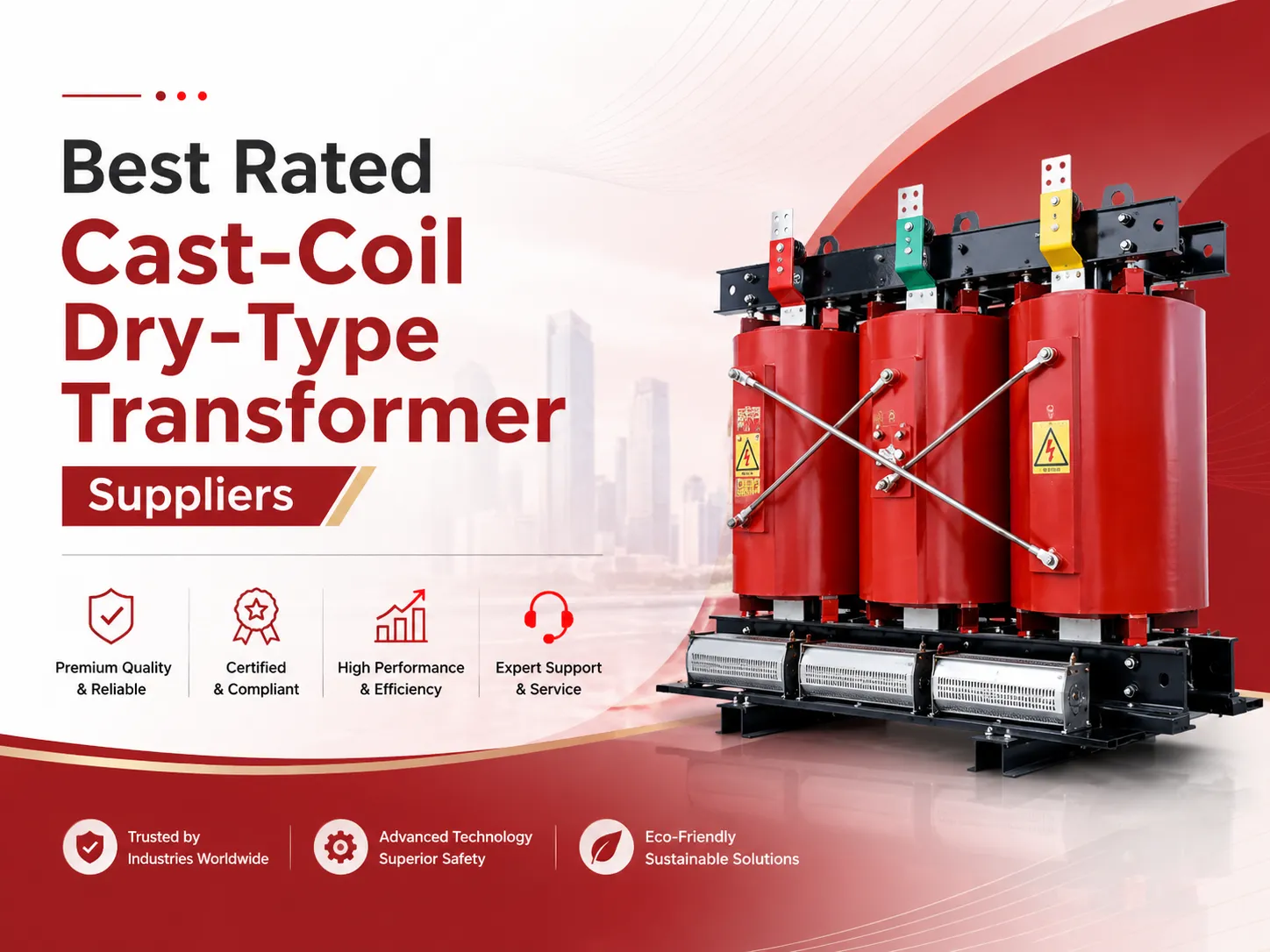
When your project calls for a cast-coil dry-type transformer, you’re not buying a commodity — you’re investing in a critical asset that will need to perform reliably for decades, often in demanding indoor environments. The supplier you choose determines not just the initial price, but the total cost of ownership: energy efficiency, maintenance downtime, and the real availability of technical support when a question arises. For electrical engineers, contractors, and facility managers, finding a best rated cast-coil dry-type transformer supplier means looking beyond glossy brochures and into manufacturing capability, certification discipline, and post-delivery support.
What Makes a Cast-Coil Dry-Type Transformer Different?
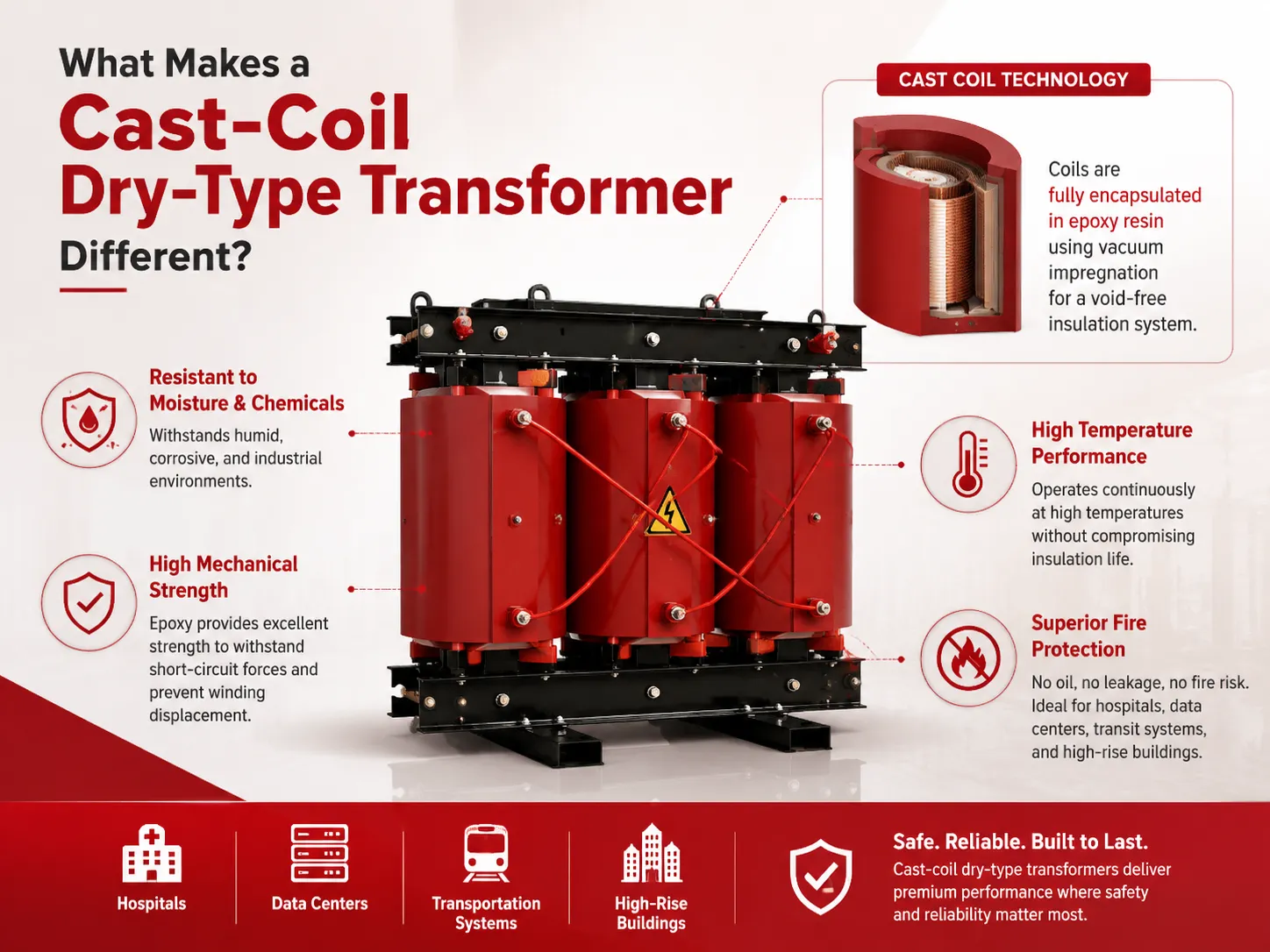
Technology using cast coils is classified as a dry-type transformer design that falls under the category of premium products. Comparable to the typical VPI (Vacuum Pressure Impregnated) type windings used in most dry type transformers, the high-voltage coils in cast coils are fully encased in a void-free complete encapsulation of epoxy resin, which has been vacuum impregnated within the coils themselves. These characteristics create several unique benefits because of the nature of the cast coil insulation system.
- The encapsulated winding has great resistance to water and chemicals, making it resistant to moisture from humid environments, as well as corrosive atmospheres and other common industrial contaminants that could damage the windings of an open wound transformer.
- Mechanical Strength is one of the key characteristics of epoxy used for windings and supports used in short circuits. The electromagnetic forces created during short-circuit events are tremendous, and therefore there is a high risk of winding displacement.
- Cast-coil units can operate continuously at high temperatures without compromising insulation life, allowing them to be used in crowded electrical rooms.
- When it comes to fire protection, cast resin transformers are the most suitable for hospitals, data centres, transportation systems, and towers and high-rise buildings with the least possible risk of smoke and fire, as cast resin transformers do not have any oil to leak or catch fire.
For a broader look at how cast-coil compares with other construction types, our overview of dry-type transformer types including cast resin and VPI breaks down the selection criteria by application.
Key Criteria for Evaluating Cast-Coil Transformer Suppliers
Not every manufacturer with a welding shop can produce a reliable cast-coil dry-type transformer. The casting process itself demands precision-controlled resin mixing, vacuum chambers large enough to accommodate the winding assemblies, and rigorous partial discharge testing to guarantee void-free encapsulation. Here’s what separates the truly best-rated suppliers from the rest:
| Evaluation Criterion | What to Verify |
|---|---|
| In-house casting capability | Does the manufacturer own its own vacuum casting plant, or does it outsource this critical step? In-house casting ensures direct quality control over resin formulation, gel time, and cure cycles. |
| Partial discharge testing | Every cast-coil winding should be individually tested for partial discharge (PD) levels below the IEC or IEEE threshold. Ask to see typical PD test reports — a best-rated supplier will provide them without hesitation. |
| Certifications | Look for ISO 9001, ISO 14001, and product-specific certifications such as UL, KEMA, or CESI. For export markets, IEC 60076-11 compliance is the baseline for dry-type transformers. |
| Reference installations | A trustworthy supplier can name facilities where their cast-coil transformers have been in continuous service for 10+ years. Data centers, metro systems, and offshore platforms are demanding reference environments. |
| After-sales and spare parts | Does the supplier maintain regional service engineers or stock critical spare parts? A cast-coil unit may need no oil sampling, but tap changers, cooling fans, and temperature controllers still require eventual attention. |
Why ShineGrand Belongs on Your Shortlist
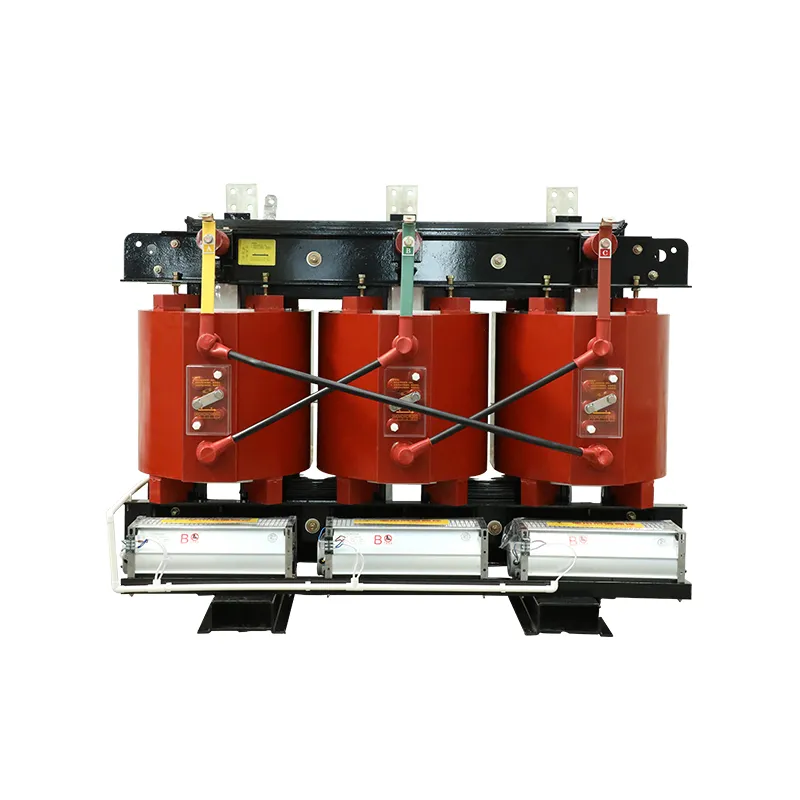
If you’re looking for the top rated manufacturers of cast-coil dry transformers, then take a look at the name. ShineGrand is a company that meets all of your requirements. Our factory has an exclusive vacuum cast line with complete control of all parameters starting at the incoming resin batch through to final cure. We can assure you that the cast-coil windings we manufacture have met the required partial discharge performance for high reliability projects. We manufacture dry-type transformers with a large variety of kVA ratings and primary voltages rated at up to 36 kV across multiple applications from commercial high-rise buildings to very heavy industrial processes.
Our client relationship is transparent. We provide complete factory test reports (PD measurements, routine dielectric testing and temperature rise data) before products leave our facility. Our engineering team collaborates with consulting engineers in the specification stage to guarantee that the transformer’s vector group, impedance and temperature class correctly match the system study. To understand how we approach a complete transformer project from specification to commissioning, our guide on how long it takes to replace a transformer illustrates the planning depth we bring to every installation.
Cast-Coil vs. Other Dry-Type Construction Methods
Cast-coil is at the top of the line for dry-type transformers but there are different winding technologies available. Instead of completely encasing the windings in epoxy, vacuum pressure impregnated (VPI) transformers have been treated with varnish. Because of this treatment, initial costs of VPI transformers is lower than that of full epoxy encapsulated transformers and can be used in clean, dry locations with moderate loads. VPI transformers do not provide the same moisture resistance and short-circuit ruggedness as cast-coil windings. If the specifications call for harsh environments, high levels of humidity, frequent operation of the transformer and/or installation in a public area with strict fire codes, the additional cost associated with cast-coil will usually be easily justified compared to the increased maintenance required when using VPI transformers. For a complete understanding of the full transformer ecosystem, including where dry-type fits relative to oil-filled units, our article on what an isolation transformer is covers the broader functional categories.
Common Sizing Pitfalls and the 80% Rule
Even the best-rated cast-coil transformer will deliver disappointing service life if it’s undersized. The 80% rule is the industry’s practical safety margin: a dry-type transformer should not be continuously loaded beyond 80% of its nameplate kVA rating. For a 500 kVA cast-coil unit, that means keeping the continuous load at or below 400 kVA. This headroom accounts for load growth, harmonic currents from non-linear loads like VFDs and UPS systems, and the simple fact that a cooler-running transformer ages more slowly. Our detailed transformer calculation table and sizing methodology are available in our guide to transformer sizing and the 80% rule.
Frequently Asked Questions
Which brand of transformer is best?
There isn’t a “best” manufacturer brand for all applications. What you are looking for is a seasoned transformer producer who has been working at your specific voltage level and your environment, will provide testing data, has a regional or local contact/support person, and as a cast-coil manufacturer utilizes vacuum casting in its processes and provides documented partial discharge measurements. ShineGrand Electric is focused exclusively on these priorities with its own casting line and complete transparency with factory testing data.
Who are the top transformer manufacturers?
Many different multinational corporations with many different products are part of the highest level of global power transformer manufacturing. Many businesses use a specialized cast-coil dry-type transformer from a dedicated manufacturer because they tend to provide better engineering support and faster lead times than a conglomerate would be able to provide. If your project involves developing a transformer that matches your company’s specifications without requiring significant costs for modifications, then your “top” supplier will be the company whose standard design comes closest to matching your specifications, as well as having experience in your industry (e.g. data centers, subway systems, etc.).
Who is the manufacturer of dry type transformer?
There are many companies that produce dry-type transformers all over the world; these companies can include large, multinational industrial organizations that have electrical divisions as well as small or medium-sized businesses, such as ShineGrand Electric who only focus on manufacturers of dry type transformers. The main difference between manufacturers is whether or not they specialize in cast-coil (CC) or vacuum pressure impregnated (VPI) technology, or both. ShineGrand produces both CC and VPI dry-type transformers; however, their primary focus is on the use of cast coil technology, supplying certified and tested dry type transformers for export to customers located throughout Asia, Africa, the Middle East, and other countries around the world.
What is the 80% rule for transformers?
According to the 80% rule, dry-type transformers (and all transformers) should not be run continuously at more than 80% of their nameplate kVA rating. For example, a 1000 kVA cast-coil transformer should only have a continuous load of 800 kVA (80%) or less. Following the 80% rule gives the transformer a buffer against insulation degradation, limits the temperature of hot spots, and allows for the addition of harmonic currents or temporary overloads. Correctly applying this rule during the specification stage is one of the easiest ways to achieve trouble-free operation for the next few decades.
Identifying the best rated cast-coil dry-type transformer suppliers is ultimately about matching your project’s technical requirements — voltage, kVA, ambient conditions, and fire safety code — with a manufacturer whose standard engineering discipline aligns with those needs. Look for in-house vacuum casting, transparent partial discharge data, and a service network that extends to your region. When you find a supplier that combines these operational strengths with a genuine willingness to collaborate on specifications and after-sales support, you’ve found a partner that will keep your electrical infrastructure running reliably for the full rated life of the equipment. ShineGrand Electric invites you to put our capabilities to that test.