A data center in Singapore required a 2500 KVA transformer to be installed outdoors in the basement. They could not utilize oil for this transformer because the fire marshal would not allow any flammable liquid to be stored within a confined space. The fire marshal prohibited any possible chance of a tank leaking oil onto the main server floor and having it in an enclosed area, where it could be ignited. Hence, the engineering team chose to use a dry-type pad-mount transformer.
The transformer was a sealed air-cooled transformer, made to live indoors with the equipment that it feeds power to; used in hospitals, skyscrapers, subway stations and factories on a daily basis, this is the point of conversation for anyone to consider when selecting an indoor transformer. In addition to the requirements of a transformer being the safe transformer, meaning the transformer must provide reliable voltage transformation without the load of the fire, without the risk of being an environmental hazard, & without the ongoing maintenance that is associated with a liquid-filled transformer, there are also criteria to consider for selecting the appropriate dry-type indoor pad-mount transformer for your project (e.g., determine appropriate dry type designs applicable for a dry-type pad-mounted installation, which manufactures are leaders in the industry, and how to properly evaluate a transformer proposal beyond just the price).
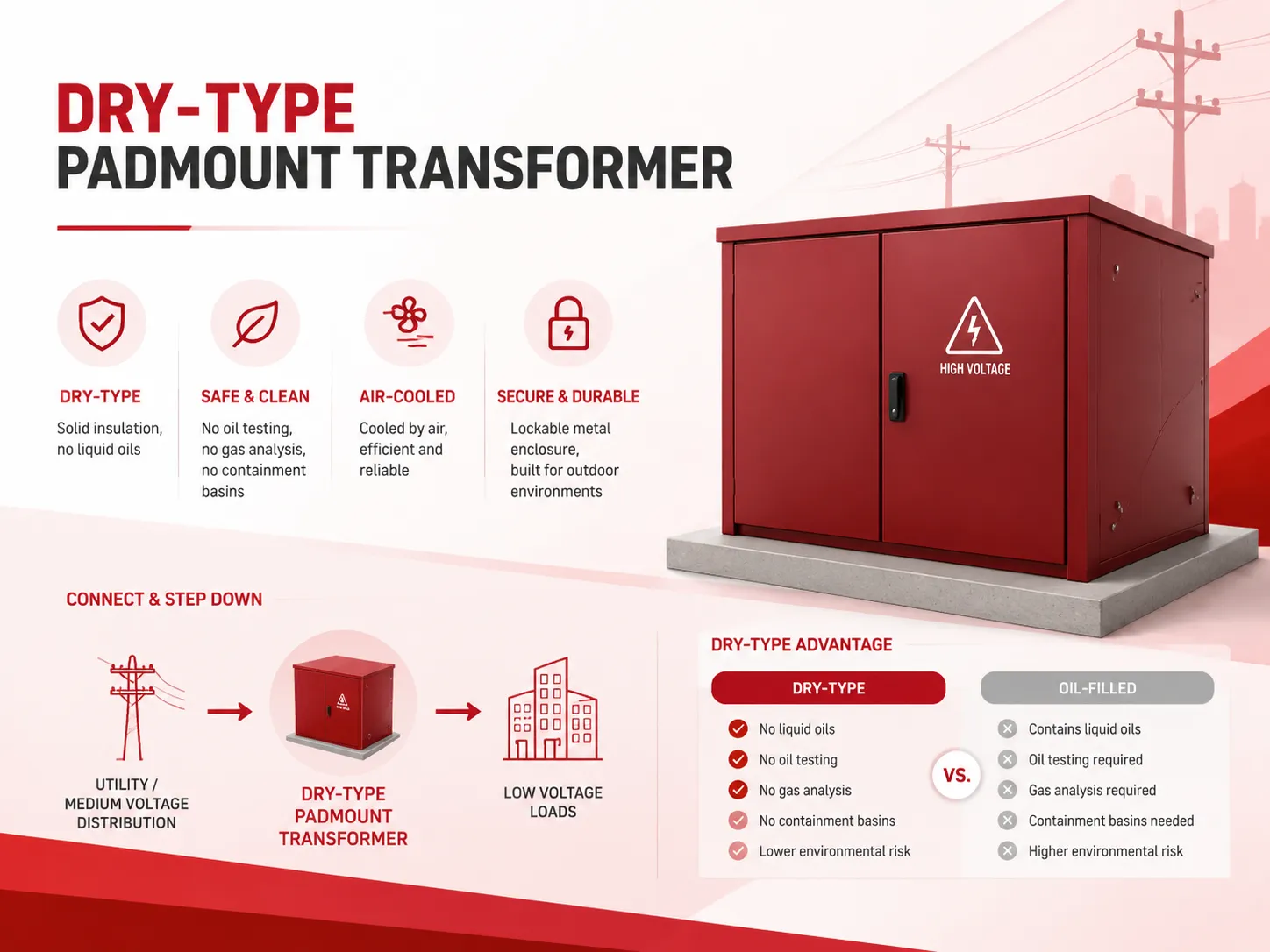
What Is a Dry-Type Padmount Transformer?
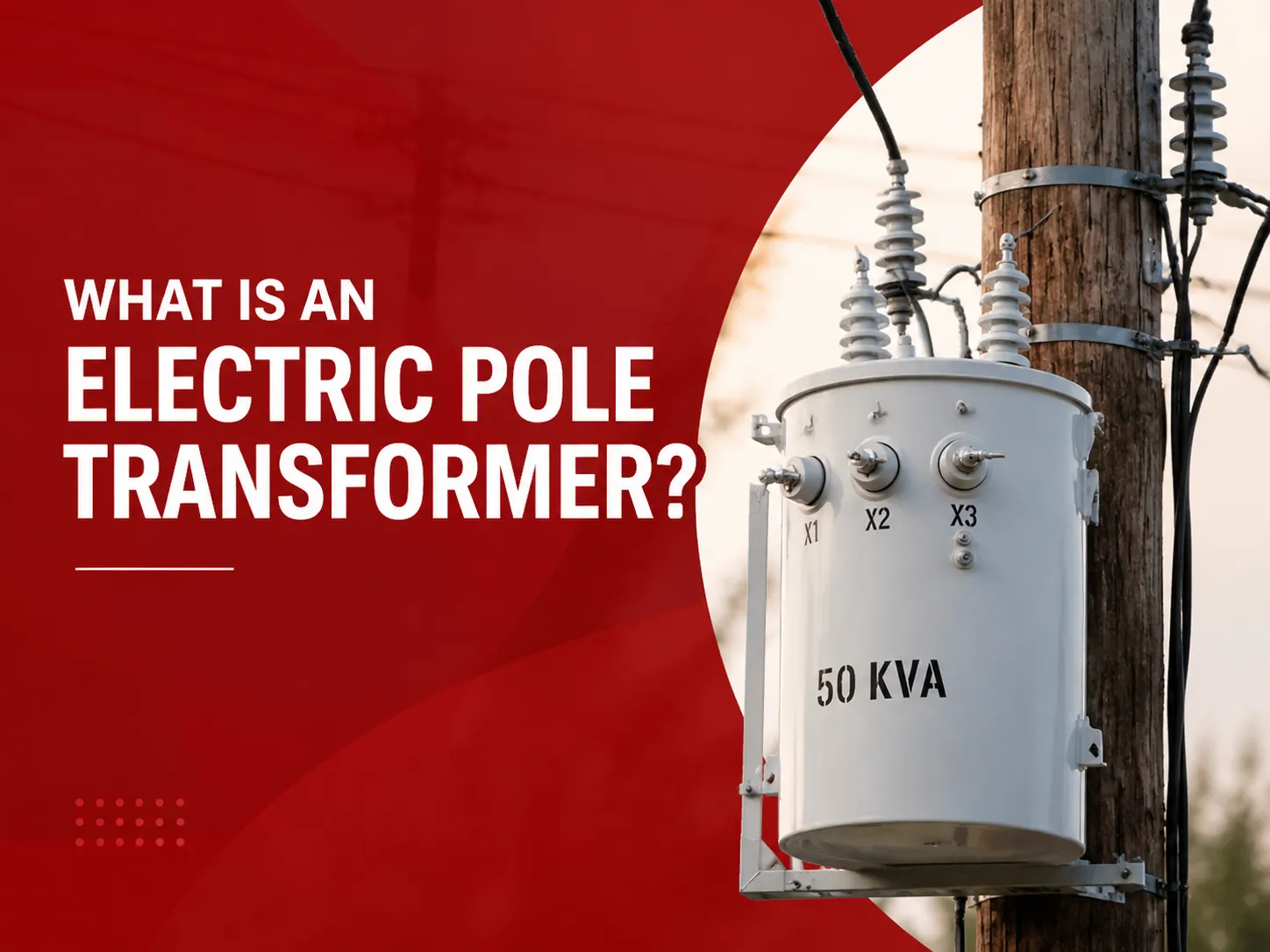
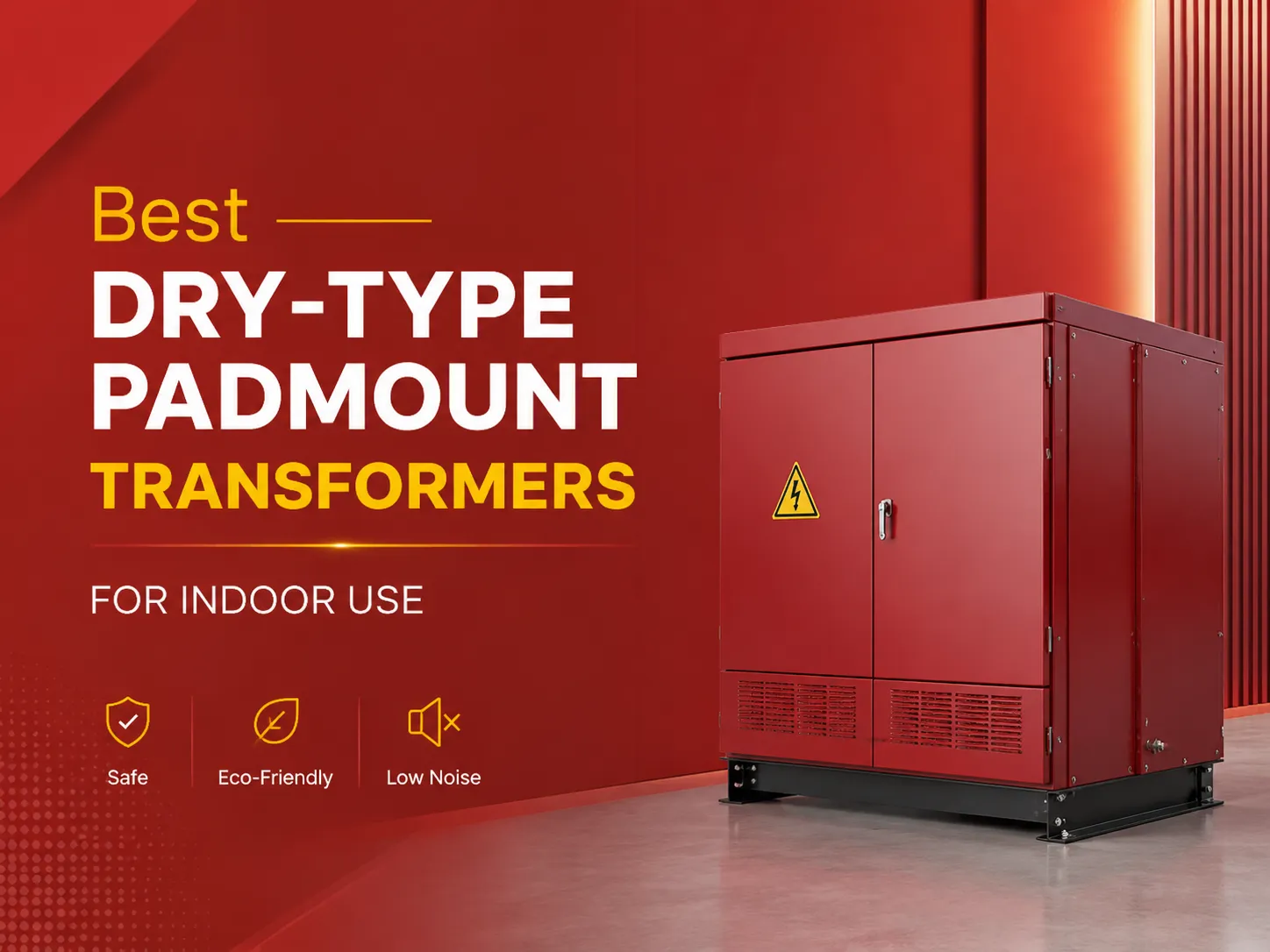
Padmount transformers are floor-mounted units that are encased in a lockable metal cabinet and have cable terminations that are accessible either through their front or through one of their sides. They are installed on a concrete pad and connect the utility company (or a medium high voltage distribution system) to a building’s low voltage loads. As opposed to using liquid insulation oils (which are typically used in conventional padmount transformers), dry type padmount transformers use solid insulating materials such as epoxy resin, polyester resin or VPI varnish; and cool themselves with air rather than a liquid medium. Because of this, there are no oils to test, no gases to analyze, and no containment basins to design. For a deeper look at the full family of non‑liquid‑cooled designs, our overview of dry‑type transformer types explains the differences between cast‑coil, VPI, and other construction methods.
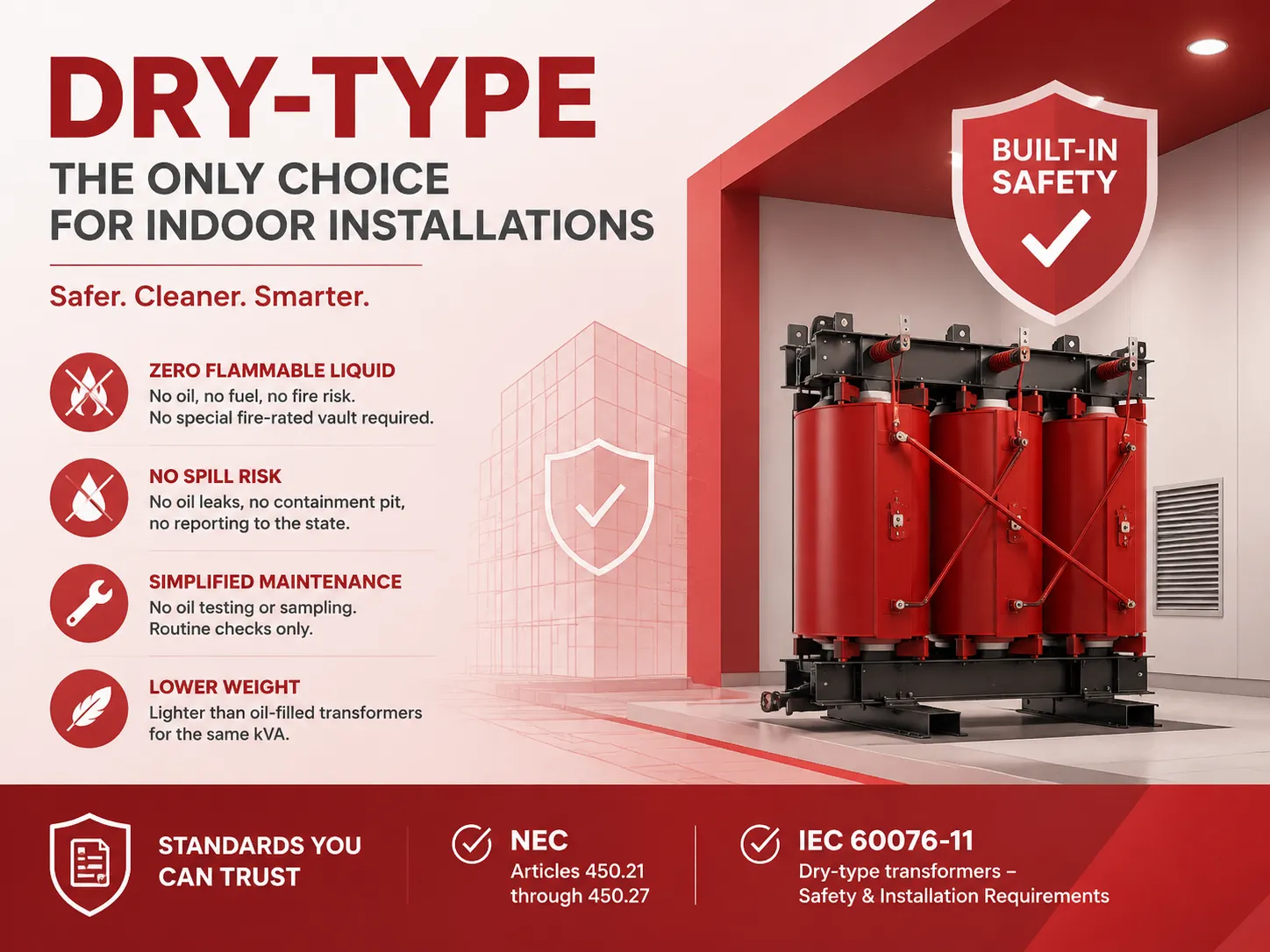
Why Dry‑Type Is the Only Choice for Indoor Installations
The use of dry padmount transformers is determined by building codes, requirements concerning fire safety, and common sense. The reasons for choosing a dry transformer instead of an oil-filled transformer are clear-cut:
- Zero flammable liquid. Without oil, you won’t have any fuel to burn in your fire. Unlike oil-filled transformers, dry-type transformers do not require specially constructed fire-rated vaults. Their use provides significant savings in construction costs and reduces the overall area needed for the transformers since they do not occupy the same amount of space.
- No spill risk. A subfloor, cable trench or the surrounding area will not have anything leaking into them; therefore, there is no need for a containment pit and there won’t be any requirement to document an oil leak with the state.
- Simplified maintenance. There is not any testing for dissolved gases or oil sampling; no replacement of desiccant media in breathers. You carry out routine check procedures for Ventilation openings, fans and for insulation integrity.
- Lower weight for the same kVA. In general, cast-coil or VPI dry-type transformers tend to be lighter than oil-filled transformers, which can be important when hoisting a unit into the basement or a mechanical penthouse.
Standards define and verify these benefits. The National Electrical Code (NEC) Articles 450.21 through 450.27 as well as IEC 60076-11 for dry-type transformers establish the safety and installation requirements that mandate the use of dry-type transformers inside a building by default.
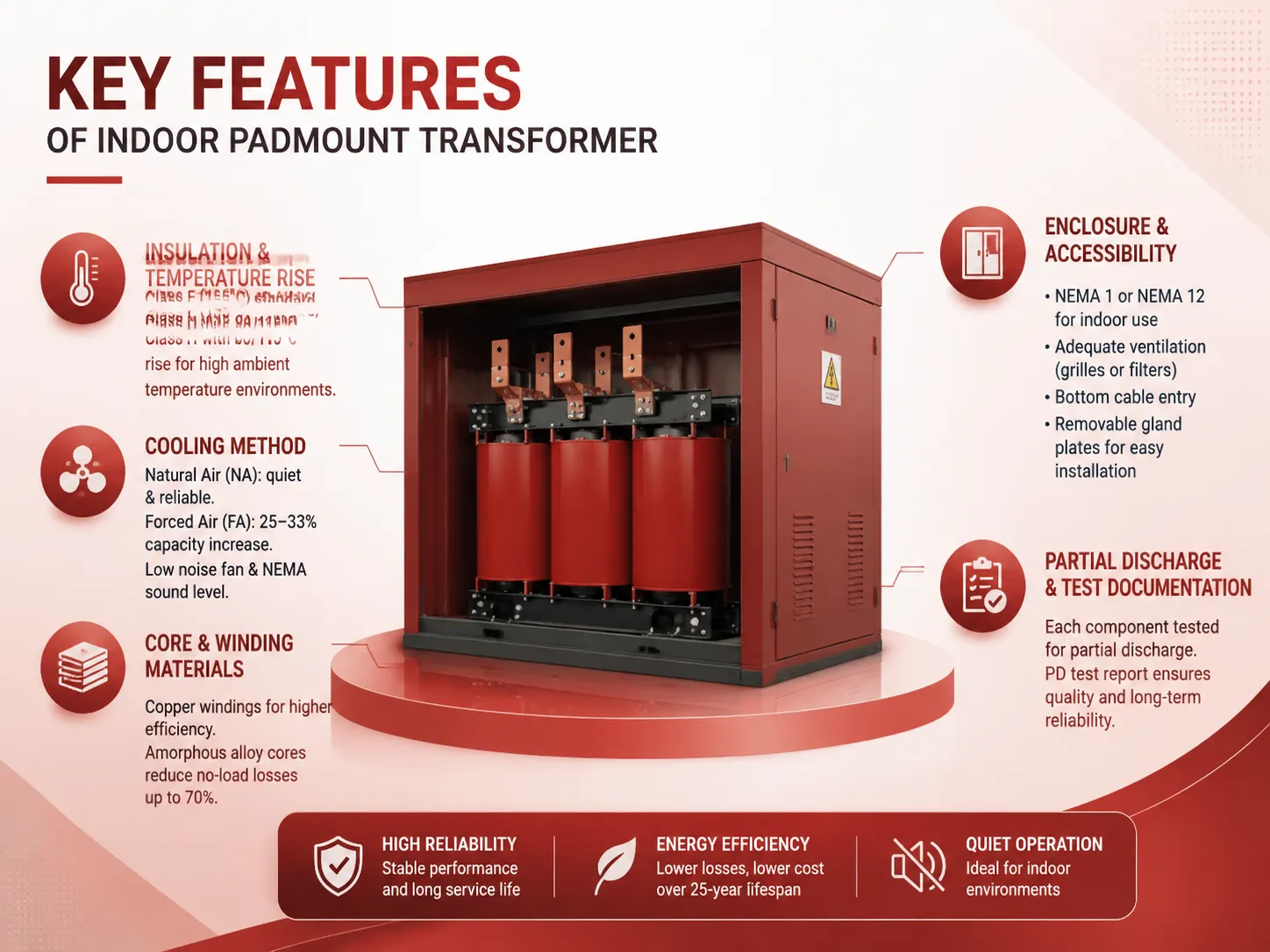
Key Features to Evaluate in an Indoor Padmount Transformer
Each dry-type padmount transformer is built differently. Some transformers operate with far lower noise levels and greater reliability than others. As you compare transformers and their designs, consider these characteristics when selecting the right one for your needs: whether it operates at the designed temperature range to avoid overheating, produces excessive vibration or noise, and is well-constructed using durable materials that won’t break down prematurely.
- Insulation system and temperature rise. While common insulations include up to 80 and 150 degree C rise; with most having a class F (155 degree C) to the point that, with a internal environment where ambient temperature is already high, a class H insulating system with a rise of 80, 115 is a substantial heating margin.
- Cooling method. Natural air convection (NA) is quiet and dependable, while forced air (FA) creates a 25 to 33 percent increase in capacity with fans operating. In indoor applications, fan noise must be taken into consideration, so find a low noise fan and NEMA or equivalent sound level.
- Core and winding materials. Copper wire has a smaller size with greater efficiency than aluminum wire. Using amorphous alloy cores helps to reduce no-load losses up to 70% compared to traditional silicon steel; therefore, they are a great choice for an indoor unit that is continuously running for 24 hours each day. Generally, over the course of a 25-year lifespan, the amount of energy saved will outweigh any incremental costs incurred.
- Enclosure and accessibility. For use indoors, a NEMA 1 or NEMA 12 enclosure is necessary; additionally, it is imperative that it has sufficient ventilation openings, either designed as grilles or with filters if dust is likely to accumulate; furthermore, any cables that connect to the equipment should enter from the lowest or bottom side of the enclosure, and the gland plates should be removable to allow for less complicated installation.
- Partial discharge and test documentation. In order to verify the condition of each component in a cast coil transformer, all parts must be independently tested for their ability to hold partial discharge and must be supported by a partial discharge test report from the manufacturer; if not tested, there may be voids within the epoxy of the cast coil transformer that will subsequently develop into full-blown failure.
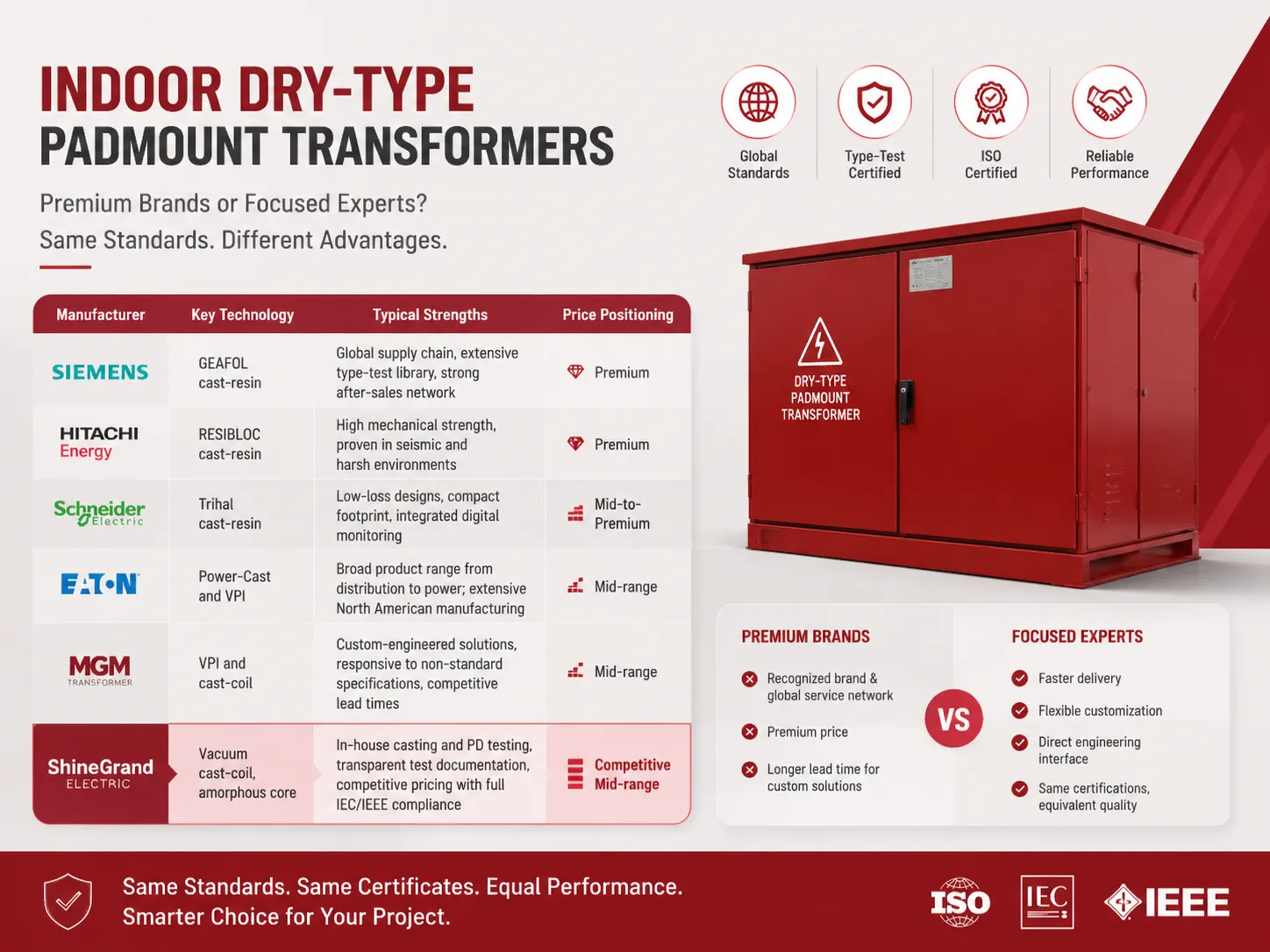
Leading Manufacturers of Indoor Dry‑Type Padmount Transformers
The global market for dry‑type padmount transformers includes multinational electrical conglomerates and specialized medium‑sized producers. The table below summarizes the players most likely to appear on a serious shortlist, along with their typical strengths and the technologies they emphasize.
| Manufacturer | Key Technology | Typical Strengths | Price Positioning |
|---|---|---|---|
| Siemens | GEAFOL cast‑resin | Global supply chain, extensive type‑test library, strong after‑sales network | Premium |
| Hitachi Energy (ABB) | RESIBLOC cast‑resin | High mechanical strength, proven in seismic and harsh environments | Premium |
| Schneider Electric | Trihal cast‑resin | Low‑loss designs, compact footprint, integrated digital monitoring | Mid‑to‑premium |
| Eaton | Power‑Cast and VPI | Broad product range from distribution to power; extensive North American manufacturing | Mid‑range |
| MGM Transformer | VPI and cast‑coil | Custom‑engineered solutions, responsive to non‑standard specifications, competitive lead times | Mid‑range |
| ShineGrand Electric | Vacuum cast‑coil, amorphous core | In‑house casting and PD testing, transparent test documentation, competitive pricing with full IEC/IEEE compliance | Competitive mid‑range |
A premium brand name carries a recognized label and a global service network, but it also carries a premium price and often longer lead times for custom specifications. A focused manufacturer can offer faster delivery, more flexible customization, and a direct engineering interface — and when the factory holds the same ISO certifications and produces the same type‑test certificates, the technical merit is equivalent.
What Should You Budget for an Indoor Dry‑Type Padmount Transformer?
The cost of a dry‑type padmount transformer depends on kVA, voltage class, winding material, and required certifications. The ranges below reflect typical North American and IEC‑market pricing for cast‑coil units at mid‑2025 levels, FOB factory. They do not include freight, installation, or commissioning.
| kVA Rating | Primary Voltage | Typical Price Range (USD) |
|---|---|---|
| 100–300 kVA | 4160–13,800 V | $5,000–$15,000 |
| 500–750 kVA | 4160–13,800 V | $15,000–$35,000 |
| 1,000–2,500 kVA | 13,800–34,500 V | $35,000–$90,000 |
| 3,000–5,000 kVA | 13,800–34,500 V | $90,000–$180,000+ |
Options that increase the price: a forced‑air cooling package, a higher BIL rating, low‑noise fan assemblies, an amorphous alloy core, and a seismic‑qualified design. Items that do not increase the unit price but should be insisted upon: routine test reports, PD test data, and material traceability. If a quote looks too good to be true, it may be missing the testing that confirms the unit will perform as required. Our guide on how to get the best transformer quotation describes what a complete, comparable quote should contain.
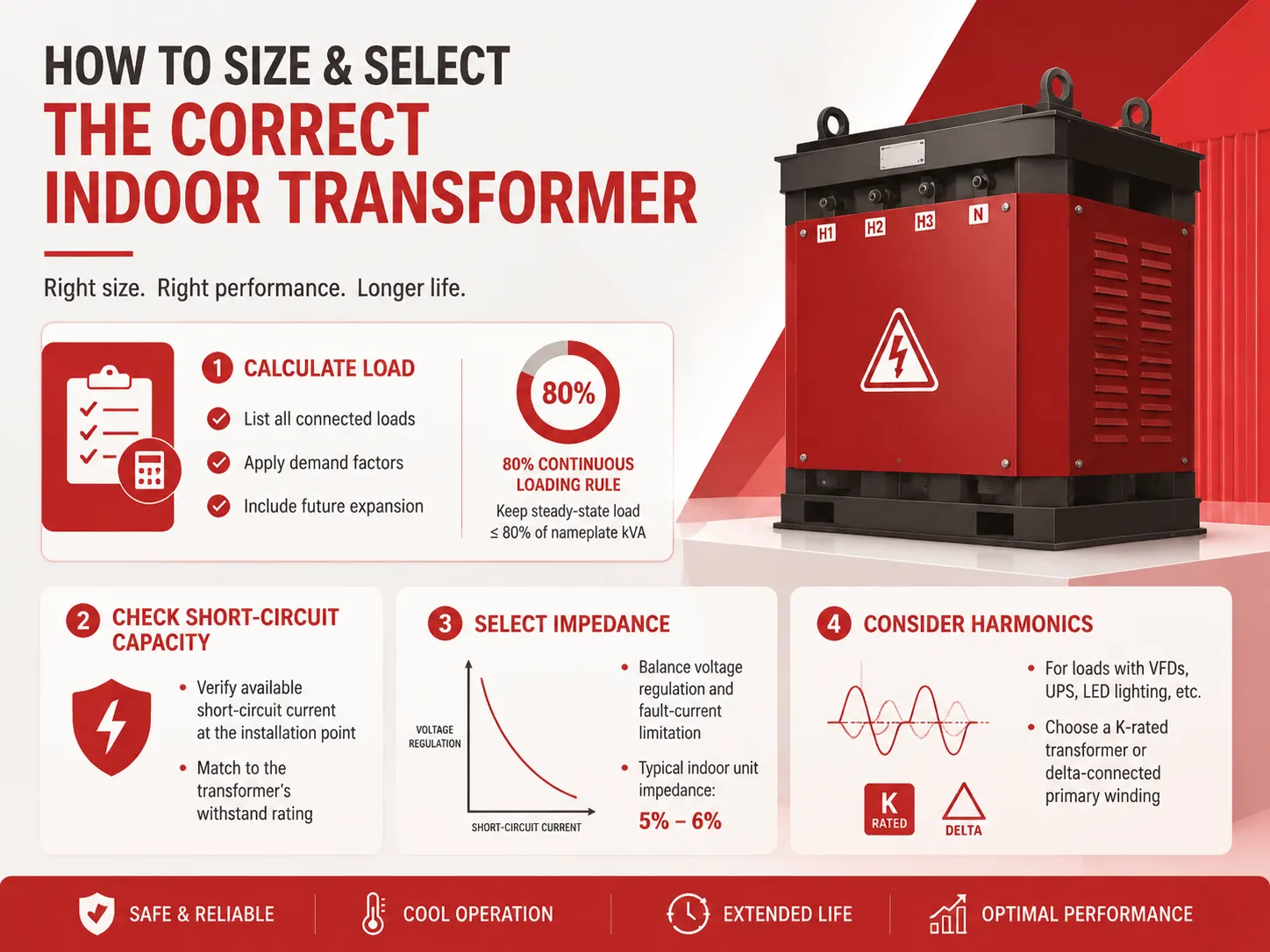
How to Size and Select the Correct Indoor Transformer
Selecting the right dry‑type padmount transformer for an indoor space starts with a thorough load calculation. List every connected load, apply the appropriate demand factors, and account for any future expansion. The 80% continuous loading rule — keeping the steady‑state load below 80% of nameplate kVA — provides the thermal headroom that keeps the insulation cool and extends the transformer’s life. For the specific full‑load current values, our transformer calculation table lists the amperage for common kVA ratings at the voltages most frequently specified.
Verify the available short‑circuit current at the installation point and match it to the transformer’s withstand rating. Specify the impedance to balance voltage regulation against fault‑current limitation; a typical indoor unit ranges from 5% to 6% impedance. If the load contains significant harmonics — from VFDs, UPS systems, or LED lighting — a K‑rated transformer or a design with a delta‑connected primary winding can prevent the harmonics from overheating the unit.
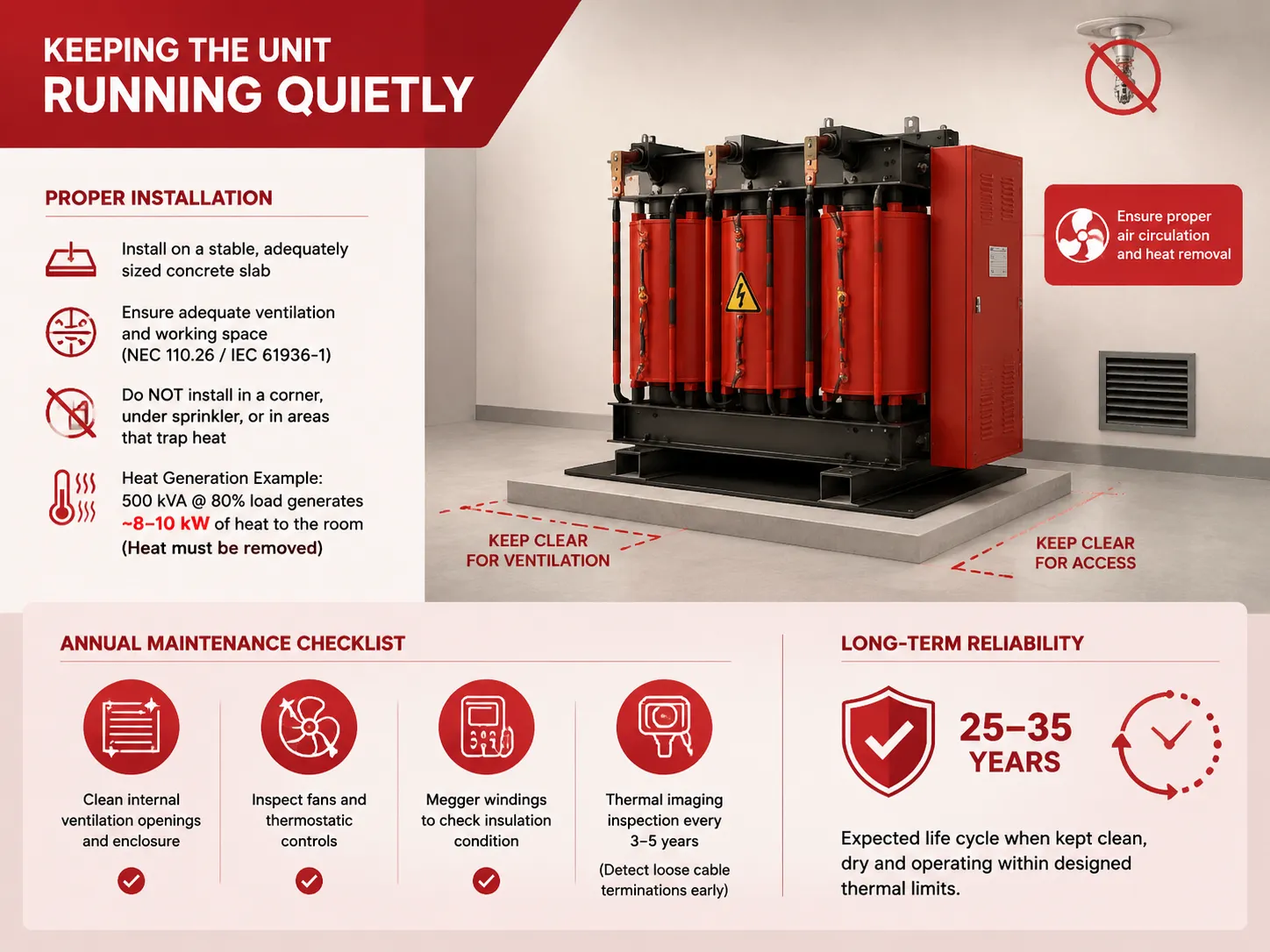
Installation and Maintenance: Keeping the Unit Running Quietly
An indoor pad-mount transformer must be installed on an adequately sized and stably constructed concrete slab, with enough space around the transformer to allow for ventilation, and sufficient working space as required by NEC 110.26 or IEC 61936-1. Do not install the transformer in a corner where there is no air circulation, under a fire sprinkler head, or in an area that will cause the transformer to draw too much heat from the HVAC system beyond its design limits. For example, a 500 kVA transformer at 80% load will generate approximately 8 to 10 kW of heat to the room, and the heat must be removed through an artificial means of removal; otherwise, the increase in ambient temperature will result in an increase in the internal temperature of the transformer.
Maintenance for a dry-type unit requires contact work; however, it has easy-maintenance features. To maintain your dry-type transformer, you should perform the following tasks on an annual basis: Clean out the internal ventilation opening and the dry-type enclosure / compartment, inspect your fans and their thermostatic controls, and megger your windings to identify any deterioration of insulation. Comprehensive periodic thermal imaging inspection, (every 3 to 5 years), will allow for detection of loose cable terminations before the end-user experiences a failure of the cable termination. Provided the dry-type transformer is kept clean, dry and always operates within its designed thermal limits, it is expected a life cycle expectancy of 25 – 35 years.
ShineGrand: Cast‑Coil Technology Built for Indoor Reliability
ShineGrand Electric designs and produces padmounted transformers that work without liquid and are used in dry indoor facilities. All of the cast coil components of our transformers, which are wound, filled, and cured, are done at the same facility using the same equipment. Each winding is also tested for partial discharge after manufacturing. Outside of our current in-house processes, we also provide customers with options for Class F and Class H insulating systems, as well as allow the use of either copper or aluminum windings in different applications. We will also provide you with the option to select from varying enclosure ratings (e.g., NEMA 1 – for clean, indoor environments; NEMA 12 – for dusty or moist locations). Our SCB series epoxy cast‑coil transformers are designed for primary voltages from 6 to 10 kV, and for installations where energy efficiency is paramount, our SCBH amorphous alloy core transformers reduce no‑load losses by up to 70%.
Each factory-tested transformer ordered through the ShineGrand product line is shipped with a test report, which indicates appropriate values for winding resistance, winding ratio, the voltage range within which the transformer operates, and partial discharge testing. At ShineGrand, we believe that the way to prove the quality of a transformer is through testing, not by stating it. Therefore, for applications in data centers, healthcare facilities, multi-story buildings used as offices or other commercial enterprises, or manufacturing plants, padmounted transformers made by ShineGrand provide the electrical isolation necessary to meet fire-safe, low-maintenance, and environmentally friendly criteria required by these types of applications when used outdoors.
Frequently Asked Questions
What is a pad-mounted transformer dry type?
A dry pad mounted transformer is an enclosed transformer that is located on the floor and has solid insulations (epoxy resins and/or varnishes) for use as a cooling medium instead of using oil as a cooling medium. This type of transformer installs on a concrete slab (inside or outside), providing step-down voltage between the medium voltage distribution system and the building’s voltage of use.
What is a dry type transformer?
A dry-type transformer lacks a liquid cooling and utilizes air and solid insulation to cool its windings and core. A dry-type transformer is typically favored for use within buildings because of the lower risk of oil-filled transformer fires and environmental hazards associated with oil-filled transformers.
What is a pad mount transformer?
At ground level, there are base pads with locked metal cabinets that house the transformers. At the top of the cabinets is a transformer that is meant to serve as a distribution transformer in residential neighborhoods, a commercial campus or industrial distribution application with underground cable entry. This type of transformer can be filled with insulating oil or designed as a dry unit.
What is the difference between wet and dry type transformers?
Transformers can either be oil-filled to provide insulation and cooling with a liquid or air-cooled to provide insulation with a solid material. Dry-type or air-cooled transformers are typically used in an indoor application because they don’t contain flammable liquids, don’t require a containment device, and have fewer maintenance requirements than oil-fired transformers. Oil-filled transformers are primarily used in outdoor applications and/or in higher kVA applications because the thermal mass of the oil allows for overload protection.
References
- IEEE C57.12.01 — IEEE Standard for General Requirements for Dry‑Type Distribution and Power Transformers.
- IEC 60076‑11 — Power transformers — Part 11: Dry‑type transformers. International Electrotechnical Commission.
- NFPA 70 (NEC) Article 450 — Transformers and Transformer Vaults. National Fire Protection Association.
- U.S. Department of Energy — Energy Efficiency Standards for Distribution Transformers, including dry‑type regulatory requirements.
Choosing the best dry‑type padmount transformer for indoor use is about aligning the unit’s thermal design, insulation system, and enclosure with the specific constraints of the indoor space. A well‑chosen transformer runs cool, stays quiet, and lasts for decades with minimal attention. ShineGrand Electric builds padmount transformers to meet that expectation, with the in‑house casting, the partial discharge testing, and the transparent documentation that make an indoor installation a safe, routine, and uneventful part of a building’s electrical infrastructure.