Many people have gone through the experience of seeing a flash of blue-green light and hearing a loud bang before losing electricity in their homes. What happened is a transformer blowout, one of the most typical failures of the electrical grid. What causes transformers to blow and why some transformers blow violently while others occur without any noise or damage? Knowing the answers allows homeowners, engineers, and managers to understand the situation and make sure that no dangerous and costly incident happens.
Simply put, transformer blowouts occur when the transformer faces too much heat, pressure, or electrical stress and cannot cope with them. There are several reasons for that: insulation failure, excessive loading, lightning and voltage jumps, internal short circuits, cooling system breakdown, aging. Each of these issues can trigger anything from a blown fuse to an actual full transformer blowout explosion. Below you will find everything you must know about major reasons and mechanics of this phenomenon.
What does transformer blowout mean?
Transformer blowout is a rather commonly used term describing the failure of the transformer characterized by some loud noise and usually bright flash as well. However, it does not mean that every failure results in a big bang. In many cases, a failure occurs in a more controlled manner because the protective device has worked and the transformer has become in-operative.
It is worth noting that not every failure is an explosion. Many blowouts are relatively contained events where a protective device operates and the unit simply goes dead. A true transformer blowout explosion, in which the tank ruptures and oil ignites, is the most severe end of the spectrum. What determines where a given failure lands on that scale is the cause, the design of the unit, and whether protective systems worked as intended.

What Causes a Transformer to Blow? The Main Causes
Failures of transformers can be attributed to three groups of reasons. These include electric stresses, internal mechanical failures, and external environmental factors. However, these causes may co-exist to contribute to the failure. Following are some of such causes.
Excessive Current and Heating
Inspection of excessive use and heating of transformers boils down to the fact that if a transformer is put under more load than it can bear, this unit heats up. Excessive heating is the main reason for causing the insulation to fail as its excessive operation will result in damage to insulation. Thus, effective guidelines such as the operation of transformers at approximately 80% of the maximum load should be followed to avoid failures. Overheating from overload is one of the most frequent starting points for a transformer blowout, especially in summer months when the temperature is high.
Lightning and Voltage Surge
Lighting strikes can cause surges of very high voltage to occur in the transformers. Lighting strikes can break the insulation of a transformer causing it to burn or explode. Similar short surges can be due to switching processes. Lightning strike is one of the reasons for transformer blowout explosion as a case in point, there may be very long overhead power lines of transformers or their location in areas with numerous lightning strikes making them more prone to these failures.
Roger Insulation Failure
The main reason for transformer failures is failure of the insulation system used in a transformer. The insulation is a process which undergoes degrading due to thermal, electrical, and mechanical impacts. Due to changes in the properties of insulation material arcing may begin. The majority of other causes in the list also lead to failures of insulation.
Internal Short Circuits and Faults
Short-circuit either inside a transformer or at load side leads to large currents being delivered to windings of the transformer. Leakages of the currents into windings lead to events such as serious heating and producing mechanical forces which may damage windings and cause rupture of insulation. In case the transformers’protective devices do not function correctly, the transformer can be destroyed in an instant, making short circuits a leading direct cause of a transformer blowout.
Oil Pollution, Moisture, and Low Oil Level
The third group of transformer failures involves problems connected with the insulating oil of transformers. The oil is responsible for insulation function and cooling of the transformer. Pollutants and low level of oil lead to decline of its dielectric strength. Moisture penetration into oil is known to be quite dangerous as it impacts the ability of oil to insulate too.
Aging and Wear
Transformers are not made to last forever, although they operate for 30 to 50 years on average. Aging of transformer means that insulation, oil, bushings, and connections of this unit deteriorate, and this leads to a massive decrease in the ability of a transformer to withstand any stress. A transformer that is older than its intended service life, may fail due to the slightest external event. This is why its proactive replacement is a good way to prevent an unexpected failure.
Manufacturing Defects and Poor Maintenance
Not all failures occur due to the working conditions. Manufacturing defects may be the cause of transformer failure. Poor material choice, poor welding, wrong oil level, and poor insulation that was used in the manufacturing process can lead to a considerable shortening of the lifespan of a transformer. Moreover, failures may happen due to poor maintenance of the equipment as loose connections and worn-out parts go unnoticed until they cause failure. That is why it is so important to buy equipment from a reliable producer, and to maintain the equipment properly.
Environmental Factors and Wildlife
External conditions take a heavy toll. High summer temperatures, severe storms, flooding, and airborne debris all stress transformers and can trigger failures. Wildlife is a surprisingly large contributor as well: squirrels, birds, and other animals that bridge energized parts cause a significant share of distribution transformer blowouts. Physical impacts, such as a vehicle striking a pole, round out the environmental causes.

How a Transformer Blowout Explosion Actually Happens
To understand why some failures explode, it helps to follow the chain of events inside an oil-filled unit. A transformer blowout explosion is rarely a single instantaneous event; it is a rapid sequence, each step feeding the next.
- An electrical fault or thermal stress degrades or breaches the insulation, opening a fault path.
- An internal electric arc forms across that path, releasing intense energy into the surrounding oil.
- The arc decomposes the dielectric oil, liberating combustible gases, chiefly hydrogen and acetylene.
- The heat and gas cause the pressure inside the sealed tank to rise extremely rapidly.
- The tank’s mechanical links, its bolts and welds, fail, rupturing the enclosure, often violently.
- The escaping gases meet the oxygen in the surrounding air, and because acetylene ignites readily, a fire breaks out almost immediately.
This is the moment observers experience as the flash and the bang. The entire sequence can unfold in a fraction of a second, which is why a transformer blowout explosion is so difficult to interrupt once it begins and why prevention is far more effective than any after-the-fact response.
Oil-Filled vs Dry-Type: Why the Risk Differs
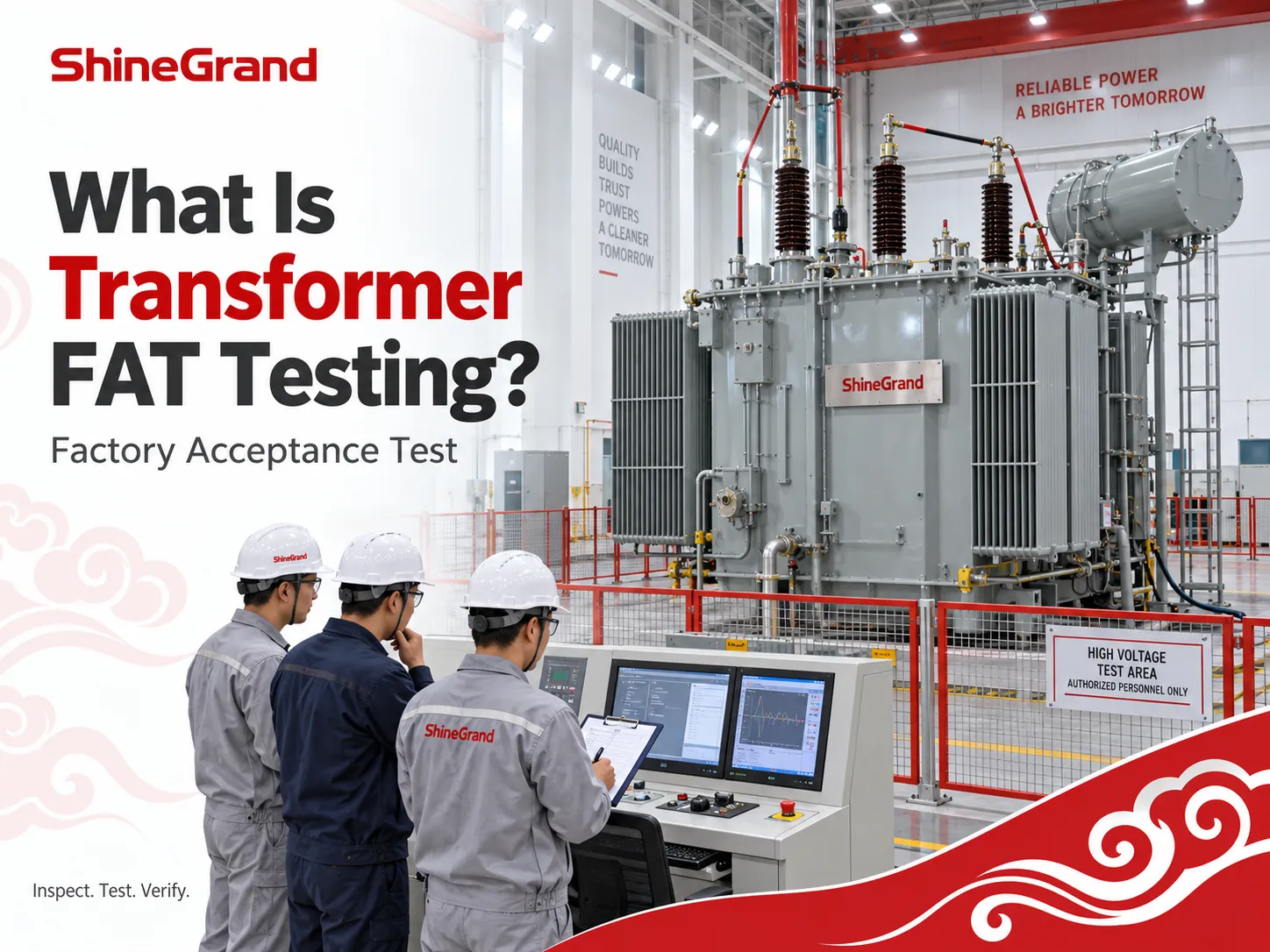
The single biggest factor in whether a failure becomes a fireball is whether the unit contains oil. Oil-filled transformers are efficient, cost-effective, and excellent at handling overloads, which makes them the workhorses of distribution networks. Units such as the 6-10KV Oil-Immersed Distribution Transformer and the high-voltage 110-132kV Oil-Immersed Distribution Transformer serve reliably for decades, but the oil that cools and insulates them is also combustible, which is what creates the fire and explosion risk during a severe fault.
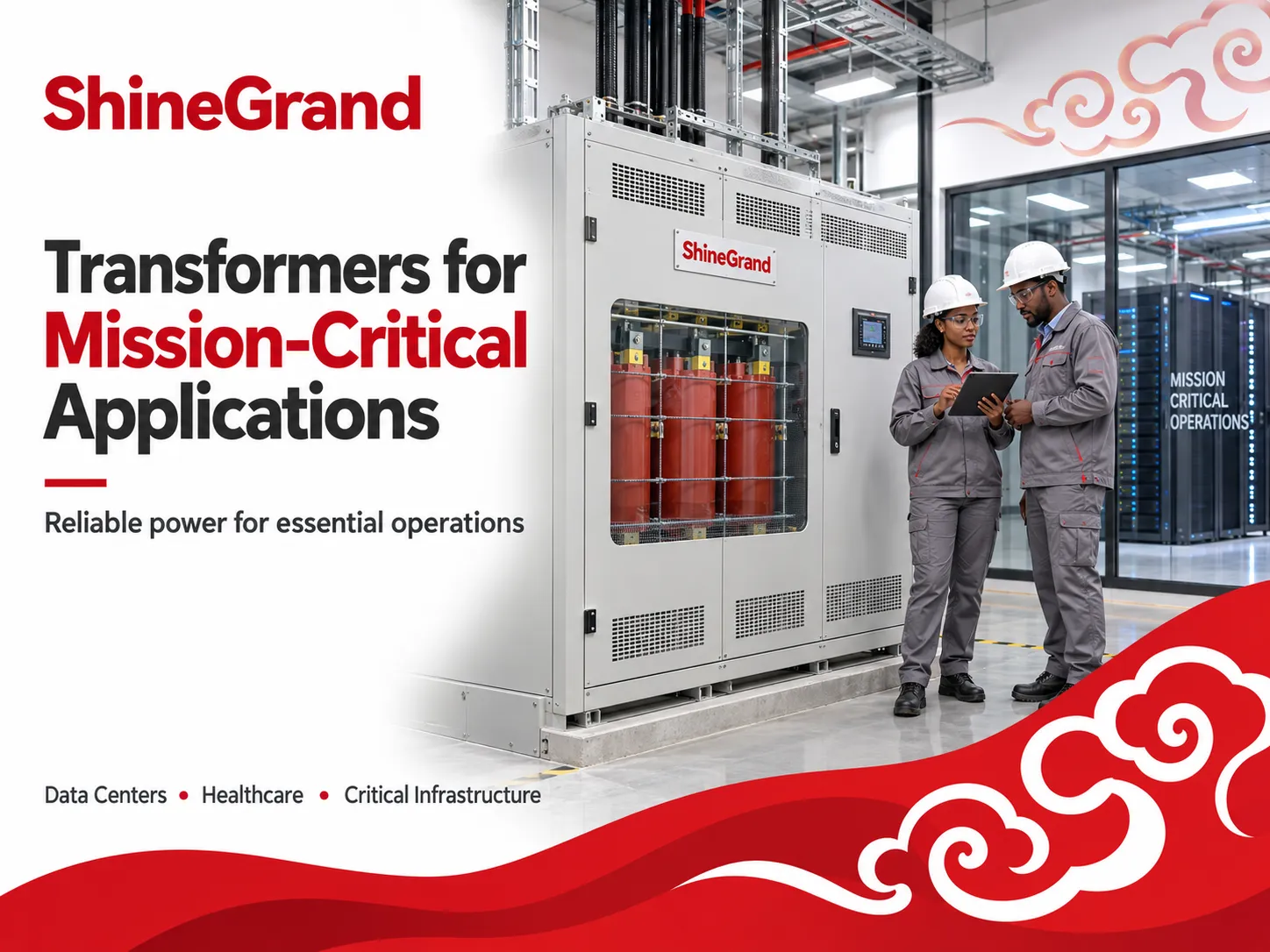
Dry-type transformers take a different approach, using cast-resin or air insulation instead of oil. Because there is no oil to ignite, a dry-type failure is generally contained within the unit rather than erupting outward, which is why designs like the 20-35kV Epoxy Dry-Type Transformer are favored indoors and in fire-sensitive locations. Choosing the right type for the environment is itself a form of blowout prevention.
What Happens When a Transformer Blows
The immediate consequence of a blowout is a loss of power to everything the transformer feeds. In a residential area with a small pole-mounted unit like the Pole-Mounted Single-Phase Power Transformer, the outage may be limited to a few blocks; in an industrial or substation setting, the impact can be far broader. Beyond the outage, a severe transformer blowout can spray hot oil, start a fire, and even damage connected equipment through the voltage disturbance that accompanies the fault. A single medium transformer can hold hundreds to thousands of liters of oil, so a ruptured tank also creates an environmental hazard if the oil is not contained. For all these reasons, the public should always stay well clear of a transformer that has failed.
There is also a knock-on effect worth understanding. The same voltage disturbance that destroys the transformer can travel a short distance into connected circuits, which is why sensitive electronics on the affected line are sometimes damaged when a transformer fails, especially where surge protection is absent. Restoring service after a serious blowout is rarely instant either: crews must first make the site safe, then either repair or replace the unit, and on larger equipment that process can stretch from hours into days. All of this is a reminder that the true cost of a blowout extends well beyond the transformer itself, reaching into lost productivity, damaged equipment, and, in the worst cases, safety and environmental consequences.
Warning Signs a Transformer May Be About to Blow
There are times when a transformer blowout gives evidence of the impending issue. Although utility companies and facilities know how to spot the signs, laypeople should never inspect electrical equipment on their own. If a transformer buzzes or hums more loudly than usual, it is possible that there is a problem with loose parts located inside the transformer or overloading. If there are oil stains, leaks, or oil levels going down, it may indicate a seal failure and a loss of insulation and cooling properties. In addition, discoloration, burning, or smell of burning suggest excessive heat and consequent damage of the insulation already occurring. If protection devices are continuously malfunctioning, loads are flickering, and unusual heat is coming off from the enclosure, it is a signal that the device is overworked. When failures happen, increasing dissolved gas concentration from the oil can serve as the first signal about the failure, giving time for making the necessary preparations before any issues arise. Therefore, if signs are acted upon in a timely manner by decreasing the load, examining or replacing the transformer, one saves a lot of time and money, avoiding the failure consequences.
How to Prevent a Transformer Blowout
The good news is that many blowouts can be avoided. Generally, a failure occurs as a result of a chain reaction rather than pure luck. By breaking at least one link in the chain one can significantly decrease the chances of blowouts taking place. Most preventive measures focus on the main factors responsible for oil blowouts.
Use the proper surge protection system. Since a lightning strike and switching surges are one of the major causes of oil blowouts, using transformers together with surge arresters of the appropriate capacity is one of the most effective methods that can be used for oil transformers especially on overhead wires and in areas exposed to severe weather.
Synchronize protective devices correctly. Setting the protective devices (fuses and breakers) properly can clear the fault before it grows into a failure.
Refrain from constant overload. Make sure that capacity is not exceeded. Allow for the margin in case of overheating.
Service the equipment regularly. Carry out inspections, oil sampling and testing on a regular basis in order to detect all the issues (moisture, contamination, bad connections) before they lead to oil ruptures.
Replace old equipment. If the service life is nearing then it is necessary to arrange for replacement of the equipment instead of letting it break down.
Use high-quality equipment. Only well-constructed equipment made by good manufacturers can withstand the pressure suffered by lower-quality equipment.
Frequently Asked Questions
Do transformers always explode when they blow?
No. A good number of failures are contained cases when a protective device works and the transformer simply loses power. A total transformer blowout explosion, that is, when its tank ruptures and the oil catches fire, is the most serious result and is encountered mainly in oil-filled transformers experiencing severe incidents. Dry-type malfunctions typically remain contained in the unit
What is the most usual cause of transformer blowouts?
Insulation breakdown is the maincause of most malfunctions. However, it is usually triggered by overload, voltage surge from lightning or switching, or internal short circuit. Environmental aspects and animal interference are also responsible for some percentage of distribution transformer blowouts.
Can we avoid a transformer explosion?
Generally, yes. Surge protection, properly coordinated fuses and non-performing mechanism, refusal to overload, regular maintenance and proactive replacement of aging units, and buying good equipment serve to ensure that many blowouts are prevented. Given the fact that failure is usually a chain reaction, breaking any step decreases risk significantly.
Are dry transformers more safe than oil-filled ones?
Dry transformers have less fire and explosion risk since they do not contain any combustible oil and, therefore, their failures usually remain contained. However, oil-filled transformers have their own advantages in terms of efficiency and overload capability. Choosing the safest one depends upon the application and environment.
Is it dangerous to be close to a blown transformer?
Yes. The blown transformer can contain live wires, hot or burning oil, fire, and falling obstacles. Anyone who finds himself in case of a transformer explosion should keep away and let utility and emergency services deal with it.
Why does a transformer make a loud bang and a flash when it blows?
The bang and the blue-green flash come from a high-energy electric arc inside the unit. When insulation fails, the arc releases a large amount of energy very quickly, vaporizing material and, in oil-filled units, decomposing the oil into gases that raise the internal pressure. The flash is the arc itself, and the bang is the sudden pressure release or tank rupture, which is the audible signature of a transformer blowout.
References
- IEEE C57.91 — Guide for Loading Mineral-Oil-Immersed Transformers. Industry guidance on thermal limits and how sustained overloading shortens insulation life.
- IEC 60076 — Power Transformers. The international standard series defining the performance, insulation, and testing requirements for power transformers.
- IEEE C57.104 — Interpretation of Gases Generated in Mineral Oil-Immersed Transformers. The basis for dissolved-gas analysis, used to detect developing internal faults before they cause a failure.
- NFPA 70 — National Electrical Code. Reference for overcurrent protection and the practice of limiting continuous load to protect electrical equipment.
- Electrical Engineering Portal. Neutral educational resource covering transformer testing, commissioning, and common failure mechanisms.
Build a Grid That Won’t Blow: Choose ShineGrand Electric
The maximum level of security against transformer blowout is provided by proper equipment that is required to be well-designed and well-protected at the same time. ShineGrand Electric Co., Ltd. is a manufacturer of a wide variety of power and distribution transformers, both oil-immersed and dry-type, as well as the related protection devices, such as surge arresters, high-voltage fuses, and disconnect switches necessary for the protection of transformers against the above-named risks. Whether you are building a new network, upgrading old infrastructure, or choosing equipment developed for real-life conditions, explore our full transformer product range or contact the ShineGrand team for expert guidance tailored to your project.