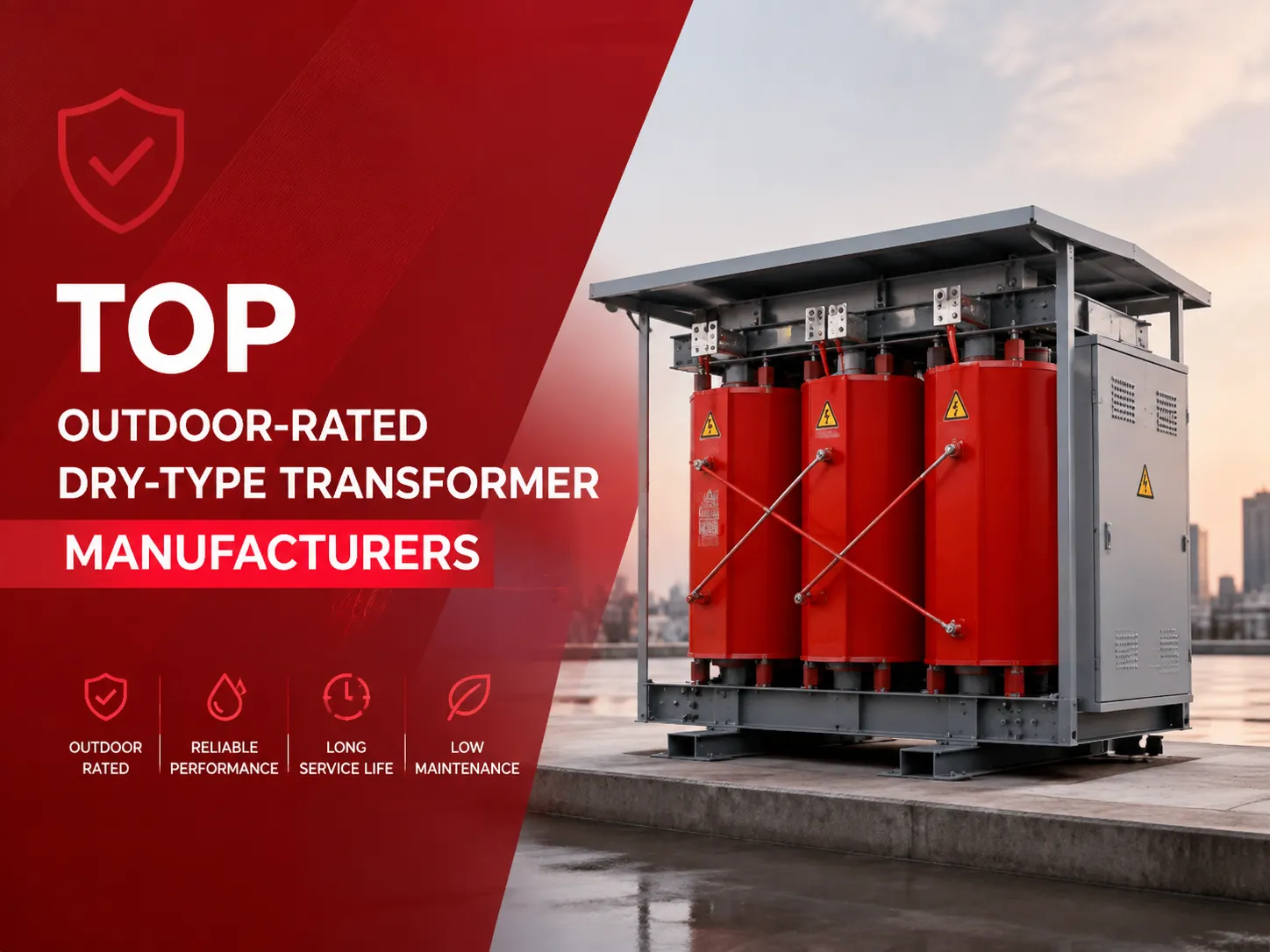
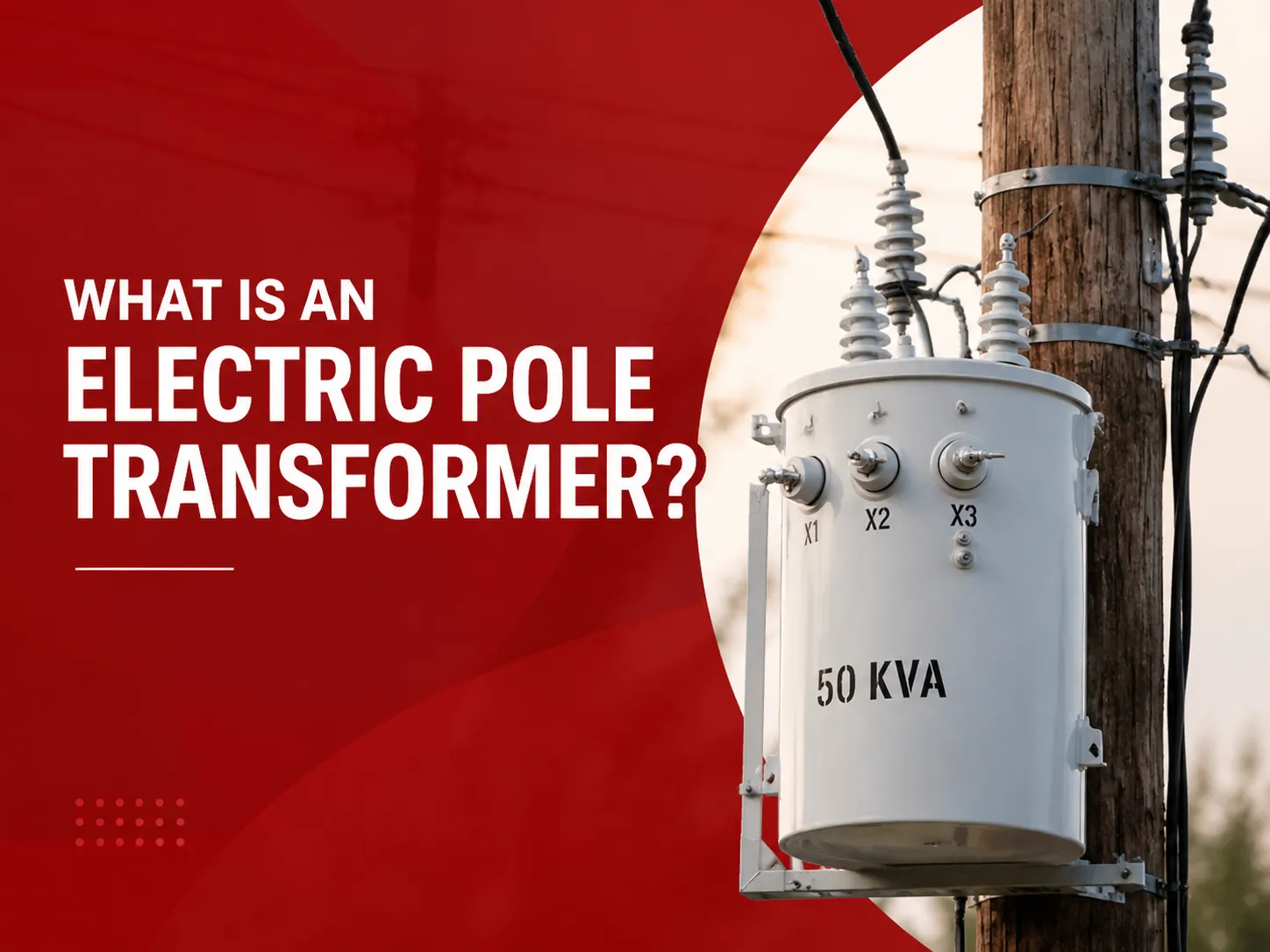
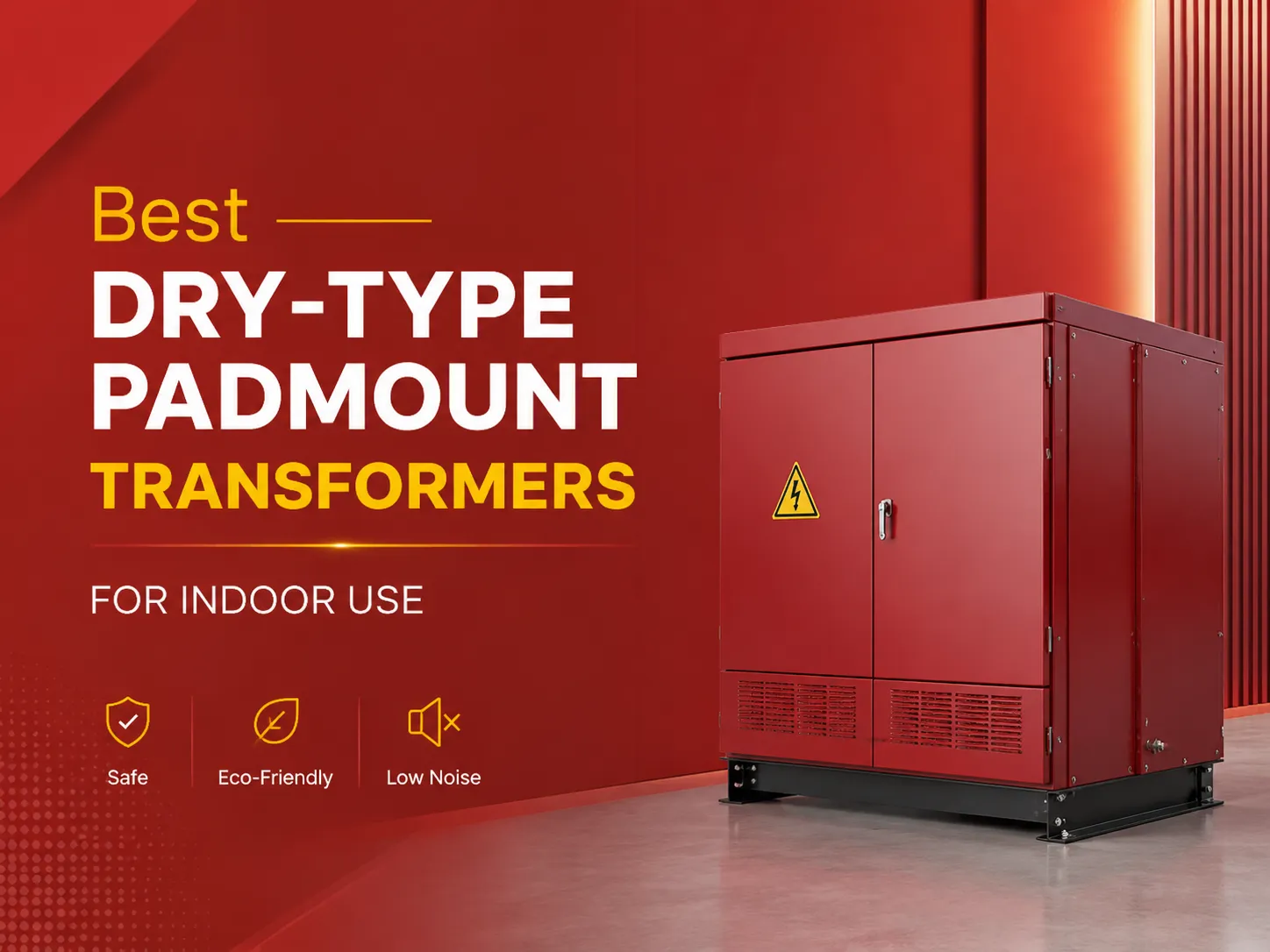
Dry type transformers are a type of electrical component used for containment and safety purposes without the use of insulating oil to electrically isolate components within the unit. Dry transformers can be considered safe alternatives to oil-filled transformers. Dry transformers utilize solid insulating materials such as epoxy resin or solid-state insulations to prevent electric fault from windings to the core, thus reducing the likelihood of fire or environmental damage.
It is important to select the correct type of dry type transformer for your application to ensure effective, safe, and economical operation in the industry, commercial buildings, and renewable energy. This guide will highlight the key types of dry transformers, applications of dry transformer types, leading global manufacturers, estimated price ranges, and common questions asked regarding dry-type transformers that will allow for informed decisions about purchasing a dry transformer.
Types Of Dry Type Transformers
Dry type transformers are divided into categories based on their insulating medium and cooling method. Each contains a specific transformer type designed for a specific environment and load requirement.
1. Cast Resin Transformers
Cast resin transformers are widely used in the dry transformer category and feature windings encapsulated in an epoxy resin. The resin is cast in a vacuum allowing the removal of air bubbles from the resin when it is poured, which produces a very strong waterproof/protective coating for each of the windings. The casting process, combined with the use of epoxy resin, produces a very durable transformer that is well-suited for extreme weather or environments.
- Core Advantages: Fire-resistant, protection against excessive moisture, low maintenance, and reduced noise levels.
- Applicable Scenarios: Urban power distribution, data centers, hospitals, offshore facilities, underground utility systems.
- Top Manufacturers: ABB, Siemens, and Schneider Electric.
2. Vacuum Pressure Impregnated (VPI) Dry Type Transformers
VPI dry type transformers utilize a vacuum process to fully impregnate the windings of the transformer with epoxy or polyester resin, providing complete insulation from the surrounding environment. The solidification of the resin occurs at high temperatures, resulting in a rigid, heat-resistant barrier. This type of transformer offers superior thermal stability and is well-suited for applications with high load requirements.
- Core Advantages: High overload handling capabilities, good heat dissipation, and suitability for extended heavy-duty use.
- Applicable Scenarios: Industrial facilities, steel mills, renewable energy systems (solar/wind), train traction power.
- Top Manufacturers: TBEA, Mitsubishi Electric, and WEG.
3. Air-Cooled Dry Type Transformers
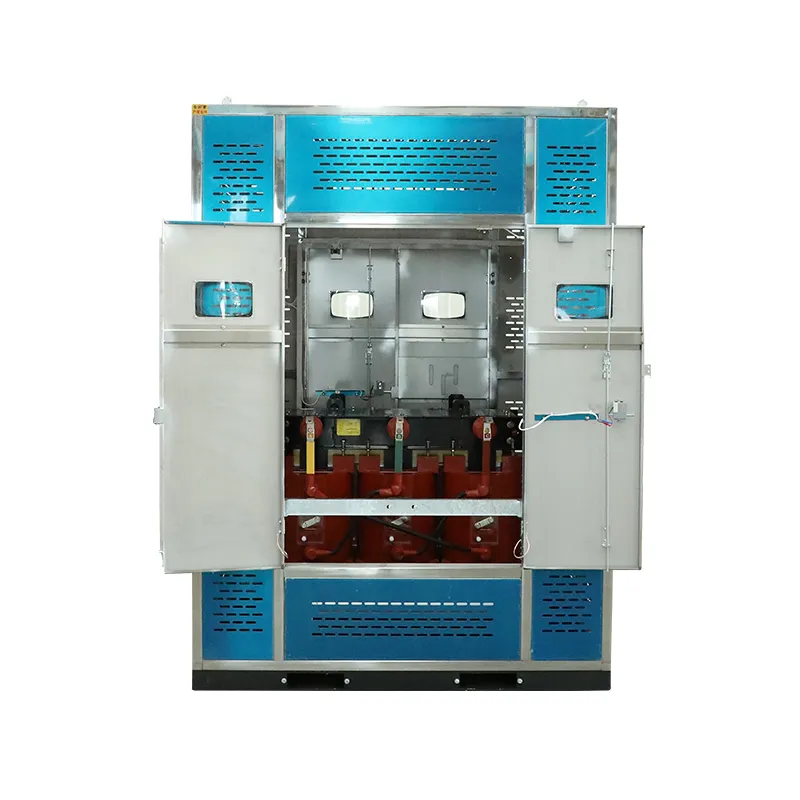
Air-cooled transformers rely on natural or forced airflow to dissipate heat from the windings and core. These transformers are lightweight, space-efficient, and affordable. They are suitable for low- or medium-load applications with limited available space.
- Core Advantages: Low installation cost, easy maintenance, and no need for cooling systems.
- Applicable Scenarios: Commercial structures, shopping centers, small manufacturing plants, multi-family housing.
- Top Manufacturers: Eaton, TE Connectivity, and Larsen & Toubro (L&T).
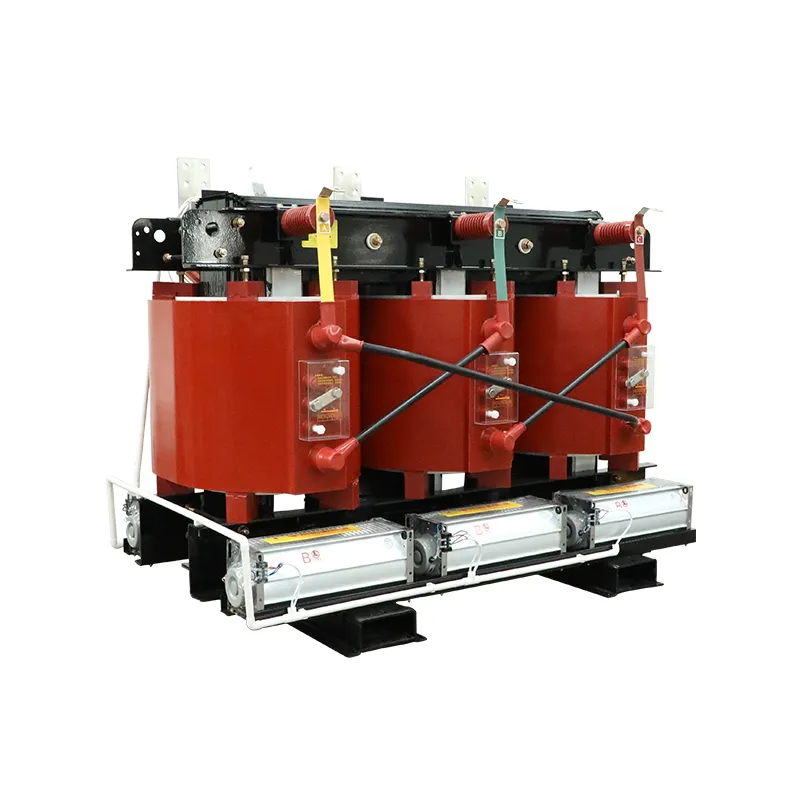
4. Encapsulated Dry Type Transformers
Encapsulated transformers have their windings partially coated in resin, while their core is exposed for improved heat dissipation. They balance the protection of cast resin transformers with the thermal efficiency of air-cooled models.
- Core Advantages: Cost-effective, good heat dissipation, and suitable for moderate humidity environments.
- Applicable Scenarios: Light industrial facilities, schools, and office buildings.
- Top Manufacturers: Hammond Power Solutions and Transformer Technologies.
Dry Type Transformer Comparison Table
| Transformer Type | Insulation Method | Key Benefit | Price Range (100kVA) | Best For |
|---|---|---|---|---|
| Cast Resin | Full epoxy resin encapsulation | Fire & moisture resistance | $15,000–$30,000 | Data centers, offshore platforms |
| VPI | Vacuum-impregnated epoxy resin | High overload capacity | $12,000–$25,000 | Steel mills, renewable energy |
| Air-Cooled | Solid insulation with air cooling | Low cost & compact size | $8,000–$18,000 | Commercial buildings, malls |
| Encapsulated | Partial resin coating | Balanced cost & protection | $10,000–$20,000 | Schools, light industry |
FAQ: Common Questions About Dry Type Transformers
What is the difference between oil-filled and dry type transformers?
Oil-filled transformers use an insulating fluid to cool and insulate their components, while dry type transformers use solid materials for insulation, such as epoxy resin. Dry type transformers offer improved safety compared to oil-filled products due to the lack of oil, minimizing the risk of leaks or spills. Additionally, they require less maintenance compared to oil-filled transformers and are eco-friendlier. However, oil-filled models provide better heat dissipation and are more suitable for high-load applications, particularly outdoors.
What are the 4 types of transformers?
The primary types of dry type transformers are cast resin, vacuum pressure impregnated (VPI), air-cooled, and encapsulated. Each has unique insulation methods and suitability for specific applications. Beyond dry type transformers, oil-filled models are a major category for applications requiring higher load capacities and efficient cooling systems.
What is the difference between a dry and a liquid-filled transformer?
The main difference is the insulating medium. Liquid-filled transformers use oil or synthetic liquids for insulation, whereas dry transformers use solid materials. Dry transformers are environmentally safer, with no risk of oil spills, and are better for enclosed spaces. Liquid-filled transformers, however, provide superior cooling for high-power applications.
Where are dry transformers used?
Dry transformers are commonly used in enclosed spaces where fire safety and environmental concerns are critical. Examples include data centers, hospitals, commercial buildings, underground utilities, offshore platforms, and renewable energy projects. They are also ideal for regions with stringent environmental regulations.
How long do dry type transformers last?
With proper maintenance, dry type transformers can last 25–30 years. Cast resin transformers tend to have longer lifespans due to the durability of their insulation. VPI transformers may require more frequent inspections for winding integrity, especially in high-load environments.
What maintenance do dry type transformers need?
Maintenance includes cleaning windings to remove dust, checking connections for tightness, inspecting insulation for cracks, and testing temperature sensors. Cast resin transformers require minimal maintenance, while VPI transformers may need periodic insulation resistance testing.
Choosing the right dry type transformer depends on application, load requirements, and environment. Cast resin types are ideal for harsh or sensitive spaces, VPI models excel in high-load industrial settings, and air-cooled or encapsulated types provide cost-effective solutions for commercial and light industrial use. Global manufacturers like ABB, Siemens, and Eaton offer reliable options, with prices ranging from $8,000 to $30,000 for 100kVA units. By understanding these types, you can balance efficiency, safety, and long-term value for your project.