If you happen to be driving along any neighborhood street, you’re very likely to see on a pole a canister which is actually a power pole transformer (or also known as a pole-mounted transformer or distribution transformer); these small, seemingly insignificant devices are an important part of the electrical grid and are responsible for converting electricity into a usable and safe form for our homes, businesses, and industrial facilities. This guide outlines what a power pole transformer is, how it works, the average costs of these pieces of equipment, their maintenance requirements, and answers questions commonly asked about them.
Core Function: What Does a Power Pole Transformer Actually Do?
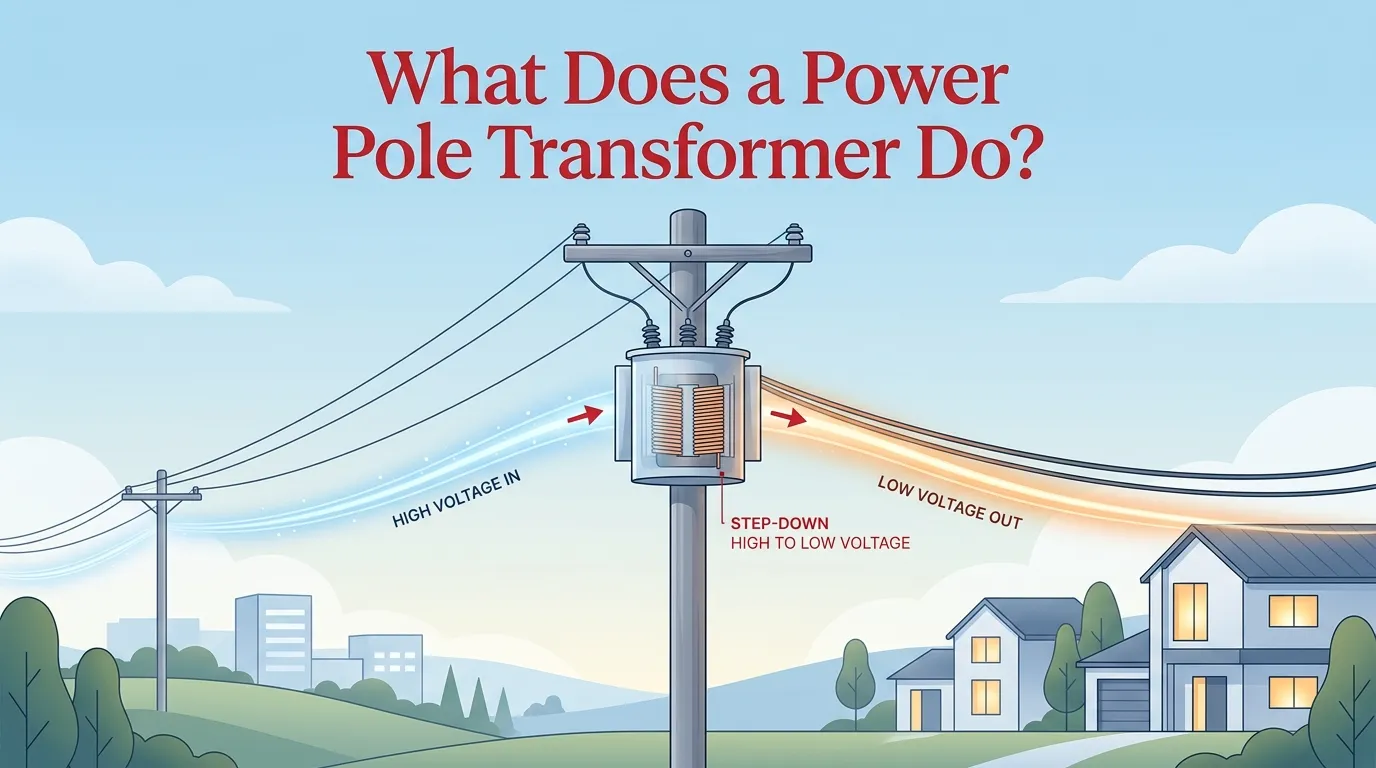
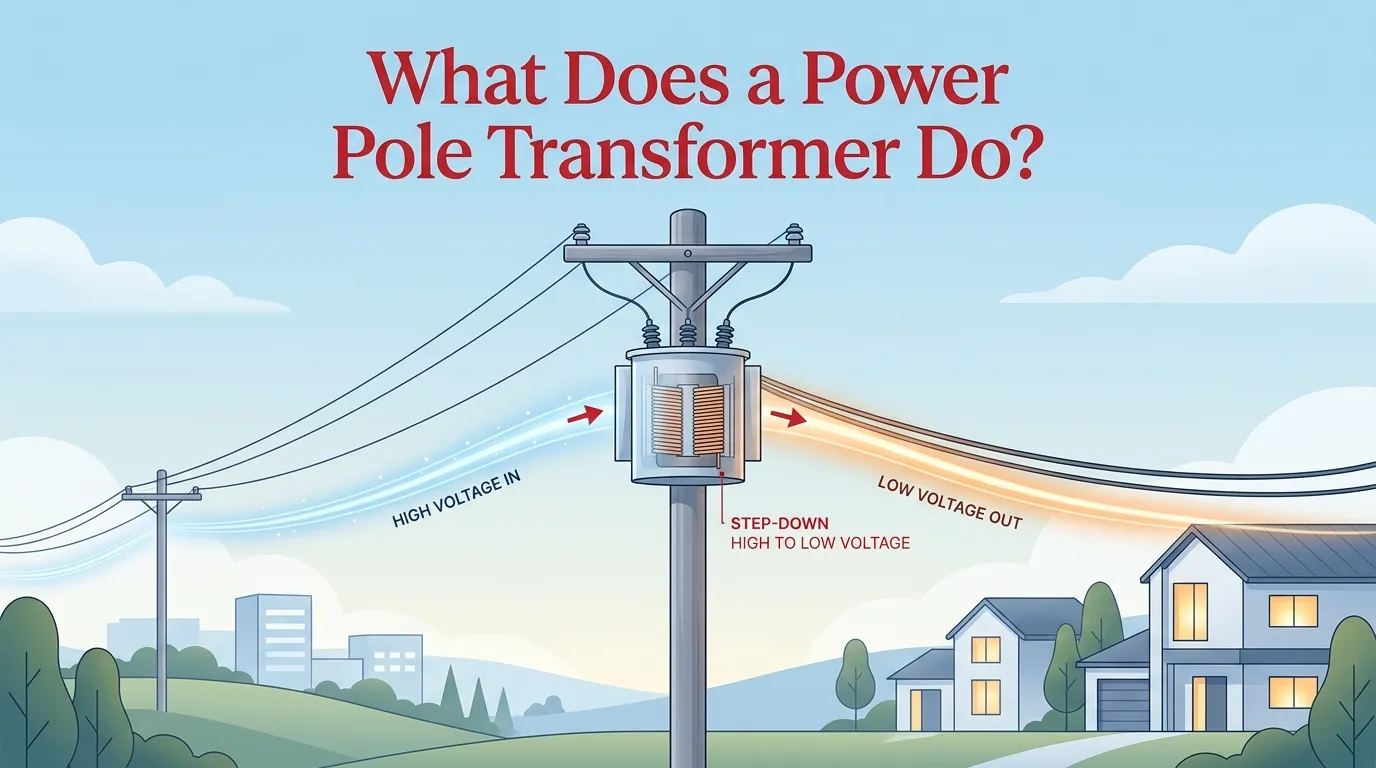
At its most basic level, a power pole transformer changes high voltage electricity, which is carried to customers over transmission lines, into much lower, safer voltage levels that are appropriate for everyday use. Here’s a step-by-step guide to how a power pole transformer converts high voltage to usable voltage for electrical devices in the home or business:
- Receives High Voltage Electricity from Transmission Lines: Transmission lines typically will carry voltage ratings from between 11,000 volts (11kV) to 345,000 volts (345kV)—which is way too much voltage to be delivered directly to homes and businesses!
- Steps Down the Voltage: A power pole transformer uses electromagnetic induction to convert high voltage electricity into an electrical voltage that is within a standard zone; therefore, residential voltage does not exceed 120 volts (120V) or 240 volts (240V), while commercial establishments typically use 480 volts (480V) of power.
- Distributes Usable Electricity: Once the transformer has stepped down the voltage, usable electricity is delivered to individual customers through either overhead or underground electrical lines—powering everything that uses electricity, including lights, heating and cooling systems, and appliances.
For industrial sites or large commercial businesses, three-phase pole-mounted transformers are used to deliver 208V/480V for powering industrial machinery and other types of commercial equipment.
How Does a Power Pole Transformer Work? (Simplified Explanation)
Transformers operate using the principle of electromagnetic induction. Here are three key components:
Primary Winding (Coil): This connects to high voltage transmission wires and usually has hundreds of turns of copper wire.
Secondary Winding (Coil): The secondary winding has fewer turns than the primary winding and connects to the distribution wires. The number of turns on each winding determines how much the voltage is reduced.
Core & Insulation: An iron core focuses the magnetic field between the two coils, while mineral oil or silicone gel provides insulation, heat dissipation, and cooling.
As alternating current flows into the primary winding, it generates a magnetic field in the iron core, which induces a lower-voltage alternating current in the secondary winding. The coolant inside prevents the transformer from overheating during use.
Key Specifications, Costs, and Brands
| Specification | Details |
|---|---|
| Typical Sizes | Residential: 10kVA–100kVA; 3-phase industrial: 100kVA–5MVA |
| Weight | 500–1,000 lbs for residential; 5,000+ lbs for industrial |
| Cost | Residential: $3,000–$10,000; 3-phase industrial: $15,000–$50,000+ (labor costs $1,000–$5,000) |
| Copper Content | 50kVA model contains ~100–150 lbs of copper |
| Top Brands | Siemens, Eaton, ABB, Cooper Industries |
Common Issues & Maintenance Tips
Power pole transformers are typically designed to last 20–30 years, but over time, they can experience certain issues. Here’s what to watch for:
Buzzing/Noise: It is normal for transformers to produce a soft hum when operating. Excessive buzzing, however, may indicate loose electrical components or overloading.
Oil Leaks: Leaking oil reduces insulation and cooling capabilities, leading to excessive heating. If you notice oil dripping from a transformer, contact your utility company immediately.
Sparking or Arcing: Visible sparks or flashes from a transformer or its connections signal a severe fault, which may result in fires or explosions. Evacuate the area and call emergency services.
Blown Fuses: Transformers are equipped with protective fuses that blow during overloads or short circuits. A blown fuse interrupts power, requiring replacement by a utility technician.
Utility companies conduct regular maintenance, including oil testing, insulation checks, and load monitoring, to minimize the risk of failure. Homeowners should avoid climbing poles, touching transformers, or letting vegetation grow within 10 feet of a transformer to prevent overheating.
FAQ: Common Questions About Power Pole Transformers
What is a transformer on a power pole?
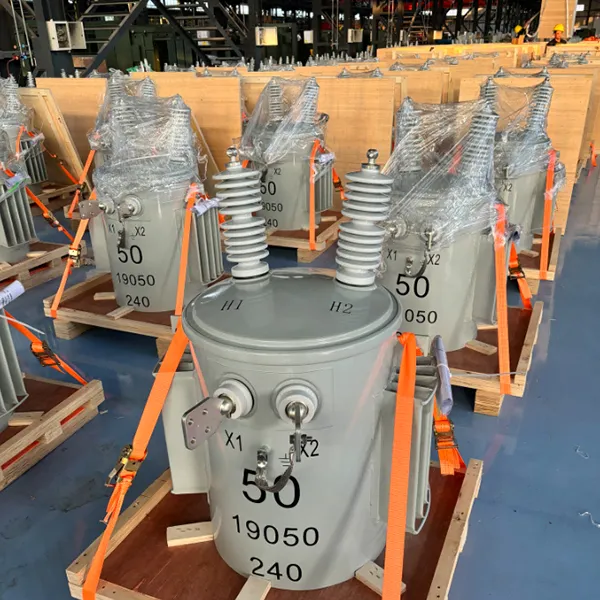
A transformer on a power pole (or pole-mounted transformer) reduces high-voltage electricity from transmission lines to the lower voltages used in homes and businesses. It is a critical part of the electrical distribution system, ensuring safe and reliable power delivery.
What is a powerline transformer?
A powerline transformer is another term for a distribution transformer, which includes both pole-mounted units and ground-mounted transformers used in urban areas or underground systems. Its core function is the same: converting high-voltage power to usable levels for customers.
What is a pole transformer?
A pole transformer is a compact, weatherproof transformer mounted on a utility pole. It is the most common type of distribution transformer in rural and suburban areas, where overhead power lines are prevalent.
How much does a powerline transformer cost?
The cost of a powerline transformer varies by size and type. Residential pole-mounted transformers typically cost $3,000–$10,000, while larger 3-phase industrial models can exceed $50,000. Replacement costs include labor, which can add $1,000–$5,000 depending on accessibility.
How long does it take to replace a power pole transformer?
Replacing a power pole transformer usually takes 2–4 hours, provided the utility has the replacement unit available. Complex installations or large industrial transformers may take longer.
Power pole transformers are an essential component of the electrical grid, connecting high-voltage transmission systems to the usable electricity that powers homes, businesses, and industries. By stepping down voltages, these devices facilitate safe energy usage while reducing inefficiency. Understanding their operation, maintenance, and costs can help you recognize their importance and take action when needed. Whether you’re a homeowner curious about the transformer near your property or a business owner planning for expansion, having knowledge about power pole transformers empowers you to make informed decisions about your electrical infrastructure needs.