When selecting a transformer for your electrical system, the choice between an autotransformer and an isolation transformer can significantly impact safety, efficiency, and cost. At a glance, autotransformers share a single winding between input and output, making them cheaper and more compact, while isolation transformers use separate windings to provide galvanic isolation, prioritizing safety and noise reduction. This guide breaks down their design, applications, and trade-offs to help you choose the right transformer for your needs.
What Is an Autotransformer? Design & Key Features
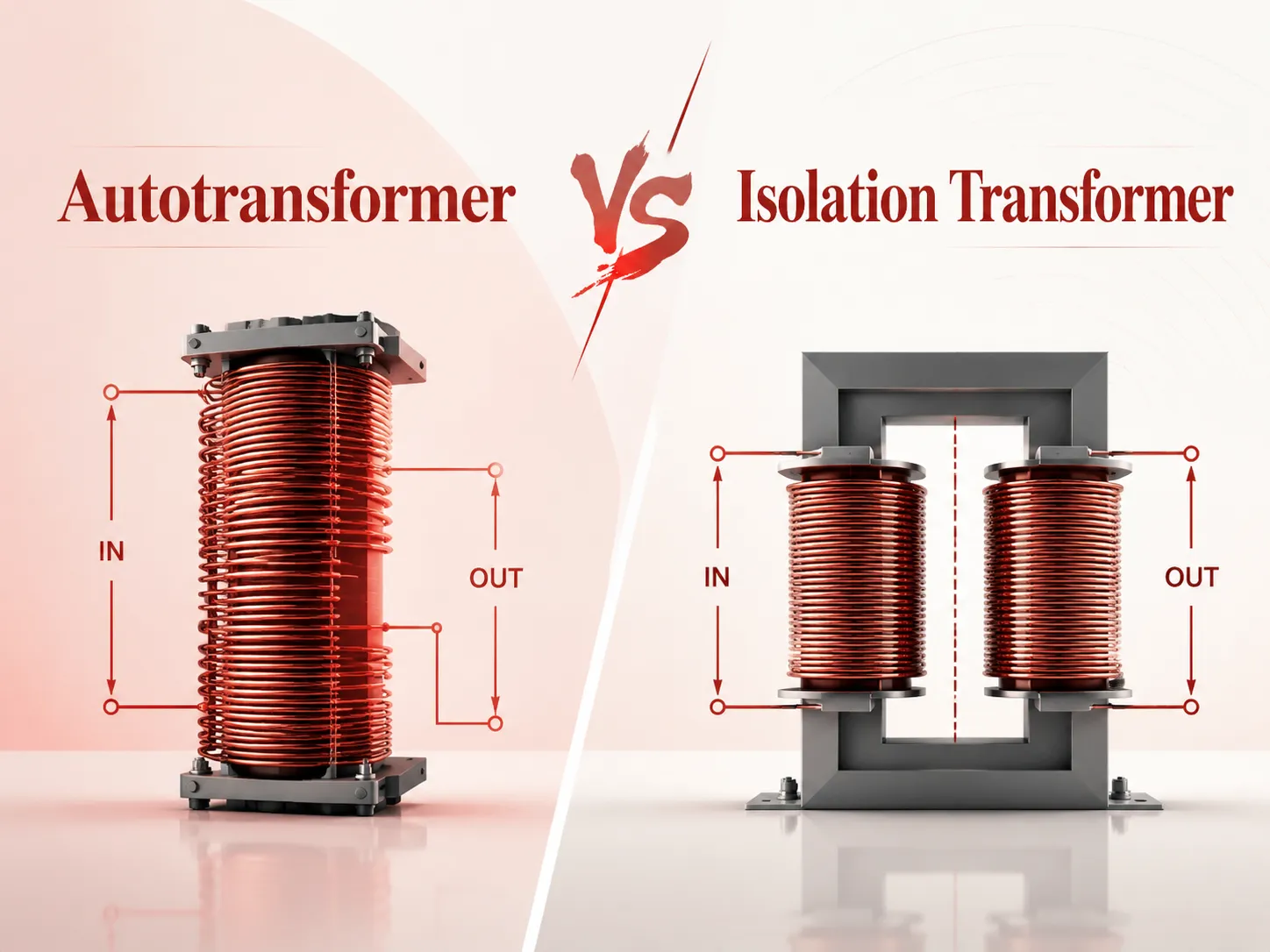
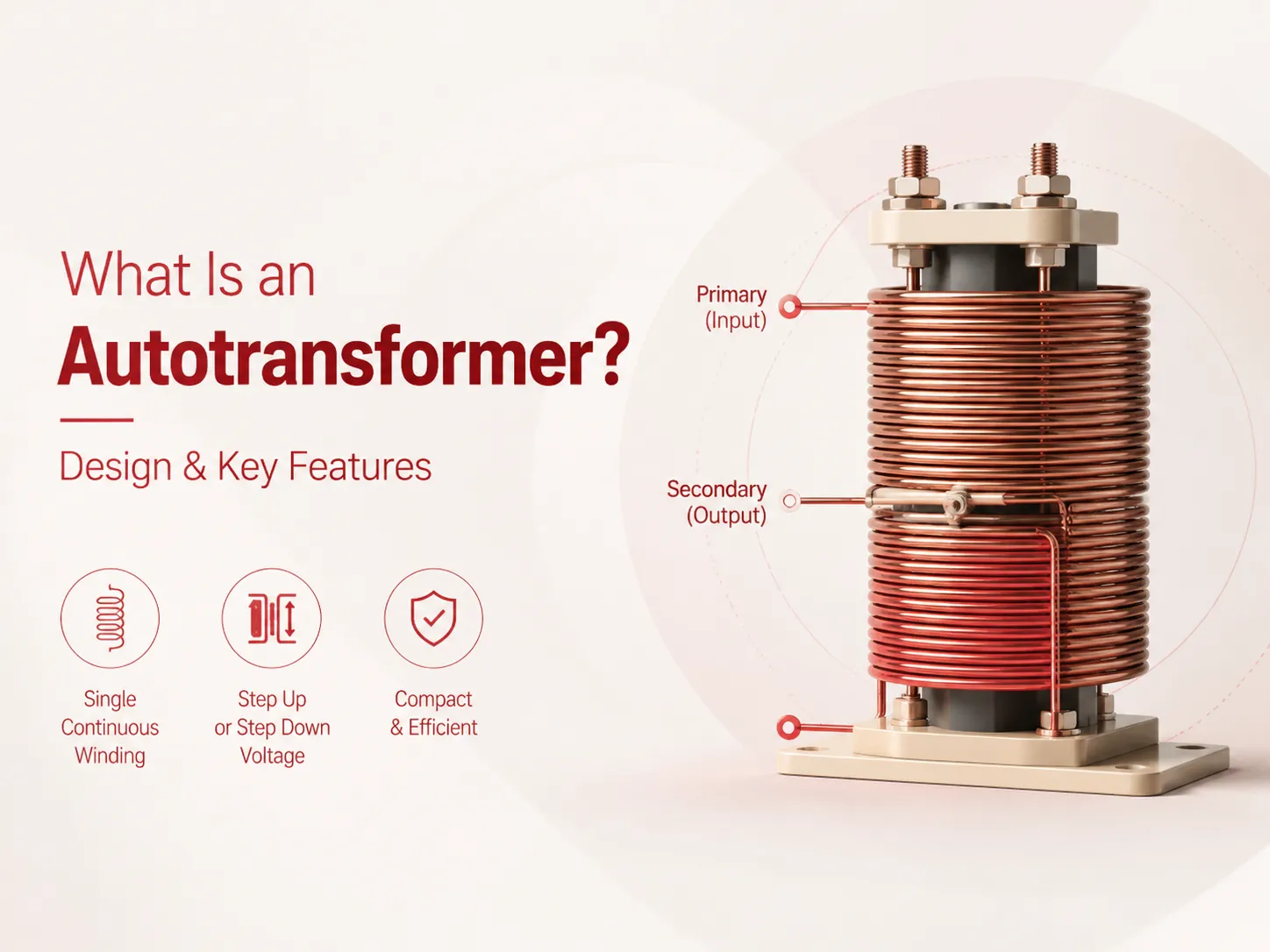
An autotransformer is a type of transformer that has a single continuous winding for both the primary and secondary circuits. The primary circuit uses one portion of the winding while the secondary circuit uses another portion; electrical energy is transferred through both magnetic induction and direct electrical connection. Most autotransformers step voltage up or down (e.g., 120V to 240V or vice versa) and maintain a compact footprint.
Key features of an autotransformer include:
- Single Winding Design: Provides a smaller and lighter product for the same power capacity.
- High Efficiency: Typically 95–99% efficient due to minimal energy loss in the iron core.
- Cost-Effective: Requires fewer materials, which reduces manufacturing costs.
Applications include voltage regulation in power grids, motor starting in industrial settings, and voltage conversion for travel adapters. Top brands like Siemens and Eaton offer autotransformers priced between $100–$500 for low-capacity models.
What Is an Isolation Transformer? Safety & Noise Reduction
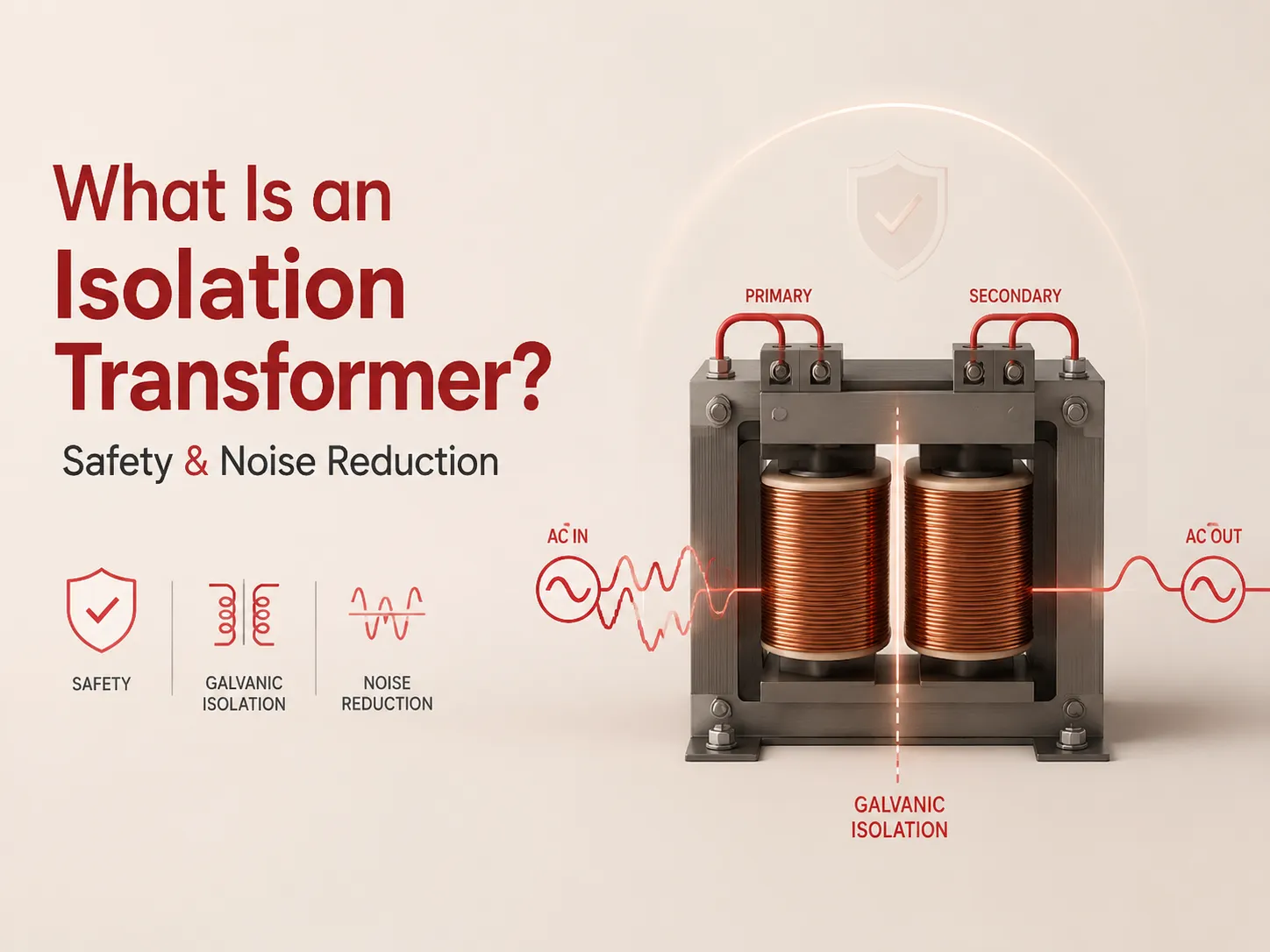
An isolation transformer uses two separate windings (primary and secondary) with no direct electrical connection. Energy is transferred solely through magnetic induction, creating galvanic isolation between the input and output sides. Isolation transformers often have a 1:1 turns ratio (same input/output voltage), but some models can step voltage up or down while maintaining isolation.
Key advantages of using isolation transformers include:
- Galvanic Isolation: Eliminates dangerous ground loops and prevents electric shocks by separating input from output completely.
- Noise Filtering: Reduces electrical noise and harmonics, ideal for sensitive electronics like medical equipment and audio systems.
- Safety Compliance: Often required in medical facilities, data centers, and hazardous industrial environments to ensure safety.
Top brands such as Tripp Lite offer residential models starting at $50, while HUYU Electric provides industrial models starting at $200.
Autotransformer vs. Isolation Transformer: Key Differences
The table below summarizes the differences between the two transformer types:
| Feature | Autotransformer | Isolation Transformer |
|---|---|---|
| Winding Design | Single shared winding | Two separate windings |
| Galvanic Isolation | No (direct electrical connection exists) | Yes (no direct connection between input/output) |
| Safety | Risk of electric shock if winding is damaged | Highly safe; prevents shock even with faults |
| Noise Reduction | Minimal; does not filter electrical noise | Excellent; eliminates ground loops and harmonics |
| Size & Weight | Compact and lightweight | Larger and heavier for same capacity |
| Cost | 20–50% cheaper than isolation transformers | Mid-to-premium pricing |
| Best For | Voltage conversion, motor starting, power grids | Medical equipment, audio systems, sensitive electronics |
4 Common Types of Transformers: Beyond Autotransformers & Isolation Transformers
While autotransformers and isolation transformers are widely used, there are two other primary transformer types:
- Power Transformers: Designed for high-voltage transmission in power grids, stepping voltage up for long-distance travel and down for residential use.
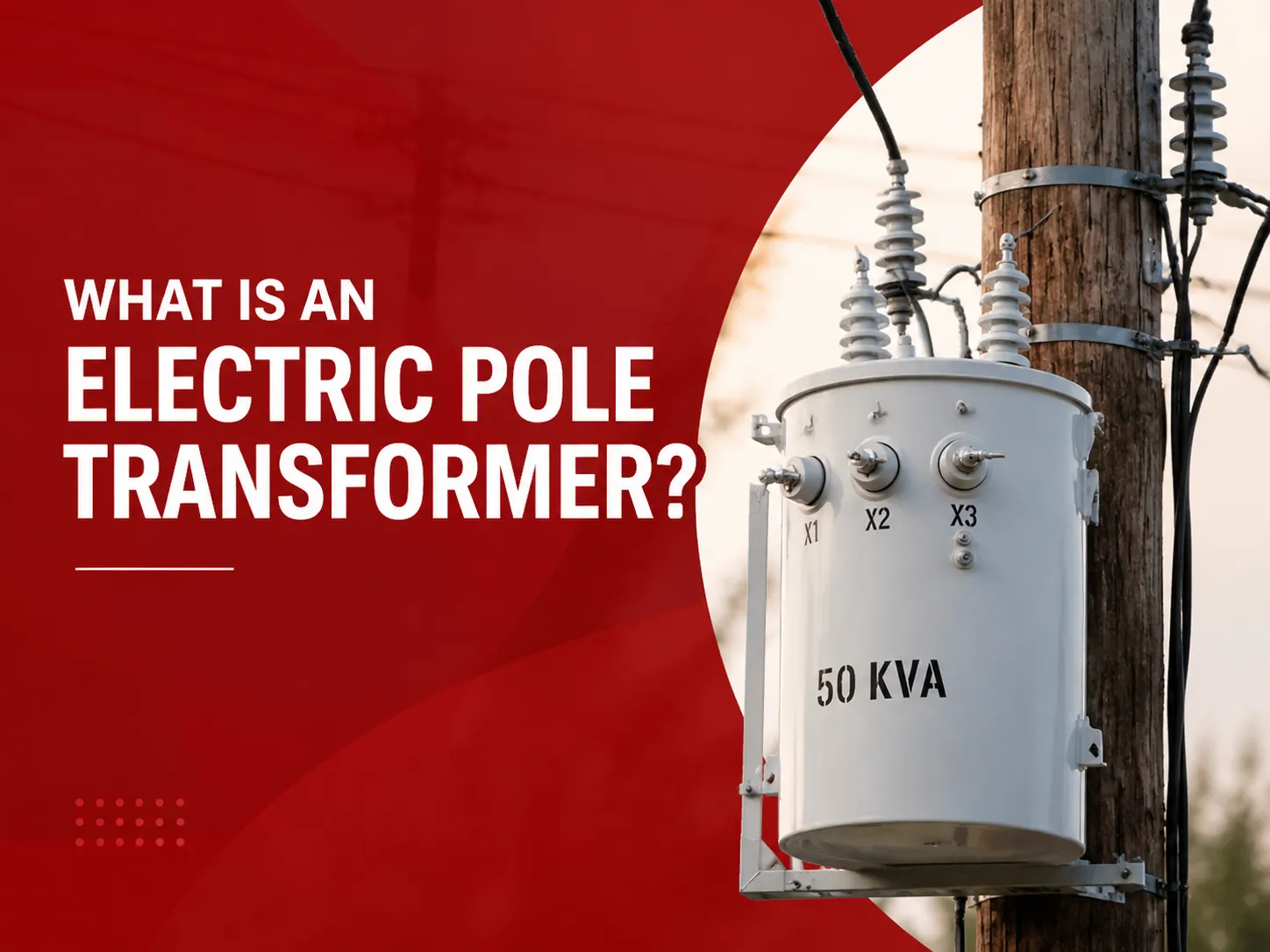
- Distribution Transformers: Used on utility poles to convert high-voltage grid power to 120/240V for homes and businesses.
These four types—autotransformers, isolation transformers, power transformers, and distribution transformers—address the majority of residential, commercial, and industrial applications.
FAQ: Common Questions About Autotransformers & Isolation Transformers
What is the difference between isolation transformer and autotransformer?
The main difference lies in their winding design and function. Autotransformers use a single shared winding, making them smaller and cheaper, but they lack galvanic isolation. Isolation transformers use two separate windings, ensuring the primary and secondary sides are electrically isolated, which improves safety and reduces noise.
What is a disadvantage of an autotransformer?
The primary disadvantage of an autotransformer is its lack of galvanic isolation. In the event of a winding fault, a direct electrical path is created between the input and output, risking electric shocks or equipment damage. They also fail to filter electrical noise, making them unsuitable for sensitive electronics or environments requiring high safety levels like medical facilities.
What are the 4 types of transformers?
The four main types of transformers are: 1) Autotransformers: Single winding design for voltage conversion, 2) Isolation Transformers: Separate windings for safety and noise reduction, 3) Power Transformers: High-voltage transmission applications, and 4) Distribution Transformers: Convert high voltage power to residential or commercial voltages.
When would you use an autotransformer?
An autotransformer is ideal for situations where compact size, lower costs, and efficiency are prioritized over safety concerns. Applications include voltage stepping in power grids, motor startup in industrial settings, voltage conversion for travel adapters, and audio system impedance matching.
Ultimately, choosing between an autotransformer and an isolation transformer hinges on your priorities. Autotransformers excel in cost reduction, small size, and energy efficiency, making them suitable for voltage conversion or industrial processes. Conversely, isolation transformers prioritize safety and noise mitigation, serving electronic devices like medical tools and audio systems. Whether your focus is cost-effectiveness or compliance with safety standards, this guide helps navigate available transformer types for optimal performance and reliability in electrical systems.