Having arable land or enough capital is just the beginning. Understanding how solar farms function means going through a long process of making decisions about where to locate the solar farm, how large the facility will be, who will purchase the generated power, if the electrical grid will accept it, how to obtain necessary permits, how to finance the project, and how to construct it. Most solar power projects fail not because of technical problems but because of bad land choice, difficulties in terms of grid connection, delays with receiving permits, or unfeasible financing. The guide below offers a step-by-step description of what the process of solar farm construction looks like for investors and developers and suggests cost and timeline figures.
How do you start a solar farm? In order to construct a solar farm one should define the dimensions and business model of the project, find and secure the land for construction, confirm the location of the nearest connection to the grid, make sure that the expected returns on energy production are good enough, obtain all necessary permits, find a buyer for electricity, and get financing for the project. The construction of such facilities will cost approximately $1.70 per watt AC and take over five years.
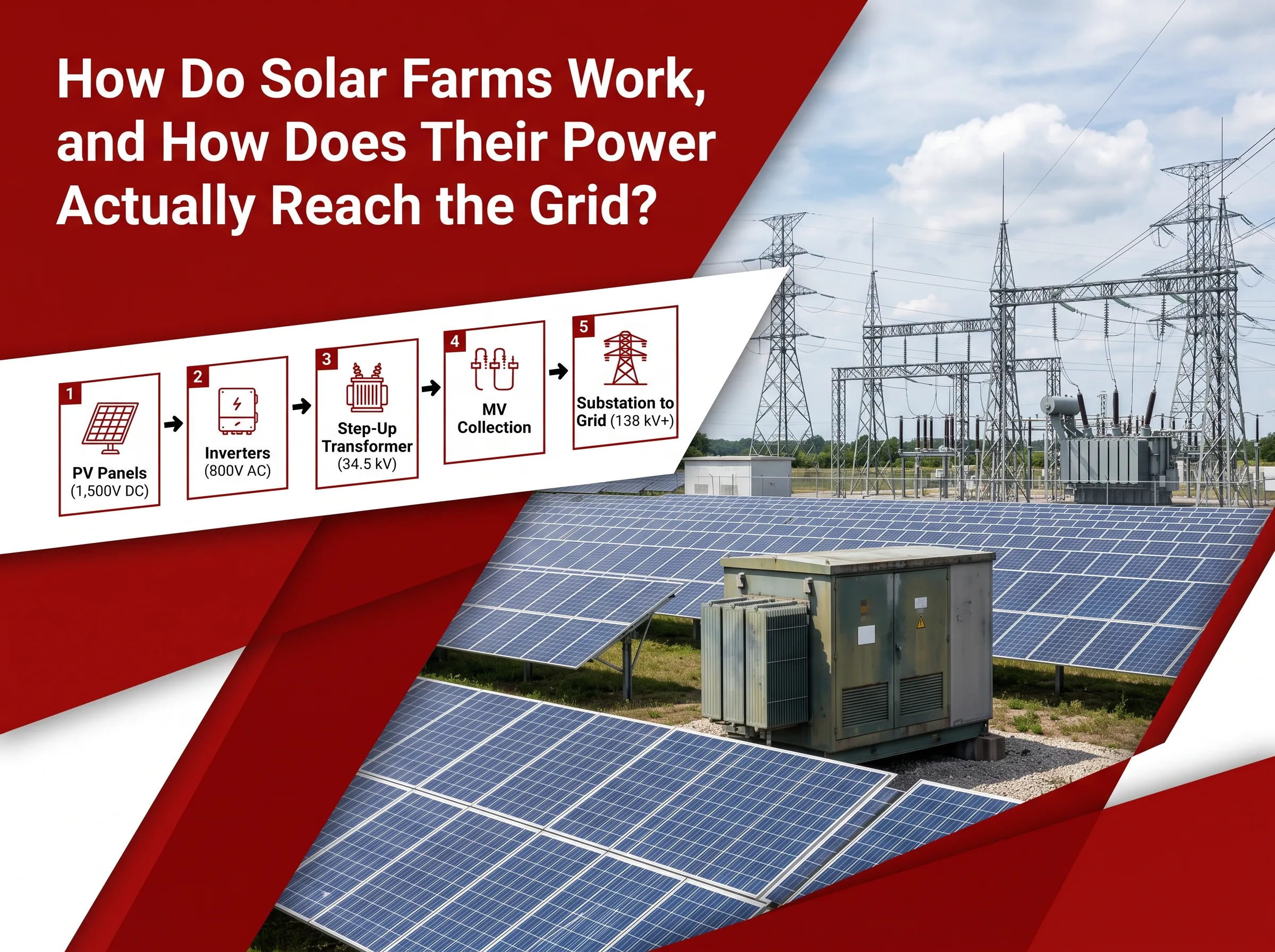
If you want to understand what the equipment in a solar farm does before you plan one, start with our explanation of how solar farms work. This article focuses on the development process itself.
What Do You Need to Start a Solar Farm?
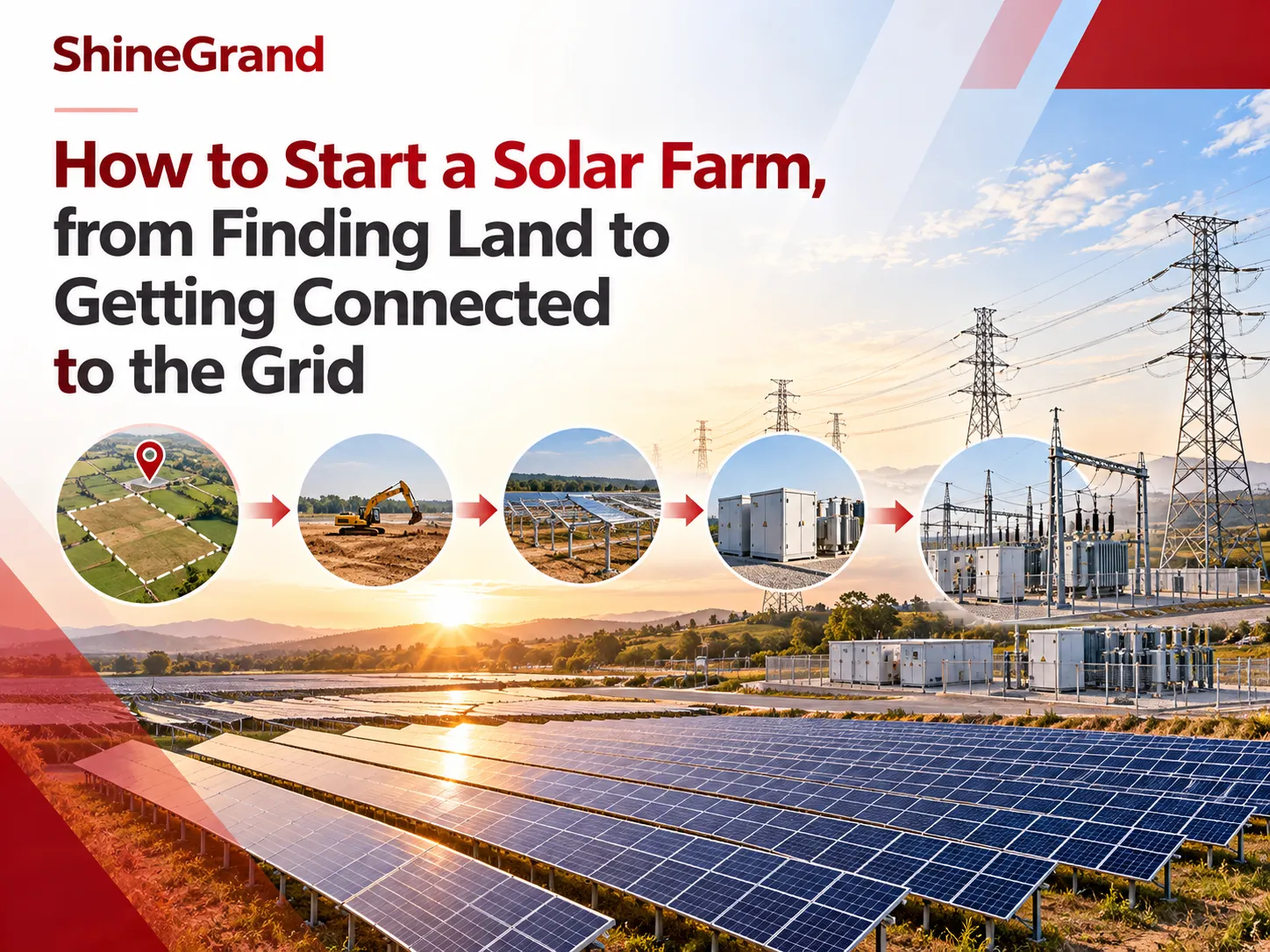
The requirements of how to start a solar project vary from country to country, from the type of project being done and land conditions to the local electricity market. Mostly, substations and community solar projects follow the same ten stages, which are:
1. Define a project: define the capacity, ownership and a business model.
2. Select a site: define the sunlight, land, accessibility and environmental issues.
3. Obtain land rights: negotiate the purchase, lease or an option of lease.
4. Analyze connection to a grid: locate the available interconnecting point and queue up.
5. Analyze the feasibility: determine the amount of energy produce, usage and costs.
6. Obtain necessary permits: providing for zoning, environmental and construction permits.
7. Arrange revenue and financing: arrange for selling electricity and financing the project.
8. Engineering aspects: determine the structure of electricity generation and main equipment.
9. Procurement and construction: acquiring the necessary equipment and construction of the facility.
10. Tests and commissioning: performing inspections, transferring to the new owner.
Processing of these stages, however, is done concurrently, rather than in succession. For instance, issues concerning land, connection, permitting and feasibility are processed at the same time, as one can affect the status of the other. For instance, if there is a restriction in a permit, this may reduce the amount of usable land.
Step 1: Define the Project and Business Model
Before looking at land, decide what kind of solar farm you are trying to build. Three questions shape everything that follows.
How big will it be?
- Projects associated with small areas or distribution contact with different capacity ranging from 1 to 5 MW are connected to local address lines and have the ability to be implemented faster. Availability of mid-sized projects with the capacity range from 5 to 50 MW makes it possible to connect to either distribution or sub-transmission wires with the use of dedicated substations. Large utility-scale projects ranging from 50 MW to several hundreds of MW are also connected to the transmission network.
Who will buy the power?
- A utility or organization customer with a long-term power purchase agreement (PPA), which ensures predictable income and is usually a prerequisite for financing.
Solar community subscribers, where the program is available, who get discounts on their electricity bills.
A single business or industrial consumer close to the location.
The wholesale market directly (merchant), with potential benefits but also the risk of price fluctuations that lenders dislike.
Will you build and own it, or develop and sell?
Some developers give the project all the necessary preparation of land, interconnection, and permits then sell the ready-to-build project to a bigger entity interested in financing and developing it. Other developers go through project deployment and run it for many years afterward. If a landowner is just interested in getting rent payments, they can just rent their land to a developer and keep away from any development.
Step 2: Find a Suitable Site
According to the US Department of Energy, determining a site for a large solar project requires many considerations including the following: who will buy the electricity, the costs of interconnection, transmission access, topography, land costs, zoning regulations, wildlife and environmental impact as well as the aspirations of the community where the project takes place. In practice, the developers evaluate sites according to a list that includes the following elements:
Solar resources: solar power is higher for locations with a lot of sunlight.
Land area: utility-scale solar typically requires 5 to 10 acres per MW.
Topography: flat land is desirable so as to lower the expenses of grading and building.
Distance from the substation: cost of connection line is lower the closer to the substation it is located.
Floods and soil and geotechnique condition: presence of floodplains, wetlands or shallow bedrock.
Environmental limitations: presence of endangered species.
Access: appropriate roads for heavy loads.
Zoning and local attitude: counties that allow solar installations will make the projects easier to carry out, while some counties will put restrictions on solar energy installations.
Thus, one of the commonest mistakes that project designers make is choosing the land first and checking its viability later.
Step 3: Secure Land Rights
It is uncommon for developers to purchase land upfront. In most cases, they’ll enter into an option-to-lease deal so that, for a small fee, the developer gets the exclusive option to investigate the land and, in the future, enter into a lease for a period of 20 to 40 years, with the option to renew it. Thus, initial costs are kept low, while the project remains uncertain.
A proper land deal includes all necessary information about the lease duration, annual rent and its increase, the part of the land included in the lease, as well as the access rights to the site and easements for interconnection line installation, as well as who is responsible for property taxes and site restoration. Additionally, developers conduct title investigations and land surveys to make sure the land rights are in order.
The leasing rates differ significantly from one region to another, and depending on the quality of land as well. In general, lease rates range from several hundred to about two thousand dollars per acre depending on the competition in the market, so in the regions with good grid connections some developers pay even higher rates. For farmers, this brings a lot of benefits in terms of getting much better rent than with farming.
Step 4: Evaluate the Grid Connection
The crucial step that dictates the possibility of a solar farm being set up or not is the one in question. The grid connection ultimately indicates the amount of power that can be exported, how long you are going to wait and how much you are going to pay for any additional upgrades.
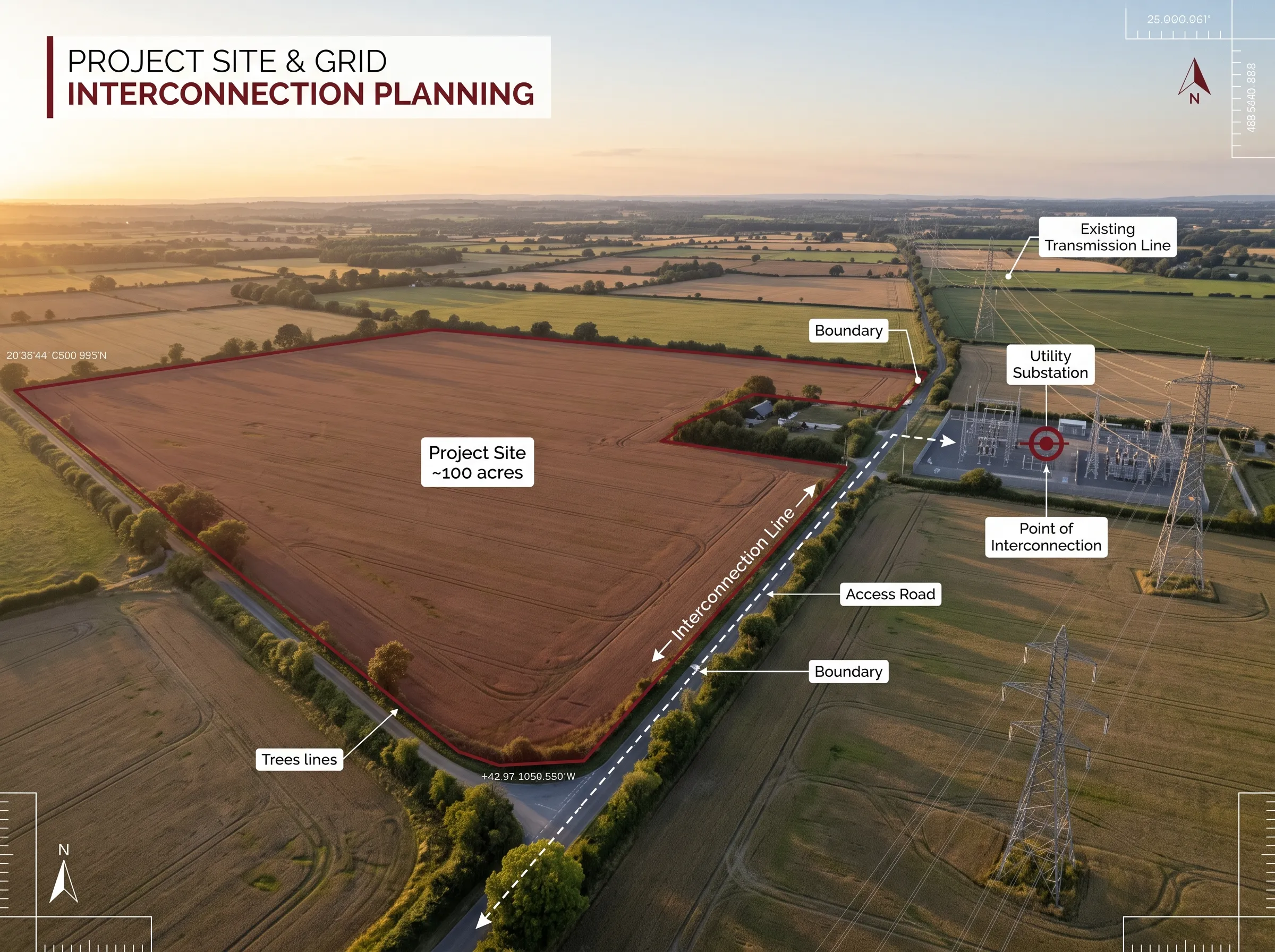
Find a viable point of interconnection
The point of interconnection is where your project connects with the utility’s grid, usually at either a substation or along a line. Identify adjacent substations or lines, their voltage, and how much excess capacity they provide. Many utilities publish hosting capacity maps containing this information and grid managers publish queue information indicating how many other projects have applied to connect in the same location. If the area is populated by queued projects, it can be assumed upgrading the substation will be a costly affair.
Understand which process applies
In the world today, there is not one single process of interconnection. The actual requirements you have to fulfill differ depending on the actual circumstance:
1. Smaller projects connected to distribution lines will have to implement interconnection standards at the state or utility level.
2. Bigger projects connected to transmission lines in the US will have to follow the rules set by the regional transmission operator or transmission utility, which are controlled by the Federal Energy Regulatory Commission.
3. In the rest of the world, the process is regulated by national authorities and operators following the recommendations of such organizations as the grid codes and the local transmission or distribution operator.
How a typical US interconnection process works
Most of the processes that take place at the level of transmission are as follows:
1. Pre-application phase: dialogue and information request between the utility company and an applicant regarding the potential point of interconnection.
2. Interconnection request stage: a formal application containing the technical details of the project in addition to the deposits for studies and proof of ownership of the land.
3. Interconnection studies stage: the grid operator evaluates the output of the new project on the general functioning of the power grid simultaneously with other developments in the region.
4. Cost allocation phase: the studies determine the necessary upgrades of the power network, as well costs of the upgrades. At this stage, many projects fail because of high expenses.
5. Interconnection agreement stage: after the studies have been completed and all costs have been accepted, an interconnection agreement is signed indicating all technical characteristics, time frames, etc.
6. Construction of the interconnection facilities stage: while the owner of a new project is creating their production facility, the energy supplier is making all necessary upgrades.
FERC Order No. 2023 and why queues matter
Long wait times for interconnection have proved to be a significant impediment in the industry. In July 2023, the Federal Energy Regulatory Commission (FERC) introduced reforms to generator interconnection requirements for companies that operate under its supervision. The salient components of these reforms include the establishing of beside a protocol of connecting projects known as the “first-ready, first-served” principle as opposed to taking only one project at a time, introducing requirements for monetary deposits and land control during queue entry and maintenance, setting strict deadlines for completing studies, and imposing punishments on network operators for missed deadlines. This regulation is limited to FERC-jurisdictional grid interconnections in the United States.
The seriousness of the problem is highlighted in a report released by Lawrence Berkeley National Laboratory, called Queued Up 2026. By the end of the year 2025, there were 1,312 gigawatts of electricity that aspired to get connected to the grid and of that number, solar energy claimed 773 gigawatts. For power plants that came online in 2025, it took over 5 years from the moment they applied for interconnection to the moment they could begin operations, while only a small fraction (13%) of facilities that applied for interconnection during 2000-2020 managed to start operations by 2025.
Thus, there are a couple of practical recommendations for developers of power generation plants:
Take initiative from the very beginning while only choosing locations that guarantee them control over the land and promising future;
Be prepared to cover the costs of studies and understand that investments into network upgrades remain an open question until the completion of the studies;
Sometimes a smaller project connected to the distribution network will be able to go through the process faster than a larger project connected to the transmission network;
It is worth reaching out to the company that operates the network in advance since they will very likely be informed on which of the substations have capacity.
Step 5: Study Feasibility and Model the Returns
After acquiring a proposed site and having an understanding of the grid connection options, one has to determine the project’s profitability. It is done through an assessment of expected energy output considering the financial model.
NREL provides a free feature known as the PVWatts calculator, which offers annual production estimates based on the location, output of the project, angle of modules and if the system has tracking installed. This tool can be used for initial calculations. For financing purposes, more detailed assessments can be used, including P50 and P90 estimates.
A simple financial model for a solar farm includes the following items:
Capital costs: panels, inverters, structures, electrical equipment, civil works, connection to grid, costs of development and financing.
Energy output: always on annual basis with degradation usually equal to 0.5%.
Earnings: price under PPA, possibility to sell electricity on the market and receive renewable energy certificates.
Operating costs: expenses on operations and maintenance, land leasing, insurance, property tax, asset management and inverter replacements.
Costs of financing: costs of debt and equity financing, tax treatment and available incentives.
It should also be taken into account that the incentive schemes are changing all the time and sometimes they are changed significantly. For example, in the US, the tax credits for solar were changed significantly due to legislative initiatives in 2025 and any project using those credits has to make sure with a tax advisor that they are still applicable and based on the new regulations in force, not old information.
Step 6: Obtain Permits and Engage the Community
The permitting process often represents the most arduous task in the development process and depends on the location of the project.
The local permitting process usually involves local zoning approval or conditional use approval, which entails setbacks, screening requirements, fencing, and height restrictions. Environmental assessments of flora and fauna, wetlands, cultural and historical places may also be included in the permitting process. Projects that have federal connections may cause the triggering of the NEPA review requirement, if applicable in the USA. The permitting process typically involves permits for stormwater, soil erosion and grading, glare, and visual impact assessments at certain locations. It also may require the submission of a decommissioning plan that may be attached to the appeal in the first application, as well as building permits in the process. Furthermore, the Department of Energy insists on considering community needs in solar panel projects, which makes these projects more successful. The projects are approved if they engage community in the projects, explain the plan, understand the requirements of the community and its possible concerns, and provide benefits to the community.
Step 7: Arrange Revenue and Financing
Before financing construction, lenders and investors need assurance that their revenue will be secure. For most projects, this involves signing a PPA with a financially sound buyer. In community solar projects, it requires either gaining sufficient subscribers or obtaining an anchor subscriber.
For utility-scale solar, financial support is often a combination of sponsor equity, project financing and, typically, tax equity (which is especially common in the US, due to tax advantages) from investors. Smaller projects may get financing through commercial loans or equipment finance. Lenders will review all land leases and agreements, interconnection agreement, permits, PPAs, energy yield assessment, equipment purchase orders and EPC contract before agreeing to provide financing.
How Much Does It Cost to Start a Solar Farm?
The price of beginning a solar farm relies on factors such as the size of the solar farm, the location, technology and grid connection expenses. According to an analysis done by the Berkeley Laboratory, the median installed price of a utility-scale solar power project was close to $1.70 per watt AC. This figure is a minor rise compared to the previous year’s price of $1.64 per watt AC.
Therefore a reasonable price for a utility-scale solar farm in the US equals $1.7 million per megawatt AC. Usually the smaller solar farms are more expensive regarding the price per watt because some expenses are not reduced significantly as the project size decreases. Among the main cost categories involved are as follows:
・PV modules and mounting structures or trackers
・Inverters and step-up transformator, collection system, switchgear and security equipment
・Project Substation as well as interconnection equipment including developers’ share of utility upgrades
・Civil works including site preparation, roads, fencing, drainage and foundation works
・Development costs including land purchase, engineering, licensing, lawyers’ fees and interconnection down payments
・Construction labor, engineering, management and financing costs
Running expenses are considerably lower. According to Berkel laboratory the median running expenses dropped to $11 per KW AC per year. Nevertheless owners should also take into consideration such expenses as land rent, insurance, property taxes and costs of replacing inverter system.
How Much Money Can a Solar Farm Make?
The income earned by a power plant will depend on its energy production capacity and the payment received for energy produced. The energy produced by the utility-scale solar plants in the USA is reported to achieve the net capacity factor of around 25% in terms of being able to use lower capacity in sunny areas with capacity of around 31% in the sunny regions. According to the calculations made for the levelized PPA price of the facilities operating in 2024, this cost is not low and varies between $22 to $40 per MWh.
Let us address the simpler example based on 100 acres of a land plot used for construction of a solar power plant:
100 acres of the land plot is good for the construction of 15 mega watts AC being equal to 100 acres divided by 5-7 acres for 1 mega watt.
With 15 mega watts and 25% capacity factor, that would be equal to 15 x 8,760 x 0.25 which is about 32,850 MWh.
Revenue will be estimated at $1 million to $1.6 million per year.
The average earnings per acre of the land can therefore vary between $10,000 and $16,000 per acre.
Taking into account operating expenses, taxation and other expenses, profit margin will be calculated and will depend on investment needed to build a power plant and its financial structure. The land owner leasing an area to a power plant operator will receive a more predictable, however lower in sum but more advantageous offer for leasing land (from several hundred of dollars to several thousands).
Step 8: Complete the Electrical Engineering
Through engineering, the concept is transformed into a workable design. The electrical system’s most important products include:
Plant layout: how the rows, inverters, and access roads and pads are arranged in the available space while taking shading into account.
DC/AC ratio: shows the ratio of panel power versus inverter power and is typically within the range of approximately 1.2-1.4 for utility-scale projects, which helps to reduce clipping losses while maximizing additional energy.
Single-line diagram: represents the fundamental electrical diagram of the system from strings and inverters all the way to transformers and POI.
Collection voltage: typically taken to be 34.5 kV in North America or 33 kV in several IEC countries depending on dimension of location or length of cables.
Grounding design: aimed at measuring touch voltages and providing a way for current during faults.
Protection and coordination: specifies the equipment in use (relay settings, size of fuses, surge protection) functioning satisfactorily with the utility’s equipment.
Grid code compliance: proves that the design complies with the ride-through, reactive power and quality requirements of IEEE 1547/2800 in the USA or other rules depending on the country.
The interconnections studies, requirements of the utility provider and engineering design must match each other. Late changes may lead to further investigations and increased time.
Step 9: Procure Equipment and Build
Most utility-scale solar farms are built by an engineering, procurement and construction (EPC) contractor, although some owners procure major equipment themselves and contract construction separately.
Plan around long-lead equipment
While the focus is usually on modules and inverters, it’s the equipment on the medium- and high-voltage side that usually has a longer lead time. Recent trends show that large transformer units have been subject to the longest lead times lately, which means that the entire project operation could be postponed due to a delayed transformer delivery. Thus, order long lead items as soon as possible in relation to your financing feasibility.
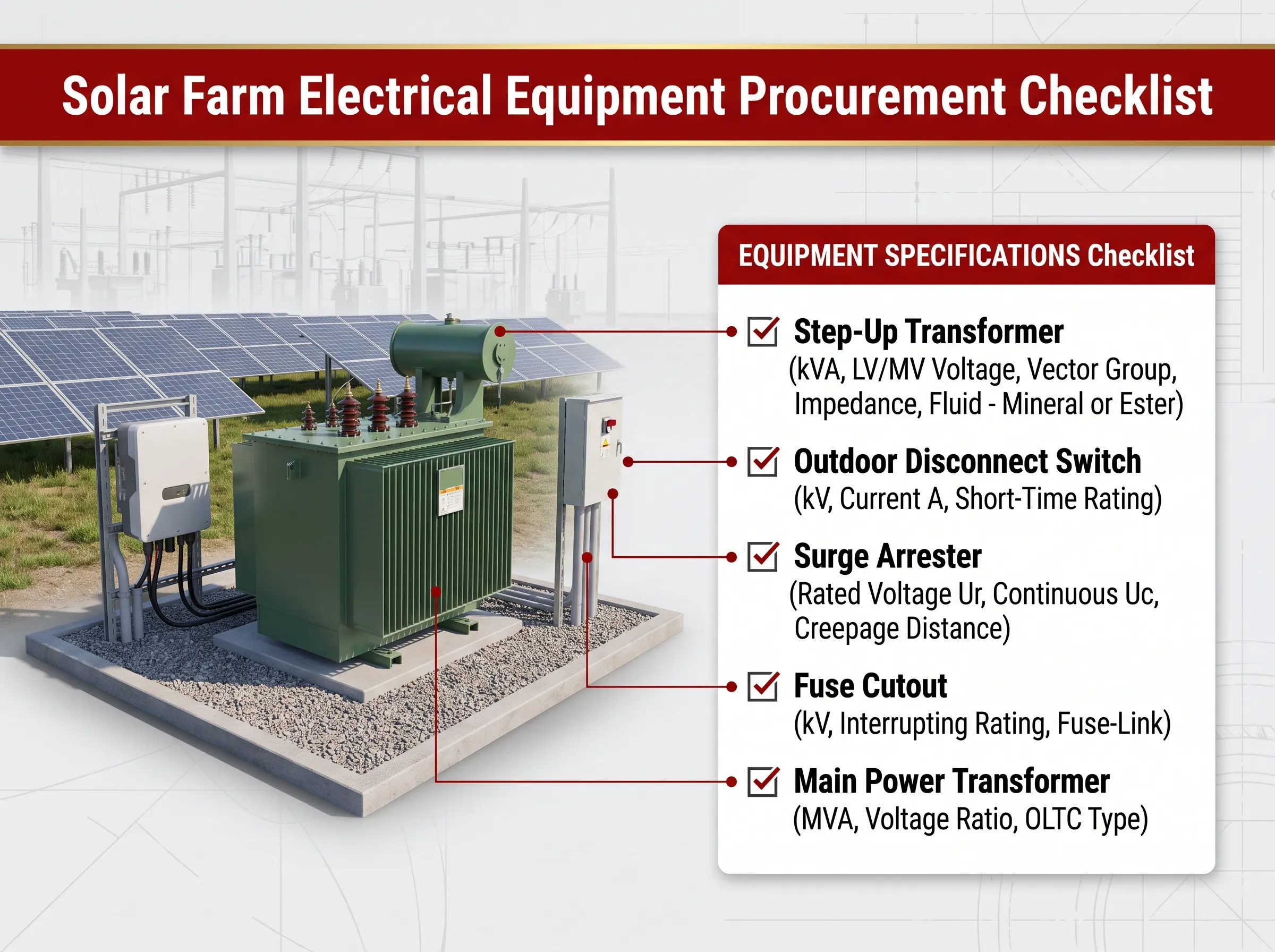
Solar farm electrical equipment specification checklist
When you ask for quotes regarding the medium-voltage and grid-side equipment make sure to include;
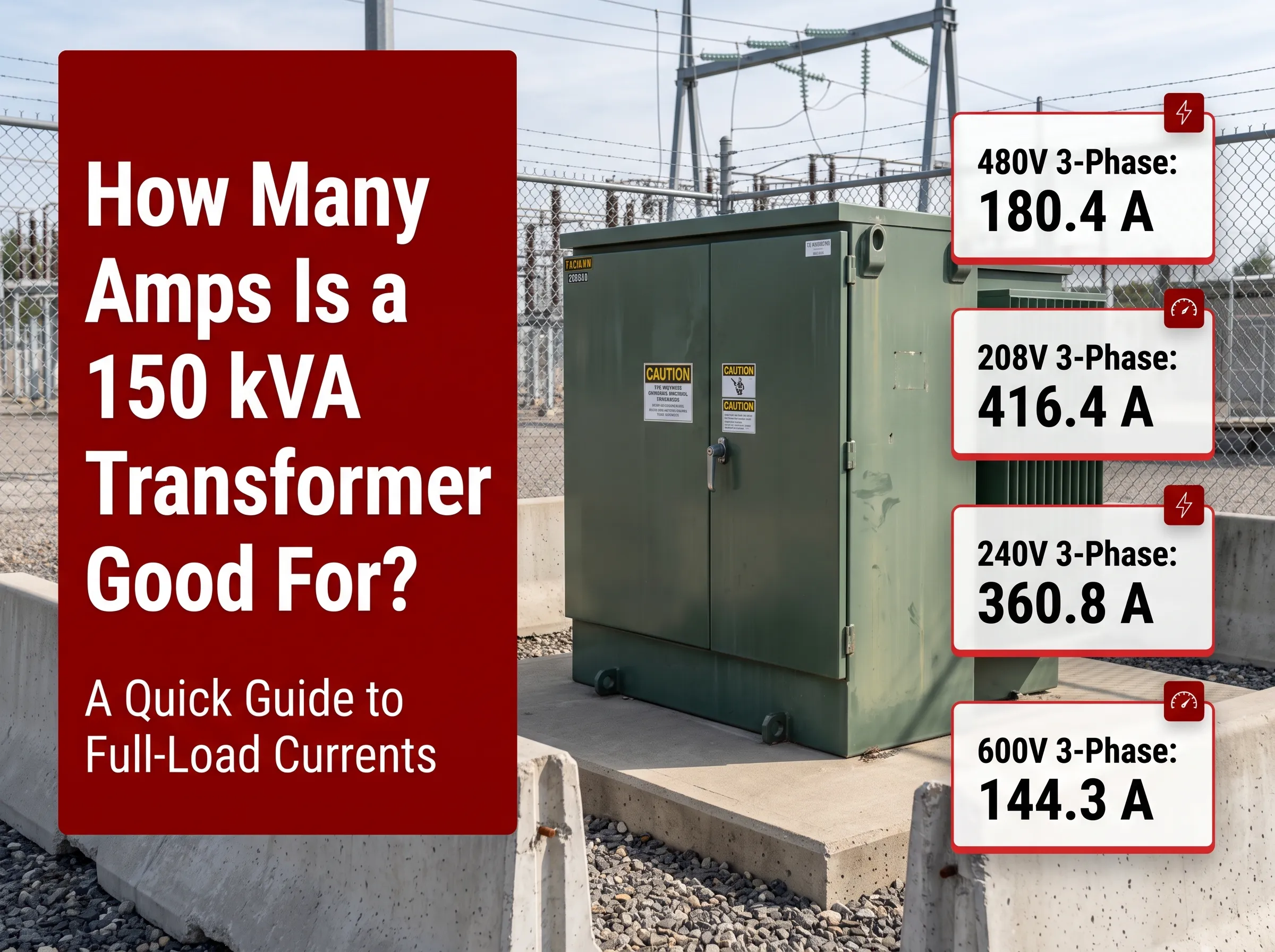
Inverter step-up transformers: rating in kVA according to inverter blocks; low-voltage rated inverter; medium-voltage rating according to the collection system; vector group and the grounding; impedance; cooling and insulating fluid (mineral oil or natural ester); losses and efficiency required; fixed or moveable placement.
Main power transformer: rating in MVA; voltage ratio from the collection voltage to the grid voltage; middle voltage; when loaded tap changer; impedance; type of cooling; generator factors.
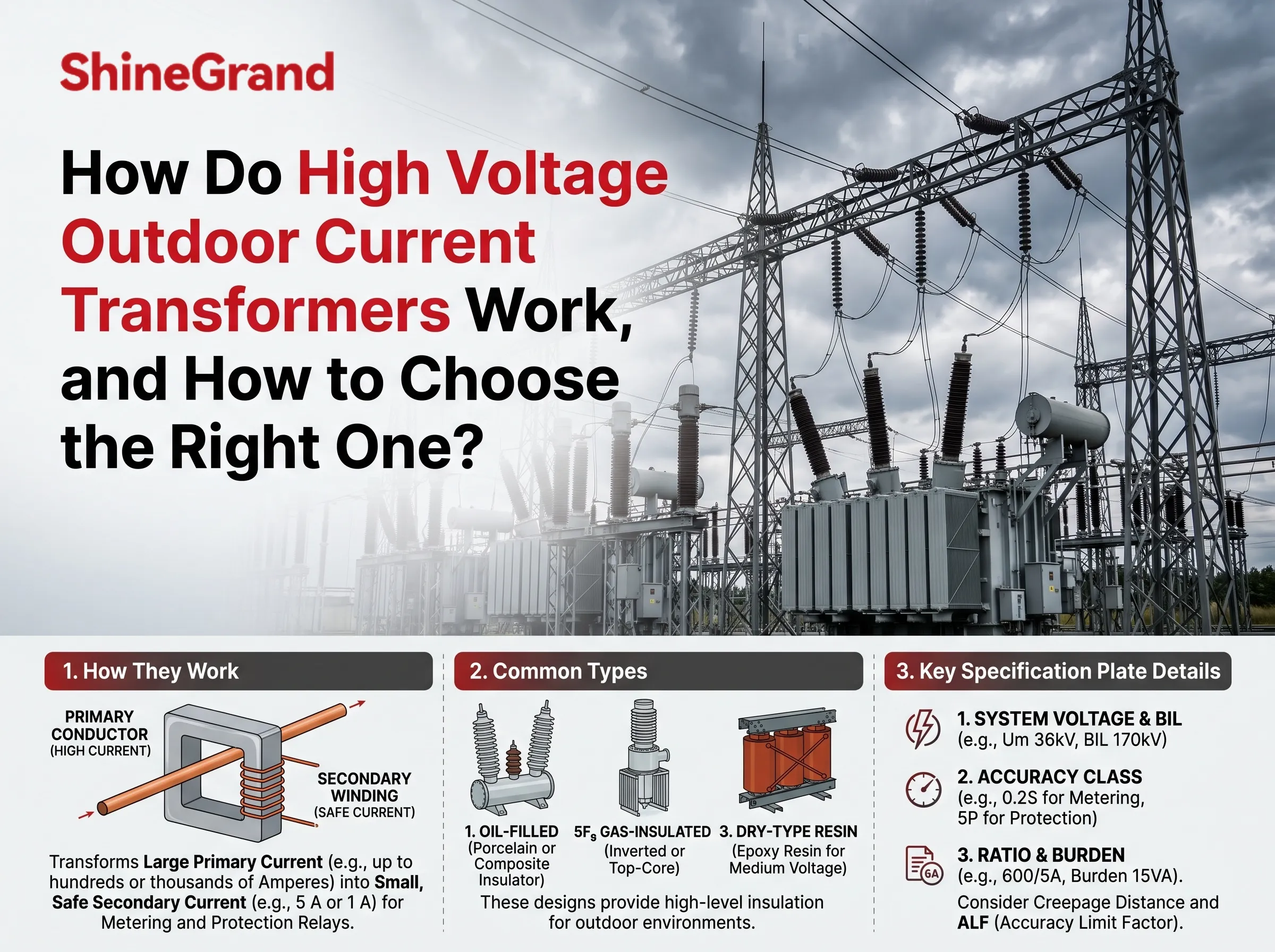
Outdoor disconnects: ratings in volts and amps; breaking capacity; grounding; operation by hand or by motor; placement in the air.
Surge arresters: operational voltage and working voltage; class of discharge; earliness of grounding.
Fuses and fuse holders: rating in volts; breaking capacity.
Cables and devices in the medium voltage devices: rating in voltage and amps.
Site conditions for all devices.
Construction
The construction period often takes from several months for small jobs to over a year for larger ones. It includes site preparation and building roads, piling and erecting the structure, modules installation, wiring both DC and AC, inverter installation, transformer installation, all the required collection systems, substation, and interconnection line.
Step 10: Test, Commission and Begin Operation
Prior to being able to export energy, the plant must undergo inspection and testing. In general, commissioning consists of checking for visual and mechanical defects, performing insulation and continuity tests, transformer and protection relay tests, carrying out inverter commissioning, testing SCADA and communications. The utility usually participates in tests, and it has to approve energization.
When energy is produced, the plant usually performs tests for performance and capacity in order to meet both contract and grid requirements. After passing these tests, the plant moves on to its commercial operation date (COD), whereby it starts earning profits from the PPA. After this, the owner is entering the longest phase of operation of the plant.
How Long Does It Take to Start a Solar Farm?
Timelines vary widely, and anyone researching how to start a solar farm should plan for years, not months. Simple community solar projects with easy permitting and connection to the distribution system can be completed in about two to three years after site selection. When dealing with large transmission-connected projects this process takes around five years or more due to queues and permits. Construction of the facility itself usually represents the shortest period. If you want to start from scratch, you will want to account for the length of time involved and consider anything quicker than that as a bonus.
Where ShineGrand Fits In
ShineGrand Electric does not develop solar farms or provide EPC services. What ShineGrand supplies is the medium-voltage electrical equipment that carries power from the inverters toward the grid, which is part of the procurement package in Step 9. ShineGrand lists renewable energy as a core application area, and its range includes:
- Three-phase pad-mounted transformers for inverter step-up and power collection, with primary voltages up to 35 kV.
- Oil-immersed distribution and power transformers, including 110–132 kV oil-immersed transformers.
- Outdoor disconnect switches, including the GW4-40.5/630 40.5 kV outdoor disconnector for 33–35 kV collection systems.
- Surge arresters and fuse cutouts for overvoltage and transformer protection.
If your project is at the engineering or procurement stage, ShineGrand can review your single-line diagram and equipment specifications and quote matching transformers and protection equipment.
Frequently Asked Questions
How profitable is a solar farm?
Profitability depends on many factors including the energy price, construction costs, financing costs, incentives available, operating costs, and energy produced at the site. A well-sited project, with a solid PPA and reasonable interconnection as well as financing costs can be a reliable source of returns for many decades. A project, on the other hand, with large grid upgrade costs, low power price, or poor solar energy resource may not make returns at all.
How much money can a 100 acre solar farm make?
Usually, a 100-acre land can produce around 15 MW AC of electricity. At around a 25% capacity factor, it equates to generated energy of around 32,850 MWh a year. With power prices of between $30 and $50 per MWh, the estimated annual gross energy revenue may reach $1 million to $1.6 million before the costs of operation, financing, and taxes are subtracted. The actual results may differ depending upon the project location, design, power prices and costs. When leasing land, the landowner would receive lease payments instead of the gross energy revenue.
How much money does 1 acre of solar panels make per year?
It is generally estimated that one acre of large-scale solar has approximately 0.15 to 0.2 MW capacity and generates approximately 300 to 450 MWh per year in many places in the US. At $30 to $50 per MW, this translates to $10,000 to $20,000 in gross revenue per acre per year for the project owner, excluding expenses. The amount paid to the landowner leasing the land can vary, but is usually in the range of several hundred to a few thousand dollars per acre per year.
How expensive is it to start a solar farm?
Latest reports published by the Department of Energy’s Berkeley Lab indicate that the typical costs of utility scale installations in the US is about $1.70 per watt AC, or about $1.7 million per MW AC. Smaller projects typically have higher costs per watt. In addition to construction costs, developers also have to pay for land option fees, studies, permits and interconnection fees during construction, while some projects will incur substantial grid upgrade costs identified in connection studies.
How many acres do you need for a solar farm?
Utility-scale solar installations generally need 5 to 10 acres per megawatt, depending on the performance of the solar panels, the use of trackers and the distance between rows, as well as necessary provisions for roads, inverters, substations and setbacks. For example, a 1 MW solar project will use approximately 5 to 7 acres, while a 100 MW one will need between 500 and 1,000 acres of land.
How long does it take to build a solar farm?
The process of building usually lasts from some months to just over one year. The overall development process, which involves land, interconnection and permitting, usually takes between two and three years for small projects and a minimum of five years for large transmission-connected projects.
Can I put a solar farm on my land?
This may be the case. The main considerations are sun exposure, flat terrain, minimal environmental restrictions, local zoning allowing solar energy and, most importantly, proximity to an existing and ample power line. If you prefer to avoid developing a solar farm yourself, you may think of leasing your land to a solar developer.
References
- US Department of Energy — Large-Scale Solar Siting Research. Factors in siting large solar projects, including interconnection, land, permitting and community impacts.
- US Department of Energy — Siting of Large-Scale Renewable Energy Projects. Resources on siting and community engagement for renewable projects.
- NREL — PVWatts Calculator. Free tool for estimating solar energy production.
- FERC — Improvements to Generator Interconnection Procedures and Agreements. Fact sheet on Order No. 2023 interconnection reforms.
- Berkeley Lab — U.S. Utility-Scale Solar, 2025 Data Update. Installed costs, PPA prices, capacity factors and O&M costs.
- Berkeley Lab — Queued Up: 2026 Edition. Data on US interconnection queues and timelines.
- ShineGrand — How Do Solar Farms Work?. How power travels from solar panels to the grid.
Ready for the Electrical Side of Your Solar Farm?
Knowing how to start a solar farm means managing land, grid access, permits, finance and engineering together, and getting the grid connection right early. When your project reaches engineering and procurement, ShineGrand can supply the step-up transformers, outdoor disconnect switches, surge arresters and fuses that connect your plant safely to the grid. Contact ShineGrand with your single-line diagram or equipment list to request a quotation.