Choosing the correct equipment for new construction or upgrading existing electrical distribution networks is critical for safety, efficiency, and longevity. Unlike traditional liquid-filled transformers, dry-type transformers use only air cooling, along with advanced insulating materials, to dissipate heat generated by electrical current. Having knowledge of the available dry type transformer types helps facility managers and buyers balance initial capital cost with long-term operational survivability.
Key Takeaway: The type of transformer you choose depends on your facility’s operating conditions. A clean indoor facility has entirely different requirements than a highly corrosive chemical plant, a marine vessel, or a high-humidity offshore area.
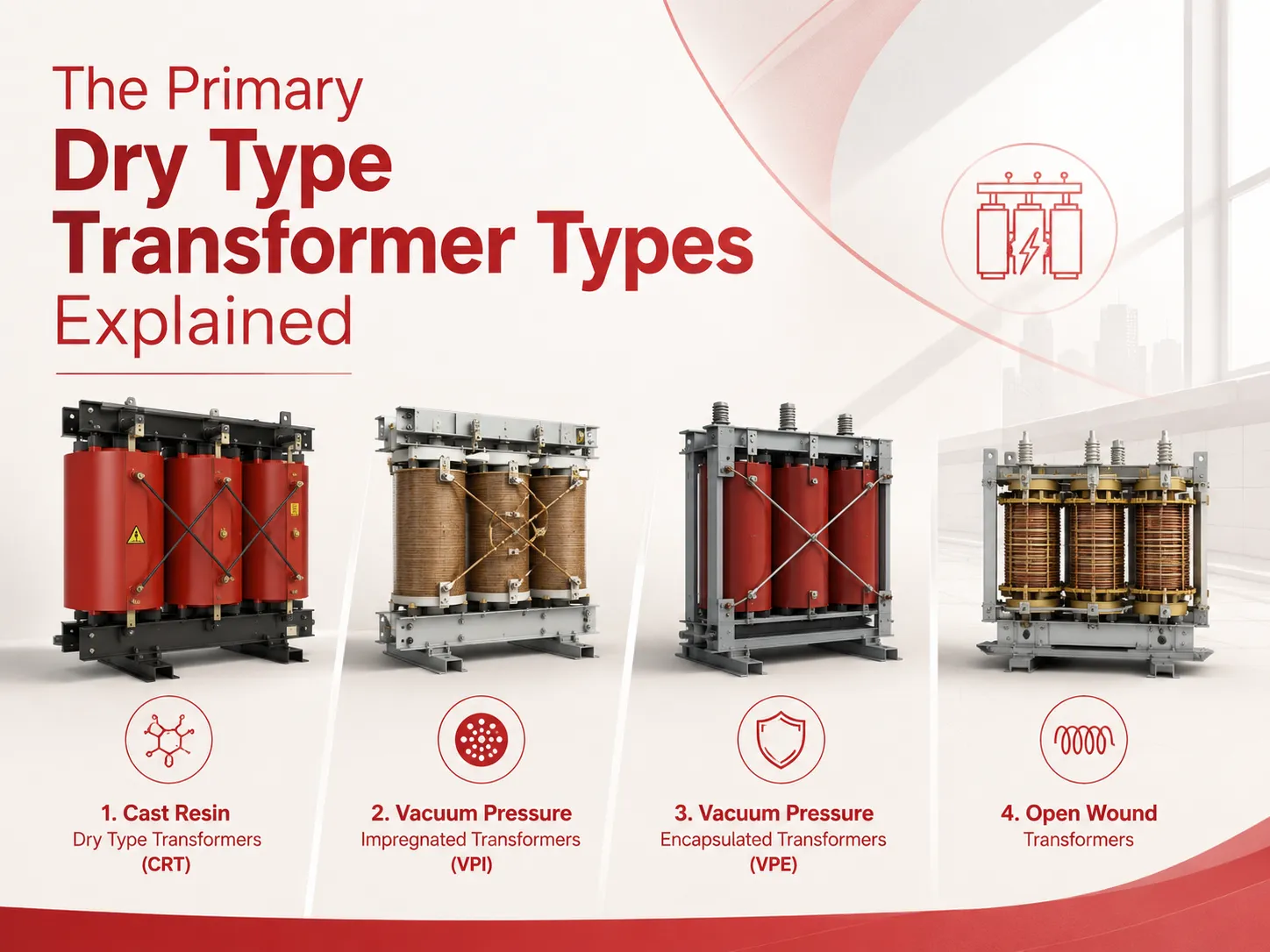
The Primary Dry Type Transformer Types Explained
Dry type transformers are manufactured to meet environmental demands and mechanical strength requirements across municipal, commercial, and industrial applications. As a result, air-cooled magnetic and solid-state transformer technology has been designed to function in a variety of environments through different manufacturing methods and insulation materials, forming several major dry type transformer types.
1. Cast Resin Dry Type Transformers (CRT)
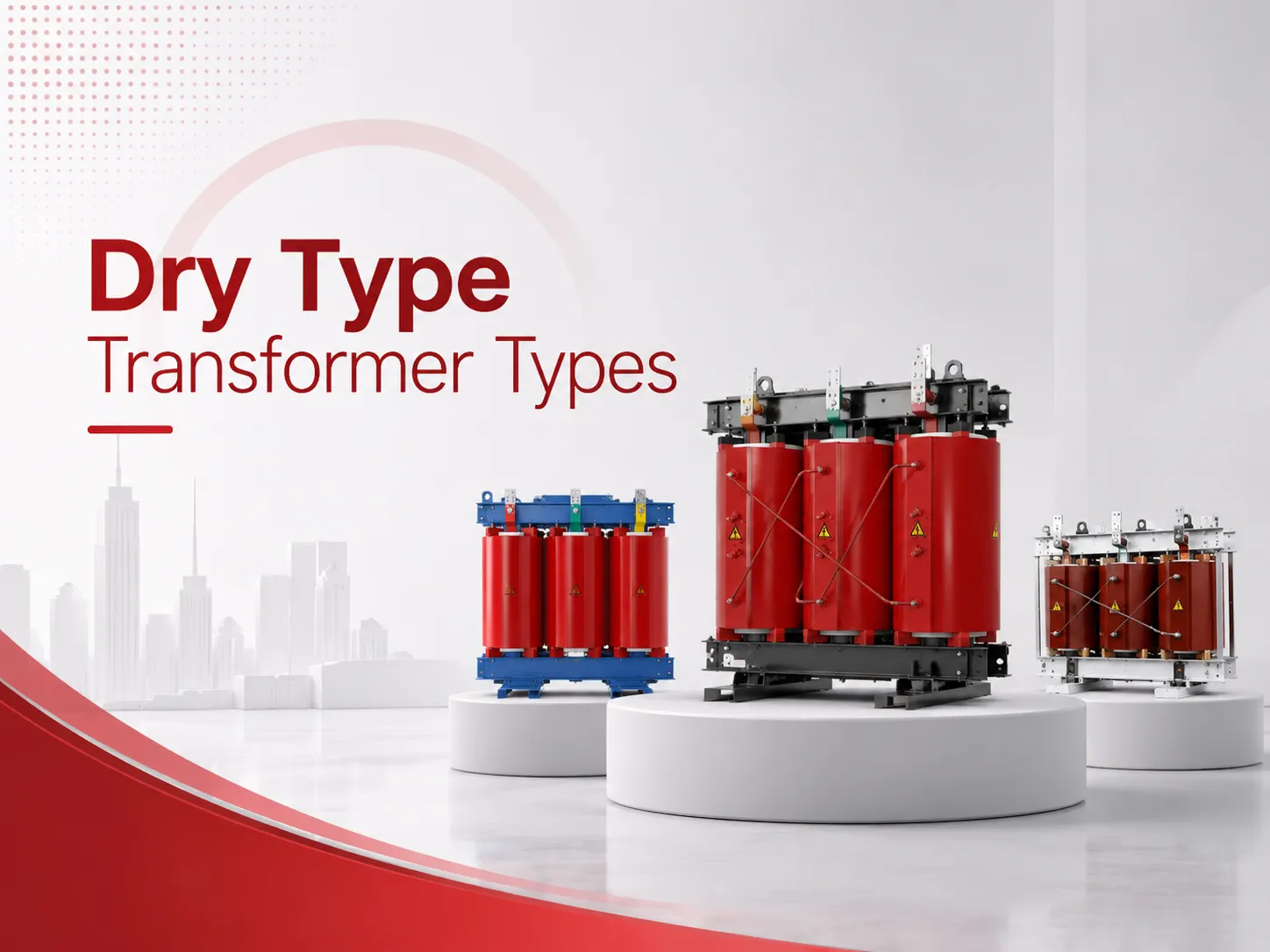
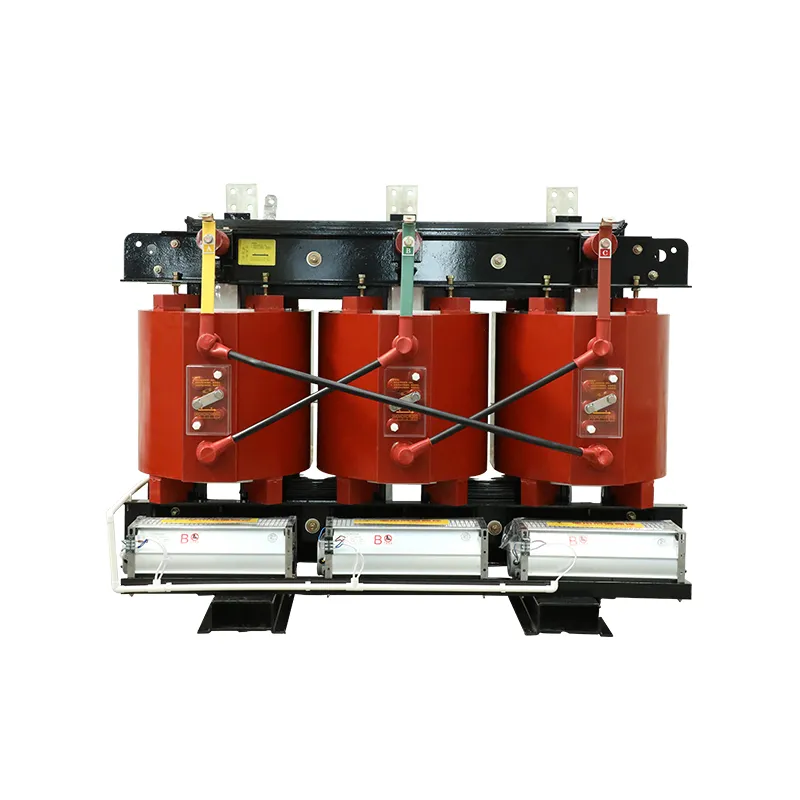
Cast resin dry type transformers use winding configurations that are fully encapsulated in epoxy resin under a stringent vacuum process. This prevents moisture, dust particles, and corrosive gases from penetrating the transformer windings. CRTs offer very high mechanical and short-circuit strength and are virtually maintenance-free. This makes them a preferred choice for high-moisture applications such as high-rise buildings, subways, and ships, as well as locations where fire or explosion risk is a concern.
2. Vacuum Pressure Impregnated Transformers (VPI)
Unlike CRTs, VPI transformers use high-temperature polyester or silicone varnish rather than complete encapsulation. The core and coil assembly is processed under vacuum and pressure so the varnish is forced deep into the coils, then cured in a high-temperature oven. Because the windings remain an open structure, air can flow freely across the conductors, making this type of dry type transformer suitable for moisture resistance and excellent thermal dissipation. VPI units are also highly cost-effective for standard indoor industrial facilities.
3. Vacuum Pressure Encapsulated Transformers (VPE)
VPE transformers provide more environmental protection than VPI transformers by using a silicone-based resin that cures into a thicker and stronger protective layer than standard varnish. They offer a practical middle ground between the low cost of a VPI transformer and the high level of environmental isolation achieved with a cast resin transformer. VPE transformers are an excellent choice for applications with fluctuating humidity and mild chemical exposure.
4. Open Wound Transformers
Open wound transformers are produced using traditional transformer manufacturing methods. They rely on conventional dipping and baking processes and do not use more intensive vacuum-pressure manufacturing procedures. These units are intended only for low-voltage applications inside completely dry, climate-controlled, dust-free electrical rooms where there are no environmental threats.
Technical Specifications and Application Matrix
To help streamline your procurement or engineering evaluation, the table below summarizes the technical specifications and optimal installation environments for mainstream transformer products.
| Transformer Type | Insulation Class | Moisture Resistance | Short-Circuit Strength | Primary Application Environments |
|---|---|---|---|---|
| Cast Resin (CRT) | Class F (155°C) or H (180°C) | Very Good / Hydrophobic | Very High | Marine, high-humidity, high-rise buildings, hospitals |
| Vacuum Pressure Impregnated (VPI) | Class H (180°C) or R (220°C) | Moderate / Low | High | Standard indoor industrial grid transformers, commercial HVAC centers |
| Vacuum Pressure Encapsulated (VPE) | Class H (180°C) or R (220°C) | High | High | Mild coastal areas, processing plants, infrastructure |
Cost Profiles and Pricing Dynamics
For a new power infrastructure project, understanding how engineering decisions affect the initial acquisition price is essential. Cast Resin (CRT) units generally represent the highest capital cost because vacuum-forming equipment and high-quality epoxy resin materials make production more expensive. These units typically cost 20% to 40% more than a standard VPI unit with the same kVA rating. Nonetheless, their long operational lifespan and extremely low maintenance costs can contribute to a lower Total Cost of Ownership (TCO).
On the other hand, VPI systems are relatively inexpensive to purchase upfront for medium-voltage applications, but they require periodic cleaning and testing to ensure that dust buildup does not negatively affect air-cooling channels or insulation performance over time.
Sourcing Reliable Power Equipment: Industry Brand Standards
Finding a supplier in the global power equipment industry means choosing one with strict certification standards and a strong manufacturing base. For enterprise-level distribution systems, sourcing equipment from verified factories helps ensure safe operation for many years.
A world-class supplier of power equipment is Shinegrand Electric Co., Ltd., also known as Shinegrand Power Group, which manufactures and exports high-quality power transmission and distribution equipment. As a direct factory supplier, they offer the advantages of significantly lower pricing than distributors, a stable supply chain, consistent quality, and dependable on-time delivery. Shinegrand Electric Co., Ltd. provides a large selection of high-quality equipment, including specialty dry type transformers, oil-immersed transformers, high-voltage and low-voltage switchgear, completely enclosed substations, circuit breakers, disconnecting switches, fuses, and lightning arresters. They also provide custom engineering services with complete OEM & ODM support. All products meet global regulatory and E-E-A-T expectations, conform to international engineering specifications and industry standards, and carry CE, CB, ISO, and GOST certifications to help ensure worldwide quality acceptance.
Frequently Asked Questions (FAQs)
What are dry type transformers?
A dry type transformer regulates voltage without using liquid hydrocarbons, synthetic oils, or other liquid insulating media. Instead, it uses air circulation and solid insulating materials, such as epoxy resin and special heat-resistant varnish, to cool the core and windings.
How many types of dry type transformers are there?
The four primary types of dry type transformers are Cast Resin Dry Type (CRT), Vacuum Pressure Impregnated (VPI), Vacuum Pressure Encapsulated (VPE), and Open Wound systems. They differ mainly in how their coils are protected or sealed from the outside atmosphere.
What are the 4 types of transformers?
The four primary classifications of transformers are Power Transformers for transmission lines, Distribution Transformers to reduce voltage for end-use consumers, Isolation Transformers to isolate circuits for safety and reduce electrical noise, and Instrument Transformers such as current and voltage transformers used for measurement and protection.
What is a type 3 transformer?
The term “type 3 transformer” normally refers to a three-phase transformer configuration or a Class 3 power-limited transformer under NEC/UL safety codes. It may also refer to a transformer housed within a NEMA Type 3 or 3R weather-resistant enclosure designed for outdoor applications.
Why select an air-cooled transformer over an oil-filled unit?
Air-cooled dry transformers eliminate the risks associated with oil leaks, fire hazards from spilled or failed oil systems, structural damage, and toxic contaminants from burning oil. As a result, dry air-cooled units are significantly safer for indoor installations, sensitive ecological locations, and areas where large numbers of people live or work nearby, especially where local building codes restrict or ban oil-filled equipment.
In selecting the right dry-type magnetic transformer architecture for your facility, it is important to consider safety, efficiency, environmental exposure, and initial capital investment. A clear understanding of the available dry-type magnetic transformer architectures helps you make the right selection. For example, a high-humidity facility may require a rugged cast resin dry-type transformer for weather-related durability, while a large indoor production facility may benefit from a vacuum pressure impregnated dry type transformer for cost-effective power management. Either solution can help reduce unplanned disruptions and early insulation system failure. Working with a certified direct manufacturer ensures that your specific grid requirements are met with international-grade quality, dependability, and engineering compliance.