
Overview of the Submersible Transformer Series
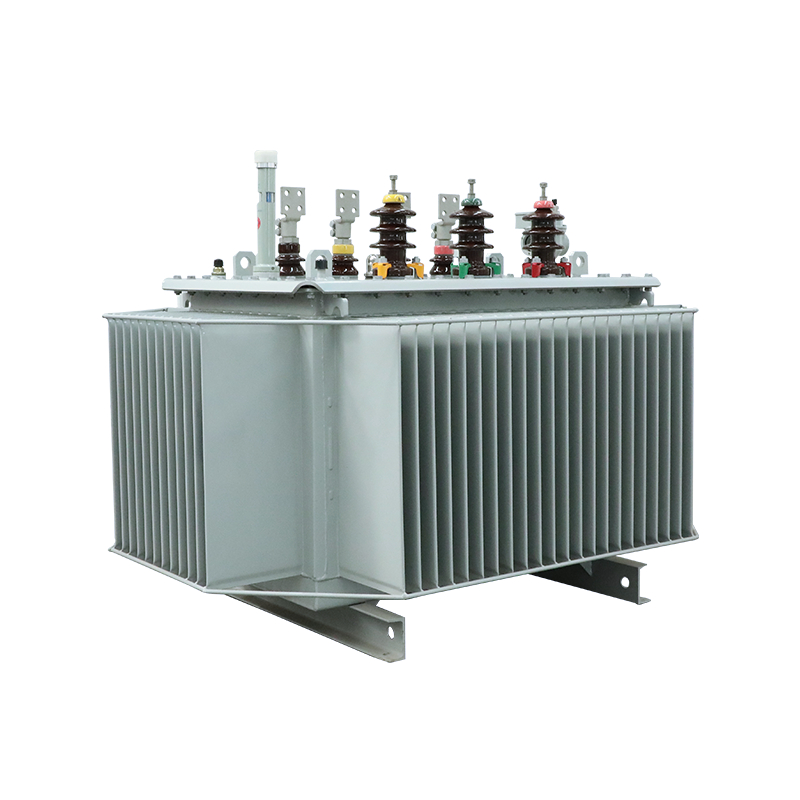
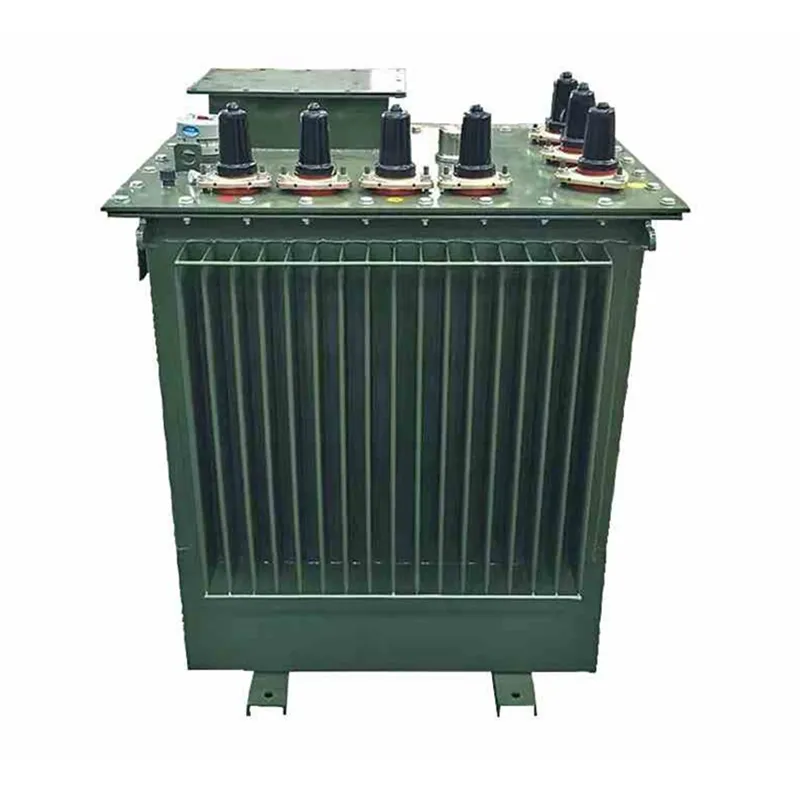
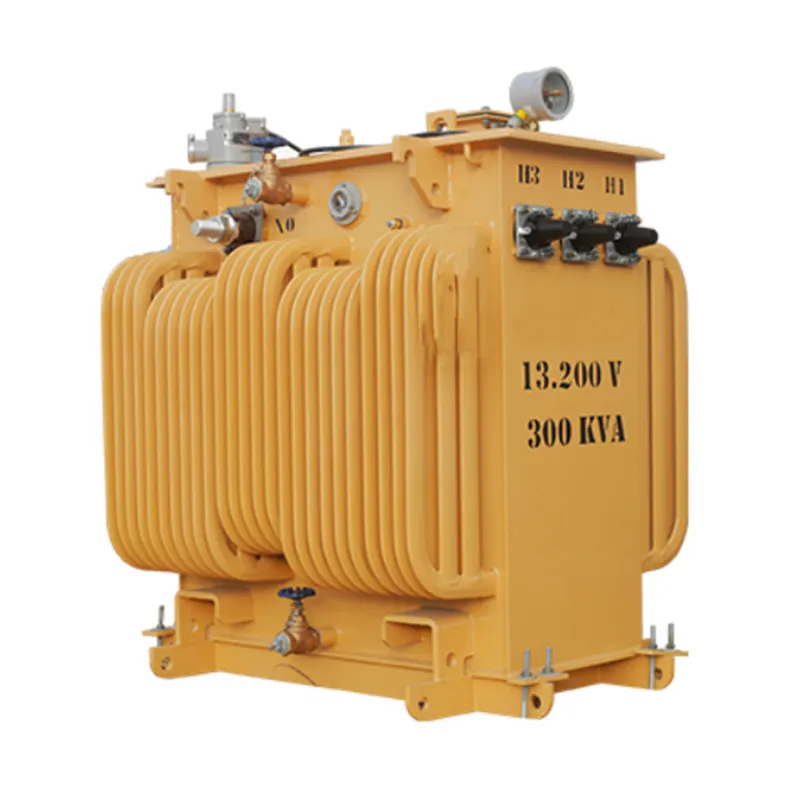
The Submersible Transformer Series is a power distribution unit that is completely sealed and designed to operate under continuous submersion or in conditions with constant moisture. Unlike standard power distribution transformers, which often fail in wet conditions, this submersible distribution transformer features a high-strength waterproof enclosure that protects internal components from water, humidity, and other contaminants. This design makes it suitable for safe and reliable electricity delivery under water, whether on the ocean floor, offshore platforms, or in wastewater treatment plants.
Designed to endure harsh underwater conditions, this transformer withstands water pressure, resists corrosion, and eliminates the need for additional protective housings. Its sealed structure prevents water ingress, reduces maintenance frequency, and extends the lifespan of the transformer—making it an effective long-term solution for marine, coastal, and industrial applications in wet environments.
- Completely sealed housing allows for direct submersion and operation in flooded vaults or deep-water locations.
- Available in both single-phase and three-phase configurations.
- Corrosion-resistant materials and robust insulation make it suitable for saltwater and chemically intensive environments.
- Eliminates the need for external dry enclosures or pump systems, simplifying installation.
Benefits and Key Advantages of Submersible Transformers
Protection against Water and Contaminants
The high-strength sealed tank prevents water, humidity, and contaminants from entering, ensuring safe operation even when fully submerged without auxiliary enclosures.
Continuous Underwater Operation
Engineered for uninterrupted power delivery even when submerged, ensuring reliable functionality for submarine cables and other offshore applications.
Versatility in Wet Environments
Adapts to seawater, wastewater, and chemically treated water, making it ideal for desalination plants, treatment facilities, and flood-prone areas.
High Durability
Corrosion-resistant materials and pressure-tolerant construction extend longevity, minimize replacements, and reduce total ownership costs.
Simplified Installation
No need for external dry vaults or protective structures. Place, connect, and submerge for significant time and labor savings.
Low Maintenance Design
Sealed against water ingress, the unit requires minimal inspection or servicing even in hard-to-reach submerged installations.
Uses & Industries
Submarine Cable Systems
Used on the seabed to transmit power to islands, offshore installations, and underwater observatories.
Offshore Platforms
Reliable power solution for oil and gas platforms, wind farms, and marine research stations exposed to water spray and waves.
Wastewater Treatment
Continuous operation in chemical-laden and high-humidity environments makes it ideal for treatment plants and pumping stations.
Flood-Prone & Coastal Sites
Supplies dependable electricity in areas susceptible to seasonal flooding, high water tables, or storm surges where standard transformers fail.
Technical Data & Components
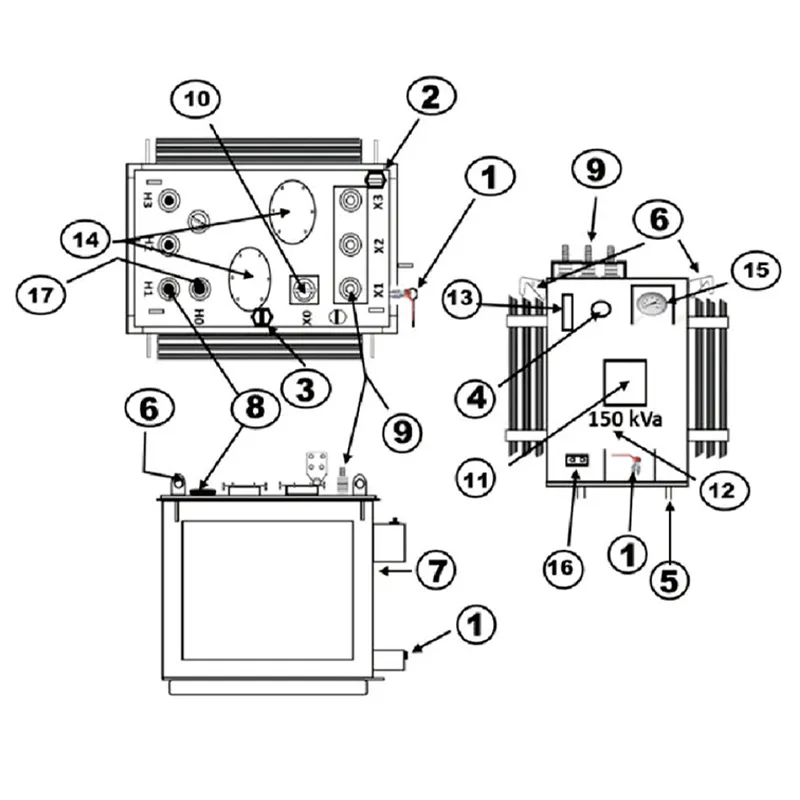
Standard configuration for submersible transformers. Detailed diagrams available upon request.
| Item | Accessories |
|---|---|
| 1 | Drain Valve |
| 2 | Connection for Oil Filling |
| 3 | Primary Voltage Switch |
| 4 | Pressure Test Valve |
| 5 | Transformer Base |
| 6 | Lugs for Lifting the Transformer |
| 7 | Tank |
| 8 | HV Terminals |
| 9 | LV Terminals |
| 10 | LV Neutral Terminal |
| 11 | Nameplate of Characteristics |
| 12 | Rated Capacity Indicated on the Tank |
| 13 | Oil Level Indicator |
| 14 | Inspection Hatch |
| 15 | Temperature Indicator |
| 16 | Tank Grounding Connection |
| 17 | HV Neutral Terminal |
Contact us for submersible transformer specifications, depth ratings, and tailored proposals.
Why Buy Our Submersible Transformer
Proven Underwater Reliability
Each unit is tested under submersion and high-pressure conditions to ensure performance before being shipped.
Certified Quality
Manufactured under ISO 9001 standards with full testing as per IEC 60076 for insulation, efficiency, and durability.
Cost-Effective
Direct factory supply ensures competitive pricing for bulk marine and infrastructure projects.
Quick Delivery
Standard models ship within 4–6 weeks, with expedited options available for urgent needs.
Certifications & Standards
ISO 9001
IP68 Rated
IEEE C57.12.35
CE
How This Submersible Transformer Fits Your Project
A practical guide for engineers, contractors, and planners to select the right submersible transformers for their projects.
Project Applications
For Submarine Cable Networks, the transformer sits on the seabed to step down transmission voltage for powering underwater equipment. On Offshore Platforms, it provides power even in highly humid or spray-exposed environments. At Wastewater Treatment Facilities, the sealed unit ensures consistent operation in persistently humid and corrosive conditions.
Single Phase vs. Three Phase Options
We provide single-phase units for light loads and three-phase models for high-demand marine and industrial systems. Choose three-phase transformers for heavy machinery; single-phase works well for navigation aids and small-scale equipment.
Installation & Maintenance Considerations
With its sealed construction, the transformer does not require dry vaults, saving costs. Ensure the site meets depth and pressure requirements. Post-installation maintenance involves simple routine inspections of connections and oil levels.
Frequently Asked Questions
What is a submersible transformer?
A submersible transformer is a fully sealed electrical transformer designed to operate while completely submerged in water. It is used in underwater, offshore, and high-moisture environments where conventional transformers would fail due to water ingress.
What are the three types of transformers?
By construction and application, the three common types are: 1) Liquid-filled transformers (including submersible and pad-mounted units), 2) Dry-type transformers, and 3) Cast resin transformers. The submersible transformer falls under liquid-filled, sealed designs optimized for wet conditions.
Can transformers be submerged in water?
Standard transformers cannot. However, a submersible transformer is specifically built with a sealed tank, waterproof bushings, and corrosion-resistant materials, enabling it to operate safely underwater or in flooded vaults for extended periods.
What is the 80% rule for transformers?
The 80% rule suggests a transformer should not be loaded continuously beyond 80% of its nameplate kVA rating to avoid overheating and prolong insulation life. It is a design and installation best practice, not a strict code requirement, based on NEC continuous load principles.